
Search

SealBoss News / Blog

Leaky Basement Repair

Leaky Basement Repair

Leaking Basement Repair Injection System

Home Leak Repair 

Introduction

Water damage in a basement can harm your home’s value and safety. Leaks lead to mold, pests, and structural issues. SealBoss Leak Sealing Foam injection is an effective solution, sealing cracks and joints to create a watertight barrier. This article details a case study using this method to permanently fix basement leaks, offering a reliable approach for homeowners and contractors.

How to Fix a Leaky Basement

Water damage is a serious issue that can have devastating effects on your home. Not only does it decrease the value and livability of your property, but it can also compromise the structural integrity of your home. A leaky, damp basement is particularly concerning, as it creates a breeding ground for harmful mold and bacteria that can cause health issues for you and your family.

In addition, a damp basement can attract pests such as termites and rodents, causing further damage and infestations. It’s crucial to address any water damage in your basement as soon as possible to avoid these issues and prevent them from escalating. With the right tools and procedures, you can successfully mitigate basement leaks and protect your home from further damage.

Cracks and Cold Joints are Known Areas for Basement Leaks to Occur

Unsealed cracks and cold joints in your basement, or any below grade spaces, can be a major source of water damage, as they provide an easy pathway for water to enter your home. This can result in flooding, which not only damages your belongings but also compromises the structural integrity of your home. In addition to damaging walls, coverings, furniture, and storage items, water can also cause electrical hazards and increase the risk of fires.

Common Causes for Concrete Foundation Leaks and Wall Cracks

Concrete wall cracks, especially in basements, can be caused by a variety of factors that compromise the integrity of the structure and allow water intrusion. Here are some common causes:

  • Inadequate Construction
    – Insufficient Material Quality: Using substandard materials or improper mixing ratios can weaken the concrete, making it more prone to cracking.
    – Poor Waterproofing: In new homes, improper waterproofing techniques can lead to leaks and cracks.
  • Deteriorating and Stressed Concrete
    – General Wear and Tear: Over years, concrete naturally deteriorates due to environmental factors, resulting in the formation of cracks.
    – Thermal Expansion and Contraction: Exposure to repeated cycles of heating and cooling causes concrete to expand and contract, leading to cracks over time.
  • Soil Related Problems
    – Low Compaction and Consolidation: Inadequately compacted soil beneath the foundation can shift, leading to structural instability.
    – Erosion: Water erosion can wash away the soil supporting the foundation, causing it to settle unevenly and crack.
    – Freeze/Thaw Cycles: Water in the soil can freeze and expand during cold weather, then thaw and contract in warmer conditions. This cycle exerts pressure on the foundation, causing it to crack.

How do I Stop my Basement from Leaking?

There are many methods to mitigate basement leaks. The construction of the basement and environmental factors have to be considered when choosing the right products and procedures, and it is always advised to consult a professional in the process.

One solution that has been successfully used for over thirty years is the SealBoss Leak Sealing Foam injection system. This system seals leaking basement cracks and cold joints by injecting a foam that expands to fill and seal the gaps, creating a watertight barrier. This method is effective, long-lasting, and cost-efficient, making it a popular choice for homeowners and contractors alike.

Leaky Basement Repair – Joint and Void Filling Injection

Scope

A homeowner faced persistent basement leakage through cold joints where the wall meets the floor.

Previous repair attempts by a contractor using crystalline products and epoxy coatings had failed, resulting in water pooling on the floor after heavy rains.

In search of a permanent solution, the homeowner sought to prevent further water intrusion into the basement.

Leaky Basement Repair – Detail

A SealBoss technical representative was called to provide expertise on sealing the basement leaks.

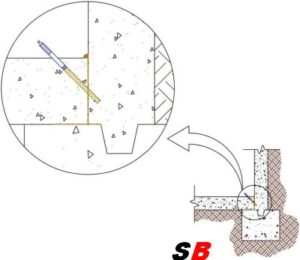
Upon careful examination of the job site, it was discovered that the basement floor was approximately 8 inches thick and was poured slightly deeper towards the walls. The source of the leakage was identified as the cold joint between the wall and the poured slab.

Repair System

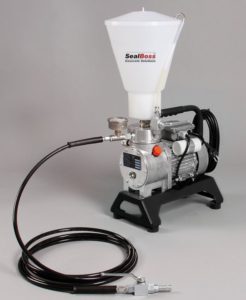
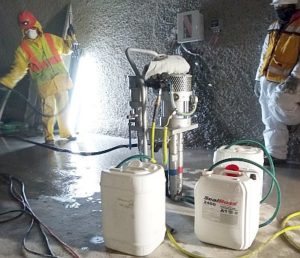
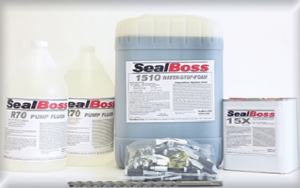
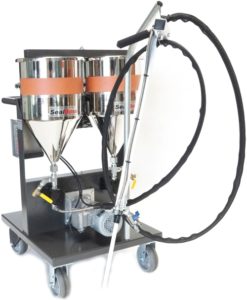
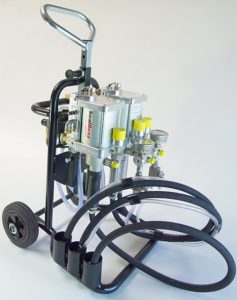
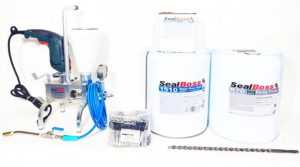
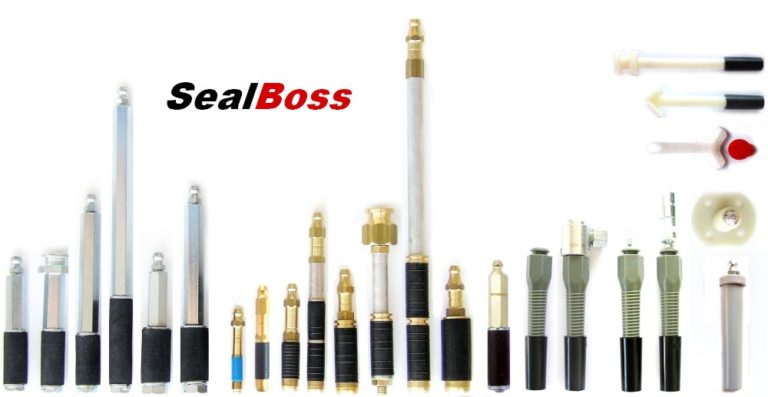
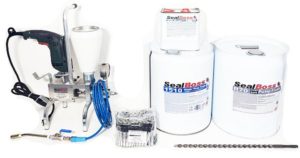
SealBoss 1510 Water Stop Foam was chosen as the preferred leak sealing injection product to provide a permanent solution. The product would be injected through SealBoss injection packers using the SealBoss P2002 injection machine, a compact, lightweight, and quiet pump ideal for this application.

Procedure

1. Drilling the Slab

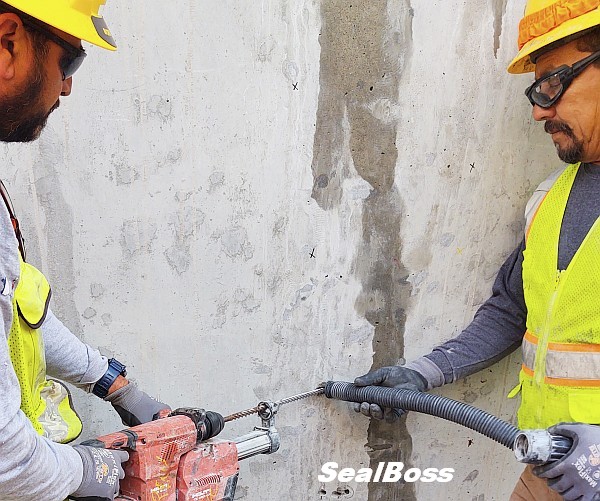
  • The slab was drilled with half-inch holes spaced one foot apart, parallel to the wall, and ten inches from the wall.
  • The holes were drilled at a 90-degree angle and full depth into the slab.
  • After drilling each hole, the presence of heavy substrate saturation along the wall was confirmed by water filling the hole, indicating a void beneath the slab that needed to be filled with foam during the injection process.


2. Setting the Packers

    • Once all the holes were drilled, packers were placed at half depth and only hand-tightened for easy removal during injection.
    • The injection process began on the side closest to the crawl space’s stub foundation wall.
    • The first packer was loosened, placed at full depth, and retightened, while the next packer in line was removed to allow for a path of less resistance for any displaced water or soil to escape from below and provided visibility for material travel.


3. Injection Process:

    • Each packer was injected until catalyzed foam was observed coming out of the adjacent hole.
    • The packer was reinjected a second or third time until refusal or sufficient pressure buildup.


Leaky Basement Repair


Leaky Basement Repair – Conclusion

This combined joint injection and void filling injection procedure proved to be the most effective method for sealing the basement leaks 

efficiently and permanently. The use of SealBoss 1510 Water Stop Foam, along with precise drilling and injection techniques, ensured that the cold joints and voids were thoroughly sealed, providing a lasting solution to prevent water intrusion.

Additional Tips for Homeowners and Contractors

  • Regular Inspection:
    Periodically inspect basements, especially after heavy rains, to detect early signs of leakage.
  • Proper Drainage:
    Ensure proper exterior drainage systems, such as gutters and downspouts, are in place to divert water away from the foundation.
  • Professional Consultation:
    Consult with experienced professionals for thorough assessments and tailored solutions for basement waterproofing.

By following these steps and employing advanced sealing techniques, homeowners and contractors can effectively address and prevent basement leakage, ensuring a dry and secure living space.

Materials and Tools Used

Leaky Basement Repair Related Articles

Learn More

Feel free to contact us at 714-662-4445 if you have any inquiries, or simply fill out our request form for us to get back to you. Our team is eager to assist you in finding the right solution for your needs. In addition, we offer on-site support from our expert and experienced technical representatives, which can be arranged upon request.
Contact Your SealBoss ® Technician

Culvert Repair – Leak Sealing Injection

Introduction

Culverts are essential infrastructure components that facilitate water flow beneath roads and railways, preventing flooding and erosion. However, leaks and structural damage can compromise their functionality, posing environmental and infrastructural risks. Learn how innovative repair systems, employing injection techniques and grouting methods to seal leaks and stabilize surrounding soil, can be utilized to repair culverts economically and effectively.

This quick guide explores the significance of maintaining culvert integrity through advanced repair solutions, highlighting the importance of addressing leaks and cracks to ensure the longevity and reliability of these underground waterways.

What exactly is a Culvert?

Functioning like underground tunnels, culverts are subterranean waterways, enabling the movement of water from one side of a roadway or another type of traffic embankment to the other side.

From an aerial view, a culvert might be also likened to a bridge, purposefully crafted to enable the transit of vehicles or pedestrian traffic over a water passage.

Various materials can be employed to construct culverts, such as corrugated steel pipe, reinforced concrete, or other suitable materials.

SealBoss Culvert Repair Systems

SealBoss delivers comprehensive solutions for the rehabilitation and leak repair of culverts, effectively sealing water seepage through cracks and joints.

Moreover, the SealBoss Culvert Repair Injection Systems are designed to fill any existing voids in the soil that surrounds the culvert and to stabilize any loose soil that may impair the traffic embankment above it. This is accomplished using permeation grouting techniques, which make use of low viscosity polymer foam resin, grout injection lances and appropriate pumping equipment.

With our repair systems the service life of a culvert structure can be extended at reasonable cost.

Culvert Damages and Inspections

Culverts, also known as storm culverts, are tunnel-like structures designed to enable water to flow beneath obstructions such as roads, railways, or trails. Typically enveloped by soil, these culverts, when compromised by leaks, can contribute to soil erosion and the formation of sinkholes, thereby potentially damaging the overlying structures.

SealBoss presents a range of cost-effective solutions for repairing culvert leaks and stabilizing soil permeation. These systems are designed to effectively address water leakage through cracks and cold joints, as well as the accompanying issues of soil erosion.

Failure to address deteriorating and leaking culverts can result in significant, potentially dramatic damage and risk to both the environment and infrastructural elements.

Culvert Repair using Injection Grout – 
Applicable to Precast Pipe, Reinforced Concrete and other Material Culverts

SealBoss Injection Systems offer a versatile solution, suitable for culverts constructed from various materials.

Depending on the design and job site conditions, hydro-active grouts can be either directly injected into the concrete structure to seal cracks and voids, or introduced into the soil behind the structure. The latter method creates a waterproof curtain, fills voids, and permeates the soil to achieve stabilization and compaction.

Culvert Leak Repair from the Inside of the Structure

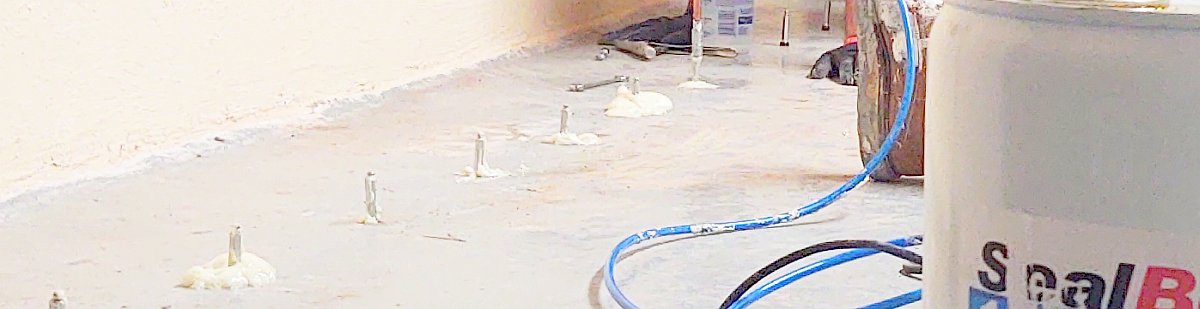
  • Crack & Joint Repair in Thick Concrete Culvert Structures – Drill into the structure in an angle
  • Curtain Injection / Soil Permeation – Drill through the structure to the outside of the culvert to fill the void and crate a curtain behind the structure
  • Set Injection Packers
  • For Soil Permeation Grouting use Injection Lances
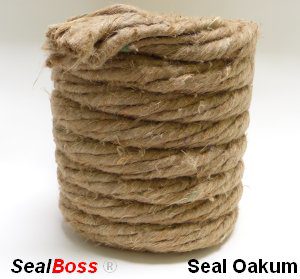
  • Repair wide pipe penetrations with Seal-Oakum prior to injection
  • Start injection at the bottom if applicable
  • SealBoss Seal-Oakum /  Oakum Soakum Technique
    Always have SealBoss Seal-Oakum at the jobsite to plug larger voids and joints. The Oakum Soakum Technique explained here.

Culvert Leak Repair from the Outside  

  • If inaccessible, inspect culvert using survey camera equipment for leaks and damages
  • Map out and mark injection locations on the accessible structure above the culvert
  • Set Injection Lances to specification
  • Start injection to specification

SealBoss Culvert Repair System Training

We offer in-depth training on the application of high-pressure polyurethane water stop foam injection, using various SealBoss tools such as Injection Pumps, Hydro-Active Grout Systems, Injection Packers, Injection Lances, and Seal-Oakum.

A technical specialist from SealBoss will be present on-site to provide training and assistance to the contractor, with the ultimate aim of creating a work crew that feels confident and at ease with the application process.

The training will cover the use of pumps, setting up packers, and the injection procedure, including cleanup activities. Contractors will also be taught how to apply the catalyzed resin-soaked SealBoss Seal-Oakum.

Should you have any queries regarding culvert repair, feel free to reach out to our team of skilled SealBoss representatives. We can schedule an on-site consultation and provide comprehensive training on our injection systems.

Contact Your SealBoss ® Technician

Aquarium Leak Sealing Repair

Aquarium Leak Sealing Repair

Marine Aquarium Repair & Training
NSF/ANSI 61 Certified Water Stop

Protect Aquatic Life

The Importance of NSF Approval for Aquarium Leak Sealing Repair

NSF (National Sanitation Foundation) drinking water contact certification is crucial for polyurethane grouts used in aquariums. NSF/ANSI 61-5 standards specifically address materials in contact with drinking water, requiring rigorous safety testing and quality assessments.

Manufacturers of NSF-approved products undergo thorough testing and facility inspections to ensure their products are safe when in contact with drinking water. This certification is vital for public aquariums, as it ensures the safety and quality of the water, protecting aquatic life and the well-being of marine organisms.

Aquarium Leak Repair System

SealBoss Leak Repair System Delivery to Texas and Field Service

A 68 foot-long acrylic window- the longest in North America – provides a clear view of the marine life. For those wishing to spend time in an extraordinary place, a promising unforgettable experience awaits.

The idea for the Texas State Aquarium was conceptualized by its founders early on to focus on the species in the Gulf of Mexico and the Caribbean Sea.

The Caribbean Journey doubles the size of the aquarium and provides homes to an exciting collection of sea and land creatures.

It is here that you can break into the mesmerizing secrets of the underwater and jungle world. Gather your courage and dive below the waves to get a closer look, but keep your eyes open and your wits about you, for you’re now in the home territory of the reef shark.

Aquarium Leak Sealing Repair Challenges

Product Compatibility and Durability

Public aquariums, rely heavily on the compatibility of materials used in their construction. maintenance, and repair. Polyurethane injection grouts, a popular choice for sealing water leaks, must harmonize with a variety of materials like acrylic, glass, and specialized sealants to maintain the integrity of these exhibits.

The relationship between the chemical grouts and existing construction materials is crucial for sustaining the meticulously crafted habitats. Skilled and well trained contractors play a vital role in this process, applying grouts with precision to protect the structures and achieve the set goals of the needed repairs.

The durability of polyurethane grout leak sealing materials is a critical factor for aquarium managers, influencing maintenance planning and resource allocation. These grouts offer long-lasting seals, reducing maintenance efforts and costs, and allowing for extended maintenance cycles. Product quality, ease of application and equipment reliabilty minimize exhibit downtime, important factors for public aquariums where visitor engagement and revenue are at stake. Seal longevity and reliable repair methods are a strategic element in maintaining the sustainability and uninterrupted operation of public aquariums.

Enhancing Aquarium Maintenance with SealBoss Leak Repair Solutions

SealBoss Aquarium Leak Repair Systems, Training, and Support

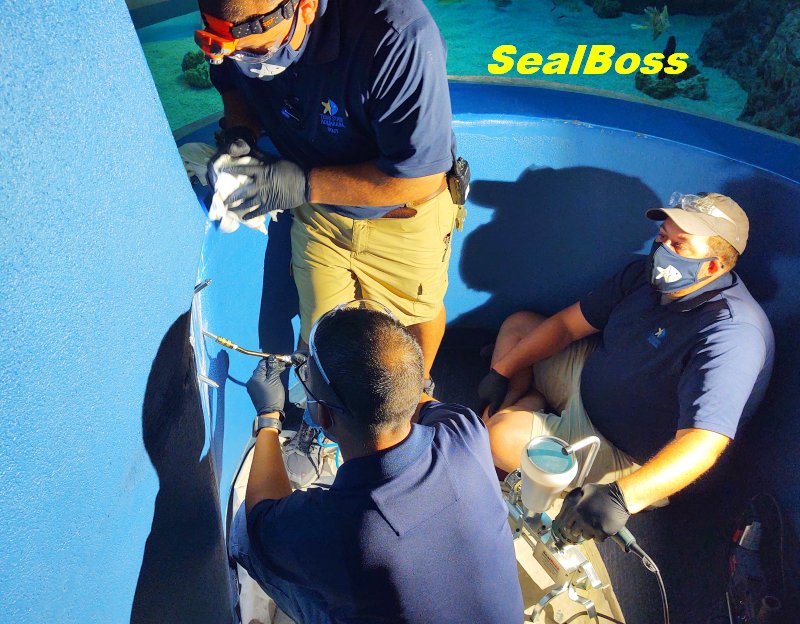
Recently, the SealBoss technical team made a significant impact at the State Aquarium in Corpus Christi by addressing persistent leaks in their large saltwater tanks. These leaks, which had previously eluded repair by other contractors, were successfully tackled by a SealBoss technician who provided hands-on training in leak-seal and water stop crack injection techniques.

Utilizing the NSF Drinking Water Contact Certified SealBoss Water Stop Foam and the P2002 Professional Injection Pump, the SealBoss expert equipped the aquarium’s maintenance team with the skills and knowledge needed for effective, ongoing leak management. This training ensures that the team can handle future leak-seal challenges confidently and efficiently.

SealBoss systems are designed not just for one-time fixes but for empowering maintenance crews with the tools and techniques for lasting leak prevention. The comprehensive range of SealBoss injection systems and Pro Kits offers professional-grade solutions, tailored to the unique needs of aquarium maintenance.

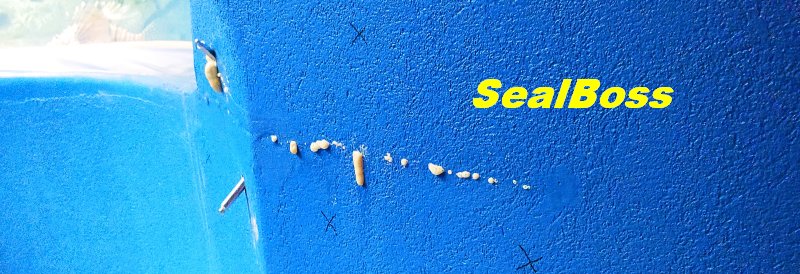
Identifying leaks in the aquarium is a straightforward process, thanks to the visible salt deposits that form from evaporated seawater. These deposits, a clear indicator of long-standing leaks, are especially noticeable in the State Aquarium due to its use of water from the Gulf of Mexico. The aquarium’s 6-inch thick acrylic glass and supporting concrete structures, prone to shrinkage and stress cracks over time, are typical areas where SealBoss training focused on.

The SealBoss  1, 2, 3, 45-Degree Injection Guideline was a key part of the training, teaching the team to effectively seal cracks and fissures. This technique, which involves staggered packer placement starting 6 inches from the crack center, proved highly effective under the specific conditions of the State Aquarium. The visible displacement of water and expulsion of chemical grout during the injection process was a clear sign of successful resin penetration, indicating a comprehensive seal of the cracks.

All areas were inspected for leaks and marked for injection. Some cold joints along the tank showed also signs of leaks, so preventative injections along cold/construction joints around the tank were advised.

In addition to addressing visible leaks, the SealBoss team advised preventative measures for potential leak sites, such as cold/construction joints around the tanks.

After the training session, the aquarium’s repair team was well-prepared to develop a comprehensive plan for managing both existing and potential future leaks.

Aquarium Leak Sealing Injection Foam - Sealboss

SealBoss also offers innovative Cold Joint Seal Systems for use during the construction phase, which can prevent leaks from occurring in the first place. Products like SealBoss Swell-Caulk and the SealBoss Inject-Tube System are ideal for creating watertight “pour-in-place” cold joints.

For anyone facing challenges with cracks or water leaks, SealBoss waterstop systems offer a reliable solution. Our representatives are always available for consultation and support at 714-662-4445.

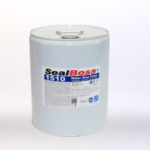
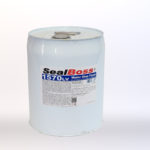
SEALBOSS-1510
SealBoss1510
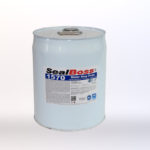
SEALBOSS-1570-LV-SMALL
SealBoss1570
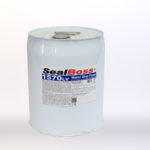
SEALBOSS-1570-LV-SMALL
SealBoss 1570LV
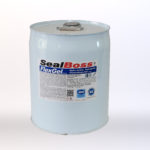
SEALBOSS-FLEXGEL-SMALL
SealBoss FlexGel
SEALBISS-15X-SMALL
SealBoss 15x
Packer System
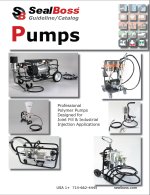
SEALBOSS-PUMPS-OVERVIEW
Pumps
  • Seawall Repair | Crack & Joint Leak Sealer | Soil Stabilization | Permeation Grouting
  • Defective Concrete (Cracked or Honeycombed)
  • Concrete Construction Joints & Cracks
  • Brick Construction, Geo Formations

SealBoss ® 1510 NSF Water Stop Foam Advantages:

  • Advanced NSF Formulation
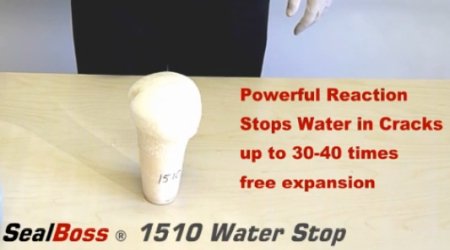
  • Up to 40+ Times Expansion
  • SealBoss ® Product-Pump-Packer System Solution
  • Unregulated For Transport
  • Solvent Free MDI Technology

In Person and Video training is available upon request, contact SealBoss today to speak to your regional technical representative on our SealBoss full system solutions and offerings.

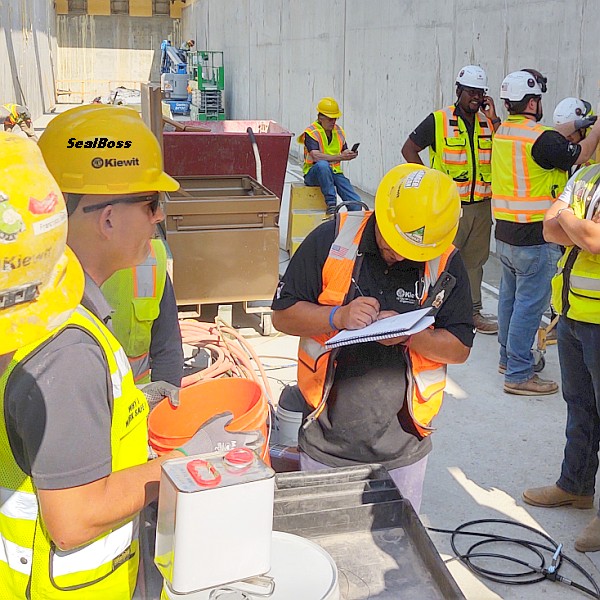
 ‘During on-site support and training, we create a positive learning environment to instill confidence and a level of comfort with the crew and applicators.

On-site training consists of an overview of SealBoss products and equipment and it’s features. This is followed by hands on training with actual injection of material until the applicator has gotten comfortable with the application techniques and nuances of the material used. Finally we focus on the correct cleaning procedure of the equipment.

From training new companies to new employees, SealBoss has continued to provide support to our users for 34 years and look forward to continuing this tradition in the years to come.

We won’t leave a jobsite till everyone is comfortable with the systems and can reteach the next person in line.

With a knowledgeable technical support team, we are here to help with any questions you may have’

The SealBoss Technical Team

Contact Your SealBoss ® Technician

Utility Vault Leak Sealing Repair

Utility Vault Leak Sealing Repair

Utility Vault Leak Sealing Repair

Injection Technology for Utility Vault Repair and Maintenance

Introduction:

Utility vaults, integral components of modern infrastructure, house essential services like electrical and telecommunications equipment. Despite their robust construction, they are prone to leaks, especially at precast joints and pipe penetrations. Neglecting these leaks can lead to operational, safety, and financial challenges. This comprehensive guide delves into the intricacies of utility vault leak sealing repair, emphasizing the application of polyurethane grout for long-lasting solutions.

Advantages of  Polymer Grout Injection for Utility Vault Leak Sealing Repair

Polyurethane grouts stand out for their material longevity and flexibility after curing, accommodating structural shifts and reducing the likelihood of cracks. Economically, it requires fewer reapplications and offers reduced labor costs, making it a cost-effective choice in the long run. Environmentally,  SealBoss’s NSF-certified polyurethane grouts meet stringent public health and safety standards, ensuring minimal impact on the environment.

Acrylate / acrylic gel injection resins offer extreme penetration properties and super low viscosity and are used for permeation and curtain injection while providing a sealing membrane in blow grade structures between the concrete and surrounding soil. 

Utility Vault Leak Sealing Repair

Ensuring Structural Integrity and Operational Efficiency

The Consequences of Ignoring Leaks

Unaddressed leaks in utility vaults can lead to equipment corrosion, failure, or increased maintenance needs, affecting the reliability of utility services. Moreover, water in electrical vaults creates a hazardous environment, increasing the risk of electrical short circuits and posing a safety threat to maintenance staff.

The Solution: Polymer Grout

Polyurethane grout, with various physical properties and reaction profiles, including hydrophobic and hydrophilic formulations, offer highly specialized solutions and a professional approach to sealing leaks in utility vaults permanently. On large and damp concrete walls of damp acrylate / acrylic gel injection may be the application method of choice. 

Polymer grout injection most often outperforms traditional methods like cementitious grouting by accommodating structural movements, active high velocity water flow, and preventing leak reoccurrence.

Sealing General Leaks and Leaking Cracks

Leaks can occur due to a variety of reasons including poor construction, soil movement, and aging materials. Cracks in the walls or floor of the vault can develop over time, leading to water ingress.

Crack Injection Method

Crack injection is a precise technique used to address leaking cracks. This method involves injecting a sealing material, typically a polyurethane (or sometimes epoxy resin), into the cracks to create a waterproof barrier.

Steps for Crack Injection:

  • Identifying and Cleaning the Crack: The first step is to thoroughly inspect the utility vault and identify all the cracks. These cracks need to be cleaned to remove any debris or contaminants.

  • Installing Injection Ports: Small injection ports are then installed along the crack at regular intervals. These ports will serve as entry points for the injection material.

  • Injecting the Resin: The selected resin is then injected into the ports, starting from the lowest port and moving upwards. The resin fills the crack completely, creating a waterproof barrier.

  • Curing and Finishing: Once the injection is complete, the resin is allowed to cure. After curing, the injection ports are removed, and the surface is finished as required.

Sealing Damp Walls with Curtain Injection Technique

Damp wall and water seepage with very fine cracks or no visible cracks. This issue is typically due to water seeping through the walls, which can be a result of groundwater pressure, capillary action and porous substrate.

Curtain injection is an effective method for addressing general leaks and damp walls. It involves creating a waterproof barrier behind or around the leaking area. Curtain injection is performed with SealBoss polyurethane grouts or SealBoss 2400 acrylate/acrylic gel resin.

Steps for Curtain Injection

  • Assessment of the Leaking Area: A thorough assessment is conducted to determine the extent and source of the leaks or dampness.

  • Drilling Injection Holes in Grid Pattern: Holes are drilled into the wall or ceiling at strategic locations to cover the area affected by the leaks or dampness.

  • Injecting the Grout: A low-viscosity polyurethane grout is injected into these holes. The grout travels through the voids and cracks behind the wall or ceiling, forming a curtain-like barrier.

  • Creating the Waterproof Barrier: The grout permeates and creates a curtain or bladder, sealing off the water paths and creating a waterproof barrier.

  • Curing and Inspection: After the injection, the grout is given time to cure. A final inspection is conducted to ensure the effectiveness of the barrier. Curtain injection can often be tested by flooding the area behind the structure.

The Water Migration Problem of Precast Joints and Pipe Penetrations

Precast joints in utility vaults, formed at the junctions between concrete sections, are susceptible to leaks due to cracks, soil shifts or temperature fluctuation caused movement.

Similarly, pipe and conduit penetrations, where utility lines enter the vault, can become leak points. The original sealing around these areas can degrade over time, allowing water to infiltrate the vault.

Repairing Precast Joint Leaks

For precast joint leaks, products like SealBoss 1510 and SealBoss 1570, combined with SealBoss Oakum, offer effective solutions. SealBoss 1570 is a highly flexible polyurethane grout that adapts to movements between concrete sections, while SealBoss Oakum, a special oil-free dry jute rope, helps to seal large and irregular defects when used in combination with the grout.

Installation Guideline

  • Clean and moisten surfaces before applying Oakum
  • Saturate SealBoss Oakum with SealBoss Polyurethane Resin
  • Pack the Oakum into the precast joint and, if necessary, inject additional resin for a complete seal.
  • Allow the material to cure overnight

Addressing Pipe Penetration Leaks

For pipe penetration leaks, a combination of SealBoss Polyurethane grout and SealBoss Oakum can create a durable seal. Soaking SealBoss Oakum in the grout and then packing it around the pipe forms a tightly sealed gasket.

Installation Guideline

This method offers longevity, with the potential to last up to five decades.

Selecting a Qualified Contractor

The effectiveness of the repair largely depends on the skill of the contractor. It is crucial to choose a contractor experienced in applying polymer grout. Look for contractors who have received training from the material manufacturer and have a proven track record in polymer water stop injection and leak sealing projects.

Evaluating Proposals

When reviewing proposals, focus on the detailed scope of work, proposed materials, cost breakdown, project timeline, and references. This due diligence ensures that your investment in utility vault leak sealing is well-placed.

Conclusion

Utility vault leak sealing repair, particularly with polymer grouts and resins, is an essential aspect of maintaining infrastructure integrity. Choosing the right contractor and using quality products like those offered by SealBoss can ensure the longevity and effectiveness of the repairs. By addressing these leaks proactively, you can mitigate operational challenges, ensure safety, and avoid negative economic impacts.

Related Links

Structural Utility Vault Repairs

SEALBOSS-1510
SealBoss1510
SEALBOSS-1570-LV-SMALL
SealBoss1570
SEALBOSS-1570-LV-SMALL
SealBoss 1570LV
SEALBOSS-FLEXGEL-SMALL
SealBoss FlexGel
SEALBISS-15X-SMALL
SealBoss 15x
SealBoss 2400
Contact Your SealBoss ® Technician

Parking Garage Waterproofing

Parking Garage Waterproofing

Injection Technology for Parking Garage Infrastructure Maintenance

Introduction:

Below-grade parking garages and above-grade garages are vital components in urban infrastructures, particularly in densely populated areas where surface parking is scarce. These garages provide a crucial solution for parking needs but are inherently prone to water leaks, leading to serious structural integrity issues.

Commercial parking garages, whether situated above or below ground, face a significant risk of water damage. The primary construction material, concrete, is naturally prone to developing shrinkage and stress cracks over time. Additionally, concrete’s porous nature, combined with the existence of construction and cold joints, creates potential pathways for water to penetrate. This infiltration of water can trigger various issues, notably the weakening of the concrete structure and the corrosion of embedded steel reinforcement bars (rebar).

Such deterioration not only compromises the structural integrity of the garage but also leads to escalated maintenance needs and potential safety hazards.

The consequences of such leaks and deterioration extend beyond mere inconvenience, posing safety risks, incurring costly repairs, and diminishing property values.

This article outlines common challenges of waterproofing these above-grade and subterranean structures, outlining the detrimental effects of water on concrete, strategies for early detection of structural compromises, and both immediate and long-term actions for maintaining the structural integrity and safety of these essential facilities.

Polymer Grout Injection Water Stop: The Final Line of Defense

Polyurethane grout injection plays a crucial role in parking garage waterproofing, especially in areas prone to leaks. This material provides a robust solution for sealing and protecting against water infiltration. When integrated into maintenance plans, it acts as a formidable barrier against moisture-related damages.

Polymer polyurethane and acrylate grouting include multiple repair techniques such as:

  • Crack Injection
  • Joint Injection
  • Conduit & Pipe Penetration Sealing
  • Curtain Wall Grouting
  • Soil permeation, compaction, consolidation, and stabilization grouting

Polymer Grout for Parking Structure Waterproofing

The Detrimental Effects of Water on Concrete Structures

Water migration in concrete parking garages can lead to corrosion, compromising the structural strength of the concrete, increasing the likelihood of further cracking, spalling, and in severe cases, complete structural failure. These issues not only present significant safety hazards but also accelerate the need for increasingly extensive repairs.

Recognizing the Signs of Structural Compromise

Early detection of water-related damage is critical for the longevity of parking structures. Key indicators include cracking, spalling, efflorescence (a greyish white, powdery substance indicating water movement within concrete), and rust stains on concrete surfaces. These signs point to potential rebar corrosion and overall weakening of the concrete structure.

Immediate and Long-Term Waterproofing Actions

Effective waterproofing requires both immediate interventions and long-term strategies.

Immediate actions often include sealing leaks with polyurethane polymer grout or acrylate grout injection and allowing for additional drainage to prevent water accumulation.

Long-term measures involve regular structural inspections and the development of comprehensive maintenance plans, encompassing routine cleaning of drains and re-application of waterproofing materials.

Protecting Investment and Public Safety

The integrity of below-grade parking garages is crucial for the safety of its users and the preservation of asset value. Stakeholders need to understand the impacts of water damage and adopt proactive strategies to mitigate risks. This approach helps extend the lifespan of parking structures, reduces maintenance costs, and ensures a safe, functional environment for users.

Maintenance of Drainage Systems

Effective drainage is paramount in preserving the structural integrity of parking garages. Poor drainage can lead to water ponding, increasing slip-and-fall risks, and accelerating concrete deterioration. Maintaining an efficient drainage system is thus essential for avoiding frequent and costly repairs.

Contractors tasked with improving drainage should focus on optimizing the existing system. This involves evaluating the system’s effectiveness, cleaning drains, removing debris, and recommending a schedule for regular inspections and ongoing maintenance.

While improving drainage systems may require an upfront investment, the long-term benefits, including reduced maintenance costs, structural preservation, minimized safety risks, and enhanced operational efficiency, are substantial.

Combating Corrosion

Water migration of any source, including groundwater, rain water and sprinkler runoff,  and environmental factors like minerals and vehicle emissions can significantly corrode concrete and metal components. Polymer grout injection, when correctly applied, effectively seals against these elements, prolonging the garage’s structural integrity.

Cost Considerations and Long-Term Value

Investing in polymer grout application, including hydro-active foam, polymer gels and resins, is cost-effective in the long run, offering benefits such as reduced repair costs, extended lifespan of the garage, enhanced safety, and increased property value.

Complementing Polymer Grout Technology with Other Preventative Measures

A comprehensive corrosion prevention strategy can include additional measures like proper ventilation, regular cleaning, and the application of specialized coatings and sealants, alongside polyurethane grout injection methods.

Regular inspections and proactive maintenance are key to sustained effectiveness in corrosion prevention. Any signs of new corrosion should be promptly addressed to maintain the structure’s integrity.

The Importance of a Comprehensive Corrosion Prevention Strategy

A holistic approach to combating environmental corrosion is essential for the long-term success of waterproofing efforts. This strategy should encompass quality application of polyurethane grout and integration into a broader corrosion prevention plan.

Sealing of Gaps and Spaces Around Electrical Conduits and Pipes

Moisture poses significant risks to electrical systems within parking garages, potentially leading to hazards such as short circuits and electrical fires. Ensuring electrical safety requires a multifaceted approach that can combine polyurethane grout application with other comprehensive safety measures. This strategy is vital for reducing the risks associated with water infiltration.

Polyurethane grout is instrumental in mitigating these risks by effectively sealing areas around electrical installations and sealing of leaking conduits and the sealing of other openings in the structure such as annular spaces and gaps around drainage pipes.

The initial investment in polyurethane grout application for electrical safety and the sealing of conduit and pipe penetrations pays off in the form of reduced maintenance costs, enhanced safety, and operational continuity. Electrical, conduit, and pipe penetration safety in parking garages should include regular inspections and maintenance.

Conclusion

Waterproofing below-grade parking garages is a critical aspect of urban infrastructure maintenance. By understanding the challenges, recognizing the signs of damage, and implementing both immediate and long-term waterproofing strategies, owners and stakeholders can protect their investments, ensure public safety, and maintain the structural integrity of these essential facilities.

Regular maintenance, combined with the strategic use of preventative and repair materials like polyurethane grout, forms the cornerstone of effective waterproofing and corrosion prevention.

For specialized solutions, consulting with the waterproofing experts at SealBoss Corp. is recommended to ensure that your parking garage remains safe, functional, and valuable for years to come.

Related Links

Structural Parking Garage Repairs

Contact Your SealBoss ® Technician

Water Tank Sealant

Water Tank Sealant

Water Treatment Plant Tanks Sealed

Water Tank Sealant

Polyurethane Water Tank Sealants for Water Treatment Plants

Polyurethane injection chemical grouts serve as versatile and adaptable sealants, capable of effectively sealing cracks even in less than ideal conditions. These grouts can be employed to seal both narrow and wide cracks, as well as dry and actively leaking ones, and those containing contaminants such as mud or mineral deposits.

SealBoss low-viscosity, hydro-active, expanding polyurethane injection resins and chemical grouts provide exceptional penetration and adhesion properties when applied to wet or dry cracks, ensuring a robust and lasting seal.

In large concrete structures, cracks can emerge anytime after the pore and cure process, particularly in structures with extensive surface areas. As such, it is not unusual for cracks to require sealing during the construction phase. Furthermore, water leaks often manifest within the first five years of a structure’s life.

Water Treatment Plants are designed with strict specifications that necessitate minimal water migration, leakage, inflow, and infiltration. Failure to address water tank leakage properly and promptly can result in an increased risk of subsequent damage, including reinforcement and concrete corrosion.

For over three decades, Water Treatment Plants have effectively utilized SealBoss polyurethane water tank sealants to address and resolve water leak issues in their concrete structures, ensuring the integrity and longevity of these vital facilities.

Injecting Cracks Exhibiting Water Intrusion Prior to Seal Test

Jobsite Overview

A newly constructed tank at a Water Treatment Plant in the mid-west necessitated the sealing of its cracks using a specialized polyurethane water tank sealant system.

A SealBoss technical expert was called upon to provide on-site guidance for the injection procedure and to assist SealBoss Certified Installers in formulating a plan for a cold weather injection.

Inspection Process

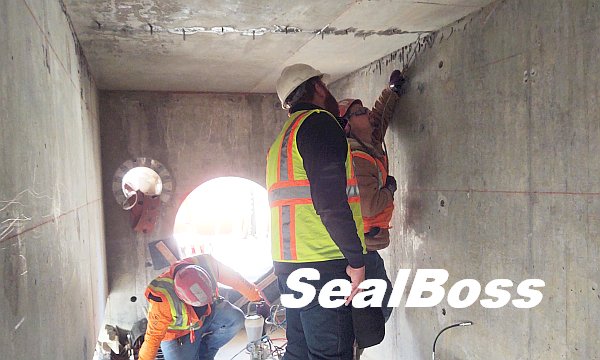
After going over safety procedures, and following safety protocol, a three-person crew entered the tank to examine the leaks. They identified two overhead cracks with active, slow-moving leaks, manifesting as drips.

Water Tank Sealant System Implementation

The objective of this injection process was to inject NSF/ANSI 61 certified SealBoss 1510 Water Stop Foam into the leaking cracks within a non-permit confined space. The SealBoss Injection System, featuring Evolution 13-100 AL injection packers and the P2002 ultra-portable injection pump, was utilized for this purpose.

Water Tank Sealant SealBoss

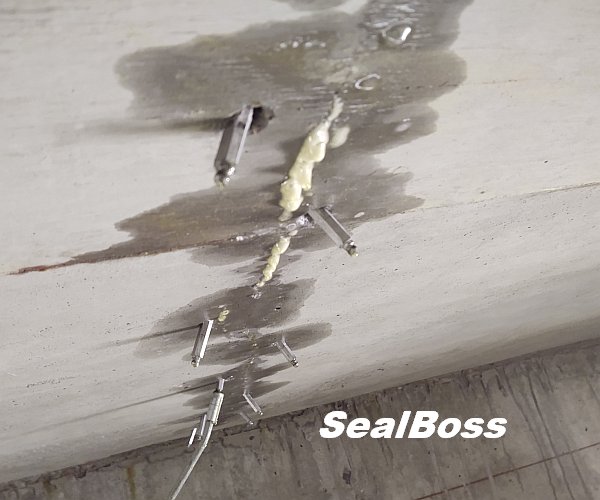
During the injection packers’ installation, some drill holes began to leak, indicating successful intersection with the crack for packer placement. Once the injection ports were secured, warm water was injected through each packer to facilitate catalyzation and accelerate the reaction. Next, the 1510 Water Stop Foam and 15x Accelerator were mixed in the P2002’s hopper, and the injection of the 1510 sealant into the water tank began.

Shortly after initiating the injection, the resin started displacing the water within the structure’s voids, causing water and gas to escape from the crack’s face. Injection continued until resin was observed emerging from the crack.

Each port was injected in a similar manner, adhering to the 1, 2, 3, 45 Degree Injection Guidelines. After the crack was completely injected and cured foam visibly flowed from the crack’s face, each packer was re-injected.

If immediate pressure buildup occurs, it indicates that the crack has been effectively sealed. If pressure does not build up instantly, the crack requires low-pressure reinjection to enable the resin to further penetrate the crack and displace any remaining water, ensuring a comprehensive and efficient seal.

Materials and Tools Used

Related Articles

Learn More

Feel free to reach out to us at 714-662-4445 for any questions, or request a callback here. We’re dedicated to helping you find the ideal solution. If needed, our expert technical representatives are available for on-site assistance to guarantee your project’s success.

Contact Your SealBoss ® Technician

Water Treatment Plant – Crack Leak Sealing Repair

Water Treatment Plant Leak Sealing Repair

NSF Drinking Water Certified Water Stop Foam - P2002 Pro-Kit

Rush Delivery and On the Job Training

This newer water treatment plant has the capacity to meet the needs of the growing city’s population and industrial demands. It utilizes state-of-the-art technology to reduce seasonal taste and odor issues, treats for sulfates from Devils Lake discharges, and meets regulatory requirements related to pharmaceuticals, pesticides and herbicides. Located in a harsh climate, the Treatment Plant is an all indoor facility with multiple basins for the various processes of treatment.

A SealBoss Technical made a rush delivery of a P2002 Pro-Kit and NSF Drinking Water Contact Certified SealBoss Water Stop Foam to the North Dakota Water Treatment Plant where previous attempts to mitigate various leaks through concrete cracks had failed. SealBoss provided intensive on the job crack injection training for the in-house maintenance and repair team to provide them with product and application knowledge to be able to inject and leak-seal any cracks within the facility successfully.

The chlorine basin had developed cracks and water with minimal solids had been leaking from the bottom of the basin on to the pumps and other mechanical components. Previously, the leaking cracks had been unsuccessfully addressed by a contractor with a undisclosed product and were found to be covered with an epoxy paste.

Prior to injection with SealBoss hydro active hydrophobic polyurethane foam the face of the concrete needed to be cleaned and stripped back to bare concrete. Some leaking areas had previously been injected by drilling directly into the crack (which is not a recommended procedure for this type of application)  and were left unfinished with some ports or parts thereof still in place. The old remaining ports needed to be removed and the old drill holes were quickly and temporarily plugged with SealBoss 3/8” Hammer-in ports.

Once this was accomplished, new injection holes were drilled following the SealBoss 1, 2, 3, 45-Degree Injection Guidelines and starting roughly 6” from the center of the crack and placing packers in a staggered fashion. Under the job site conditions the SealBoss 45-Degree packer installation technique provided for much better product penetration and travel within the cracks and hairline fissures. Once all the holes were drilled the SealBoss Evolution 13-100AL aluminum packers were placed and the overhead injection began.

SealBoss NSF/ANSI 61 certified 1510 Water Stop Foam chemical grout is approved by the supervising  engineering firm for the crack and leak-seal repair on this project. The product was injected with the SealBoss P2002 high pressure single component injection pump system.

Within a short time the low viscosity SealBoss 1510 Foam was traveling through the cracks and began reacting. Refusal of the resin from the face of the crack was visible at distances far exceeding the next packer hole indicating very good penetration.

Utilizing the SealBoss 1, 2, 3, 45-Degree Injection Method with staggered packer placement, rather than drilling directly into the cracks, the low viscosity SealBoss 1510 chemical grout was able to travel much farther inside the cracks, hairline fissures and non-visible shrinkage cracks thus creating an immediate and permanent seal.

SealBoss provided intensive on-the-job crack injection training for the in-house maintenance and repair team and taught them all the product and application knowledge to be able to inject and leak-seal any cracks within the facility successfully.

fter several hours of on-site guidance, the facility’s repair team felt confident in devising a strategy to address the remaining cracks. They were also well-acquainted with the systems for anticipated future leak repairs.

"When called for on-site support and training, our goal is to foster a positive learning atmosphere. We aim to instill confidence and familiarity swiftly, ensuring seamless repairs long after my training concludes.

Since1988, SealBoss has been dedicated to training—from entire companies to individual employees. We are proud to carry forward this legacy of support.

Our on-site training begins with a comprehensive overview of our products and an in-depth look at the pump's features. This is complemented by hands-on practice, where participants get to inject material until they're fully at ease with the application methods and the material's intricacies. We then shift our attention to the proper cleaning procedures for the equipment. We make it a point not to depart from a site until I'm certain that everyone is proficient with our systems and can pass on the knowledge to their peers.

Backed by an expert technical support team, we're always available to address any queries you might have."
SealBoss Technical Sales Team

SealBoss ® 1510 NSF Water Stop Foam for infiltrating water:

  • Seawall Repair | Crack & Joint Leak-Seal | Soil Stabilization | Permeation Grouting
  • Defective Concrete (Cracked or Honeycombed)
  • Concrete Construction Joints & Cracks
  • Brick Construction, Geo Formations

SealBoss ® 1510 NSF Water Stop Foam Advantages:

  • Advanced NSF Formulation
  • Up to 40+ Times Expansion
  • SealBoss ® Product-Pump-Packer System Solution
  • Unregulated For Transport
  • Solvent Free MDI Technology

In Person and Video training is available upon request, contact SealBoss today to speak to your regional technical representative on our SealBoss full system solutions and offerings.

Some of Our SealBoss ® P2002 Drill Operated Injection Pump Advantages

  • Polyurethane Grout Injection Pump
  • Polyurethane Foam Injection Pump
  • Easy To Use
  • Easy To Cean
  • Easy To Maintain
  • Modular, Compact &
  • Sturdy Design
  • Single Component
  • Electric Drill Operated
  • Heavy Duty For Daily Use
  • Pressure Gauge, Hose Set, Hopper Included
  • Recommended For Beginners & Injection Pros
  • > 5000 PSI Injection Pressure Possible

In Person and Video training is available upon request, contact SealBoss today to speak to your regional technical representative on our SealBoss full system solutions and offerings.

Tip: Listen to our ‘How To’ Podcast:

Leak Sealing Polyurethane Crack Injection in Concrete and Shotcrete Structures

Contact Your SealBoss ® Technician

Wet Basement Repair

wet basement repair - SealBoss System

Wet Basement Repair

Injection System

Do You have a Wet Basement?

If you are a homeowner, one of the most frustrating problems you can encounter is a wet basement. Not only can it cause damage to your property, but it can also lead to health hazards such as mold growth and respiratory issues. Fortunately, there is a solution: the SealBoss Wet Basement Repair Injection System.

What is the SealBoss Wet Basement Repair Leak Injection System?

The SealBoss injection foam system is a waterproofing solution that involves injecting polyurethane foam into cracks and gaps in your basement walls and floors. The foam expands and hardens, creating a barrier that prevents water from entering your basement.

How does the Wet Basement Repair Injection Foam System work?

The SealBoss injection foam system works by injecting a polyurethane foam into the gaps and cracks in your basement walls and floors. The foam mixture is injected under pressure, creating a waterproof seal that prevents water from entering the structure.

The SealBoss injection foam system is also designed to be flexible, which means that it can expand and contract with your basement walls and floors as they shift over time. This prevents the foam from cracking or breaking, which could compromise its ability to keep your basement dry.

SealBoss 1510 Water Stop Foam

The SealBoss injection foam is effective, durable, and affordable. It is typically much less expensive than other waterproofing methods, such as excavation or foundation repair. It is also quick and easy to install, taking just one day or two in many cases.

SealBoss 1510 Water Stop Foam is a single component, accelerator adjusted high-performance waterstop foam that is extremely well suited for wet basement repair. This product is designed to seal gaps and cracks in concrete structures permanently, including basement walls and floors, and prevent the infiltration of water.

This product is easy to install and provides long-lasting results. Once installed, the SealBoss 1510 Water Stop Foam expands and hardens, creating a barrier that is impervious, preventing water from entering your basement.

SealBoss Injection Packers

To effectively apply SealBoss 1510 Water Stop Foam, it is essential to use SealBoss Injection Packers. These specialized tools allow for the precise injection of foam into the cracks and voids in the basement walls and foundation, ensuring that the SealBoss 1510 Water Stop Foam is evenly distributed and that there are no gaps or weak spots in the waterstop barrier.

What are the benefits of using the SealBoss Injection System for Wet Basement Repair?

There are many benefits to using the SealBoss injection foam system for wet basement repair. Here are a few:

  • Effective: The SealBoss injection foam system is an effective solution for preventing water from entering your basement. The foam expands and hardens to create a barrier that is impervious to water.

  • Durable: The SealBoss injection foam system is designed to be durable and long-lasting. It can withstand some shifting and settling of your basement walls and floors over time, which means that it will continue to keep your basement dry for years to come.

  • Affordable: The SealBoss injection foam system is an affordable solution for wet basement repair. It is typically less expensive than other waterproofing methods such as excavation or foundation repair.

  • Quick: The SealBoss injection foam system can be installed quickly and easily, which means that you won’t have to spend a lot of time dealing with wet basement issues.

  • Safe: The SealBoss 1510 and 1570 injection foam systems are NSF/ANSI drinking water contact certified.

How can I get the SealBoss Injection Foam System installed in my basement?

At SealBoss, we have over 30 years of experience in wet basement repair, and we are committed to providing effective solutions that work. If you’re interested in using the SealBoss injection system, be sure to contact us directly. 

We can put you in touch with a professional contractor who specializes in this type of work. They will be able to assess your basement and determine whether the Injection System is the right solution for your needs. We offer complete Starter Kits for contractors and Repair Kits for smaller jobs.

Remember, a dry basement is not only aesthetically pleasing, but it can also protect your health and the structural integrity of your home. Don’t let a wet basement go untreated – please feel free to contact us at 714-662-4445, or you can request to be contacted by filling out a form on our website.

Learn more about our injection foam system and how it can help you enjoy a dry and safe basement for years to come

Starter Kit and Small Repair Kit Options

Links

Related Articles

Contact Your SealBoss ® Technician

Tunnel Segment Injection Repair

Tunnel Segment Injection Repair

Sealboss Tunnel Sealing Solutions
Chemical Grouts - Swell Tape Profiles - Swell Caulk Mastic

Mock-up Repair of a Tunnel Segment Using Polyurethane Foam Injection

Introduction
Within the intricate domain of tunnel leak sealing, polyurethane foam injection stands out for its effectiveness in tackling cracks and leaks.

This case study of a mock-up repair delves into the practical application of this method, exploring how a single tunnel segment was successfully leak seal injected with SealBoss 1510 water stop leak seal foam using specialized equipment.

Objective – Tunnel Segment Injection Repair
To seal a crack in its entirety and to its full depth, in a single tunnel segment, using polyurethane foam injection.

Methodology

Problem Identification
A prominent crack was identified in the tunnel segment, making it a prime candidate for repair. To simulate real-world scenarios, the crack was pre-injected with water to mimic a leak.

Tunnel Segment Injection Repair
Tunnel Segment for Crack Mock-Up Injection

Equipment & Material Selection

Pump
SealBoss P2002 Injection Pump, known for its reliability and efficacy in such repair scenarios. The SealBoss P2002 Polyurethane Injection Pump boasts a compact design with an integrated stand. Remarkably lightweight yet powerful, it is compatible with most SealBoss® polyurethane products with viscosities between 10 and 1000 cps. This professional-grade pump offers outstanding output and pressure. Its modular design ensures low maintenance and easy cleaning.

Injection Packer

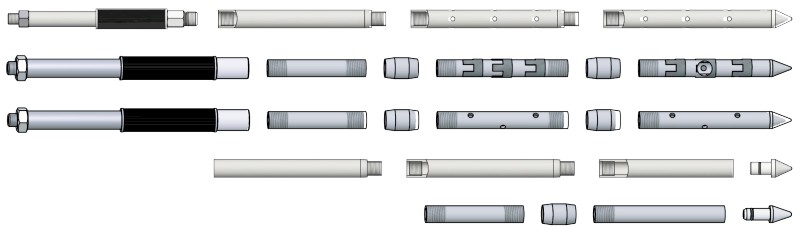
The SealBoss Evolution Long Aluminum Packer was chosen, a leading choice for deep, angled injections. or a successful injection process, mechanical injection packers and ports are crucial. Our extensive stock is curated to cater to diverse client needs, promising timely deliveries.

Foam
SealBoss 1510 Water Stop Leak Seal Foam, recognized for its water-stopping capabilities. SealBoss 1510, commonly referred to as 1510 Water Stop Foam, stands out as our premier and best-selling grout for addressing water leaks in a majority of crack injection contexts. When combined with 15x Accelerator, this hydrophobic, water-activated grout transforms into a foam seal based on MDI polyurethane. Furthermore, this resin is entirely solvent-free and composed of 100% solids.

Injection Strategy
A singular injection packer was placed at a precise angle towards the crack. This strategic positioning was critical to ensuring the foam could reach the full depth of the crack and seal it effectively.

Execution
With the equipment set and the crack prepped, the SealBoss 1510 foam was injected using the SealBoss P2002 pump through the SealBoss Evolution packer. The foam’s expansive properties, coupled with the angled placement of the injection packer, ensured the material filled the entire crack from depth to surface.

Tunnel Segment Injection
Single Injection Packer - Full Crack Penetration

Outcome – Tunnel Segment Injection Repair

Upon completion of the injection process, a thorough inspection was conducted to verify the effectiveness of the repair. The results were clear – the crack had been sealed entirely, with complete, uninterrupted foam penetration along the perimeter. 

Key Learnings

Strategic Packer Placement
The success of this repair underscored the importance of correctly positioning the injection packer. An angled approach ensured the foam covered the crack’s entire depth.

Reliable Equipment
The SealBoss P2002 injection pump and SealBoss Evolution packer proved indispensable, delivering the foam efficiently to the target site.

Efficacy of SealBoss 1510
This particular foam showcased its prowess in stopping water ingress, highlighting its potential as a top-tier solution for tunnel repairs.

Conclusion
This case study stands as a testament to the efficacy of polyurethane foam injections in tunnel repair scenarios. When executed with precision and the right equipment, even a single injection point can address extensive cracks, ensuring the longevity and safety of critical infrastructure like tunnels. 

Tunnel Segment Injection Repair and other SealBoss Tunnel Sealing Solutions

Tunnel Injection Repair Equipment

Leak-Seal Foam Grout
Water Stop Foam Grout
Hydrophobic Injection Foam Grout

Our #1 Selling Polyurethane Injection Foam
Water Cut-Off Injection Grout
Unregulated for transport. Drinking Water Contact meets NSF/ANSI 61 Section 5 requirements. 1510 PU Foam & Oakum Pipe Plug Kit

Contact Your SealBoss ® Technician

Water Ingress in Corrugated Tunnel Sealed

water ingress in corrugated tunnel sealed SealBoss

Water Ingress in Corrugated Tunnel Sealed

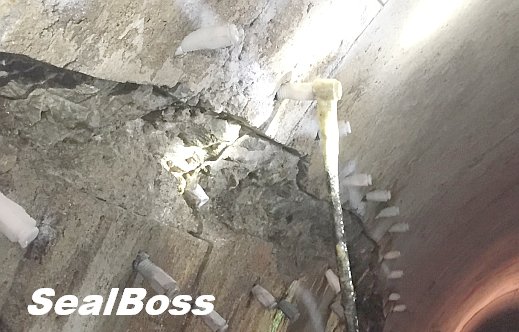
The University of Leicester enlisted the services of a U.K.-based specialty repair contractor to evaluate and rectify a steel corrugated tunnel/pipe approximately 1.8 meters in diameter.

The tunnel was exhibiting signs of persistent and significant water intrusion due to damage caused by corrosion, which led to the formation of cracks and perforations at the base of the duct.

The contractor devised and implemented a solution that could be applied from the confined interior space of the tunnel. The aim was to extend the lifespan of the structure by an estimated 25 years.

Given the substantial degree of water ingress from the elevated water table, a solution was needed that would not only stop the current water flow but also provide a robust barrier against future water infiltration and leakage.

The contractor identified a proven hydrophobic, hydro-active polyurethane water stop foam resin as the most suitable solution to tackle the fractures showing severe pressing water conditions.

Sealboss 1510 Water Stop Foam, NSF certified and activated by the 15x Accelerator, was the selected chemical grout to mitigate the severe and pressing water conditions.

The advantage of using this specific waterproofing injection grout in sealing the corrugated tunnel stems from its ability to seal not only wide, gushing water leaks but also the smallest of pores and capillaries in building elements that might otherwise allow water to seep to the surface.

The low viscosity of SealBoss 1510 chemical foam grout, coupled with the specially formulated SealBoss 15X Accelerator – which can be mixed at ratios ranging from 2% to over 20% by volume with the resin – enables a range of reaction profiles. These range from slow absorption into the concrete building components, sealing all capillaries and pores, to rapid water stop high-foamer expansion for sealing larger gaps and voids.

Carefully regulated addition of the accelerator allows for controlled expansion from nearly no expansion to forty times expansion. Due to its controlled expansion, the resin will either cure to form a tough semi-flexible seal or a compression seal gasket when expanding at pressure.

Following the injection as per specification, the corrugated tunnel repair now provides a watertight seal to the concrete, effectively preventing further deterioration of the building components due to water infiltration and seasonal frost.

Products used for Tunnel Water Stop and Leak Sealing Injection

Popular Leak Repair Injection Links

Contact Your SealBoss ® Technician

Recent Posts

More Posts

Archives
Categories
Scroll to Top