
Search

SealBoss News / Blog

Sealing Pipe Penetration Water Leaks at Multi Family Apartment Complex

Sealing
Pipe Penetration
Water Leaks

sealing-pipe-penetration-leaks-at-multi-familily-apartment-complex SealBoss

Multi Family Apartment Complex

Introduction

Water intrusion through pipe penetrations in apartment complexes can lead to significant structural damage, safety concerns, and costly repairs if not addressed promptly.

At a newly constructed apartment complex, persistent water leaks from a courtyard into an underground parking structure posed a serious challenge.

The leaking water caused concrete staining, erosion, and fire-stop material damage, jeopardizing the integrity of the building.

To tackle these issues, a certified SealBoss installer implemented a comprehensive and effective solution to seal the pipe penetration leaks.

Using advanced chemical injection grouting techniques and specialized SealBoss products, the contractor successfully resolved the problem, ensuring a watertight seal around the pipe penetrations and restoring the structure’s integrity.

This article details the step-by-step process and products used to address these complex leaks, offering insights into effective pipe penetration sealing solutions for multi-family apartment projects.

Multi Family Apartment Pipe Penetration Leak Stop

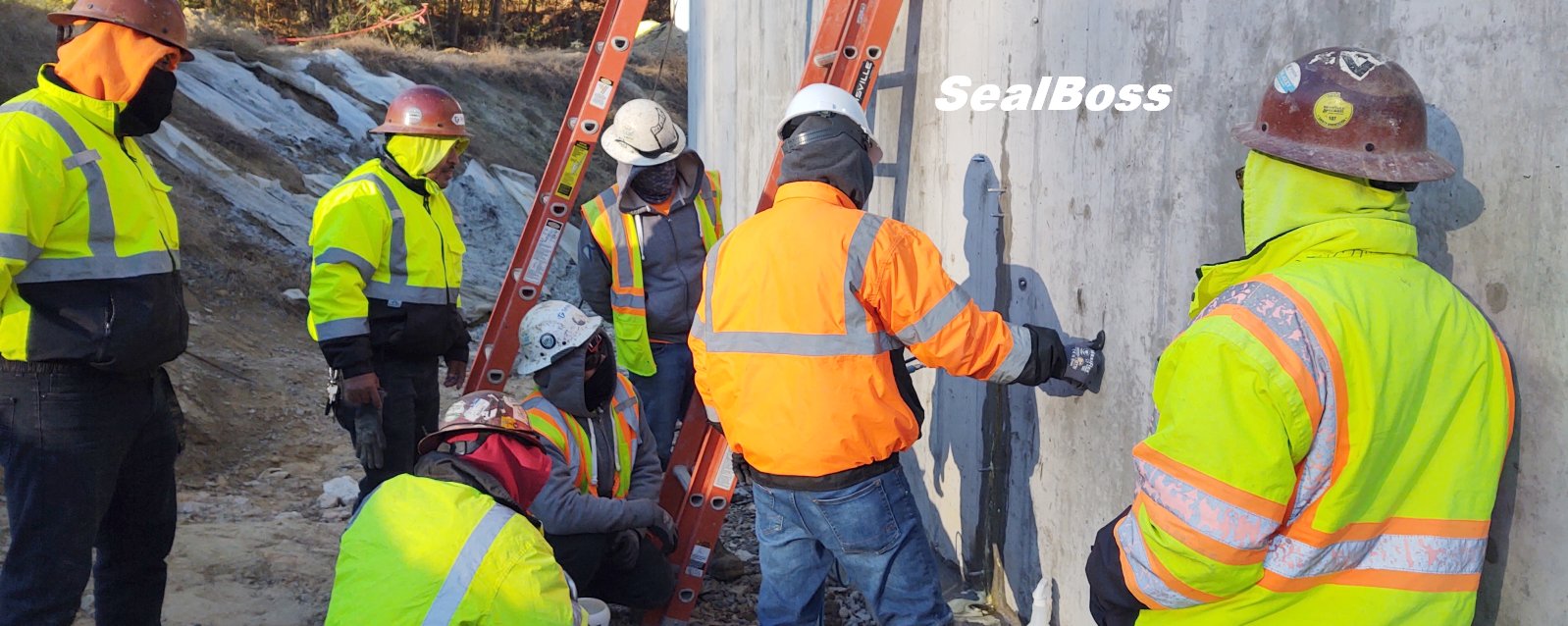
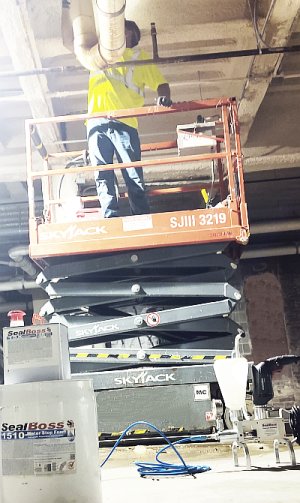
A certified SealBoss installer was engaged to resolve water intrusion issues at a new apartment complex, where water from a courtyard was leaking into the underground parking structure. This water was causing staining and erosion of the concrete floor and soaking into the fire-stop material. Upon investigation, it was found that rainwater and the courtyard’s irrigation system were the sources of the leaks.

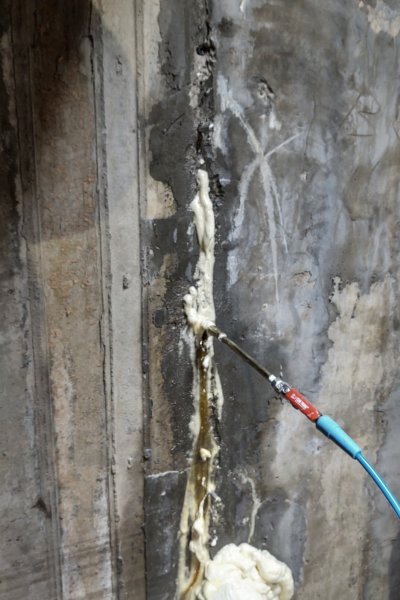
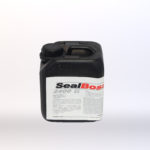
The contractor employed a three-step approach to inject SealBoss 1510 Water Stop Foam into and around the affected pipe penetrations, successfully sealing the most problematic leak points.

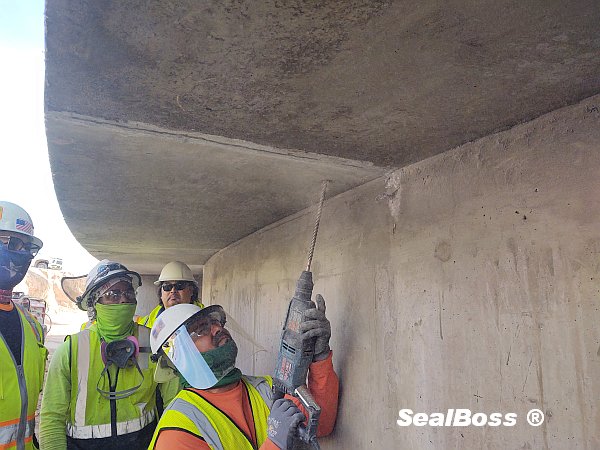
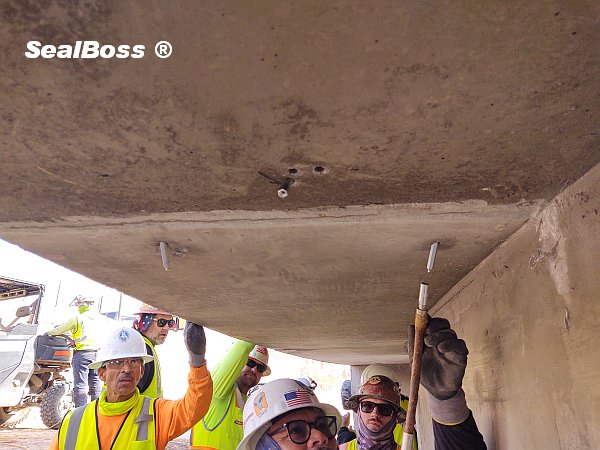
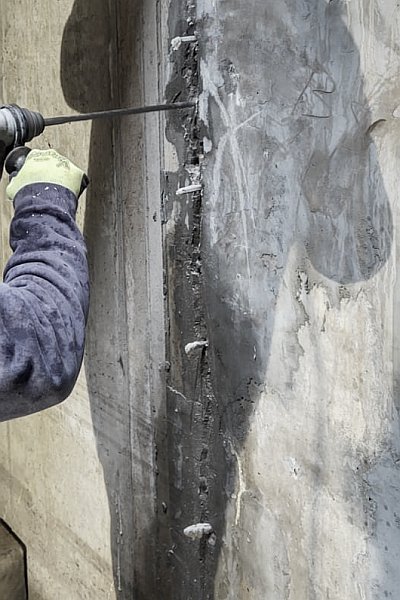
  • Horizontal Blanket Injection: This technique filled the voids between the geofoam and poured concrete, creating a barrier around each pipe penetration. The contractor drilled strategically through the concrete deck and into the geofoam, placing injection packers to form an effective seal.

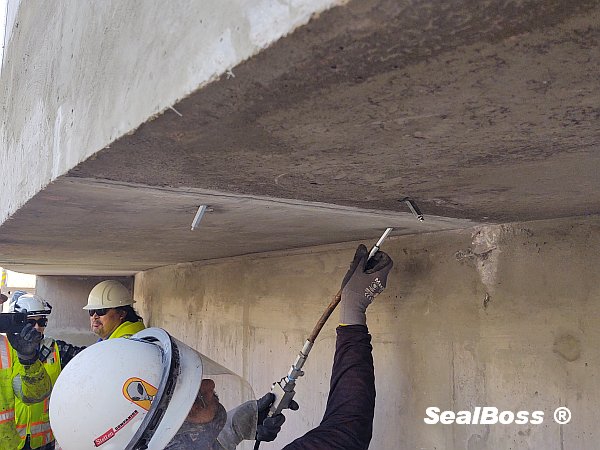
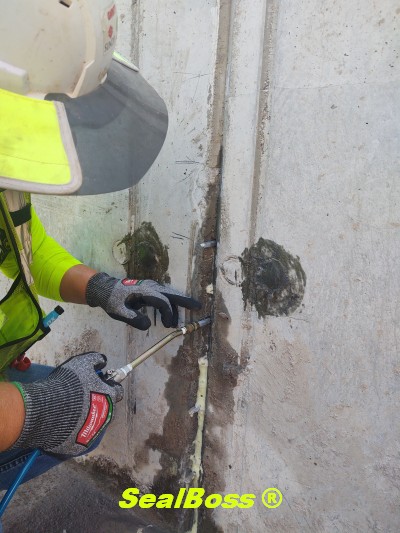
  • Area Draining and Packer Installation: After draining the area, injection packers were placed for a targeted injection of hydrophobic foam, addressing the initial leak sites.

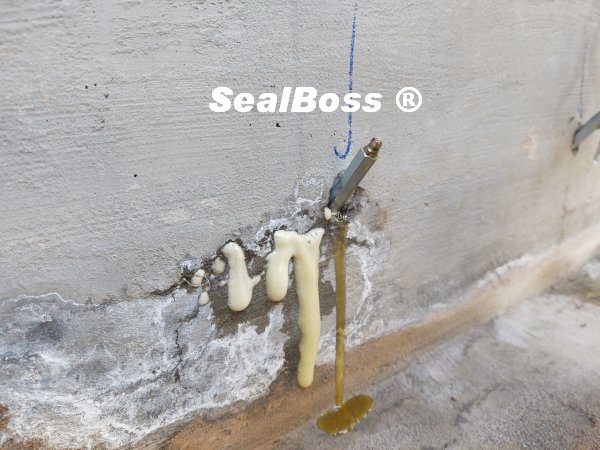
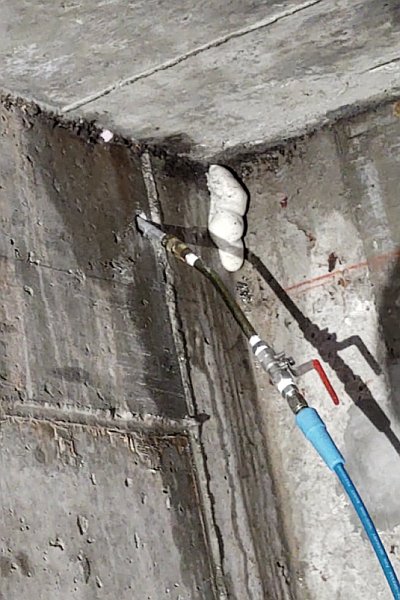
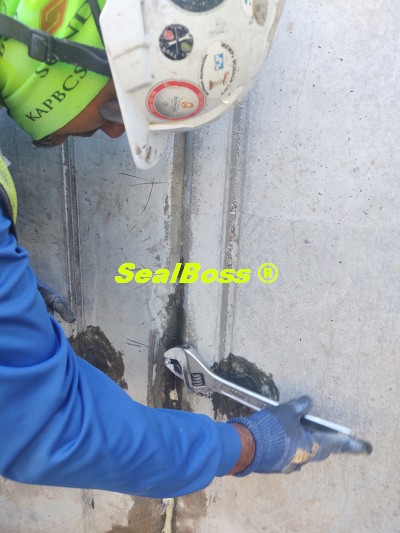
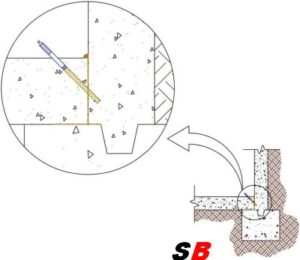
  • Penetration Sleeves Sealing: A few days later, new leaks were detected around the pipe sleeves. For larger metal sleeves, the contractor drilled at a 45-degree angle toward the sleeve and injected SealBoss 1510 Water Stop Foam until a positive refusal around the sleeve was achieved. To contain the expanding material, SealBoss CanSeal Foam was used as a temporary backing and also to fill the voids between the concrete and ribbed steel sheeting.


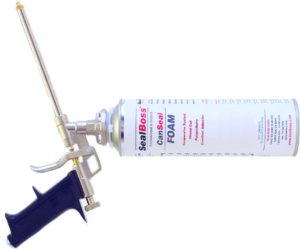
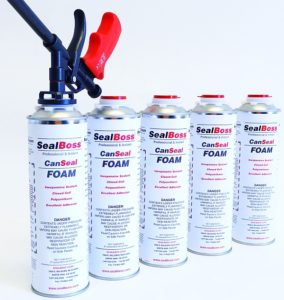
SealBoss ® CanSeal Utility Foam
is a specially formulated closed cell sealing foam — engineered to fully expand inside the applicator ‘gun barrel’.  When the foam exits the tip of the gun it is already fully expanded, enabling you apply exactly as much foam as you need without the messy and undesired “mushrooming” experience you may have with most of the other ‘over the counter’ foam products.

Small Pipe and Pipe Penetration Leak Sealing Kits

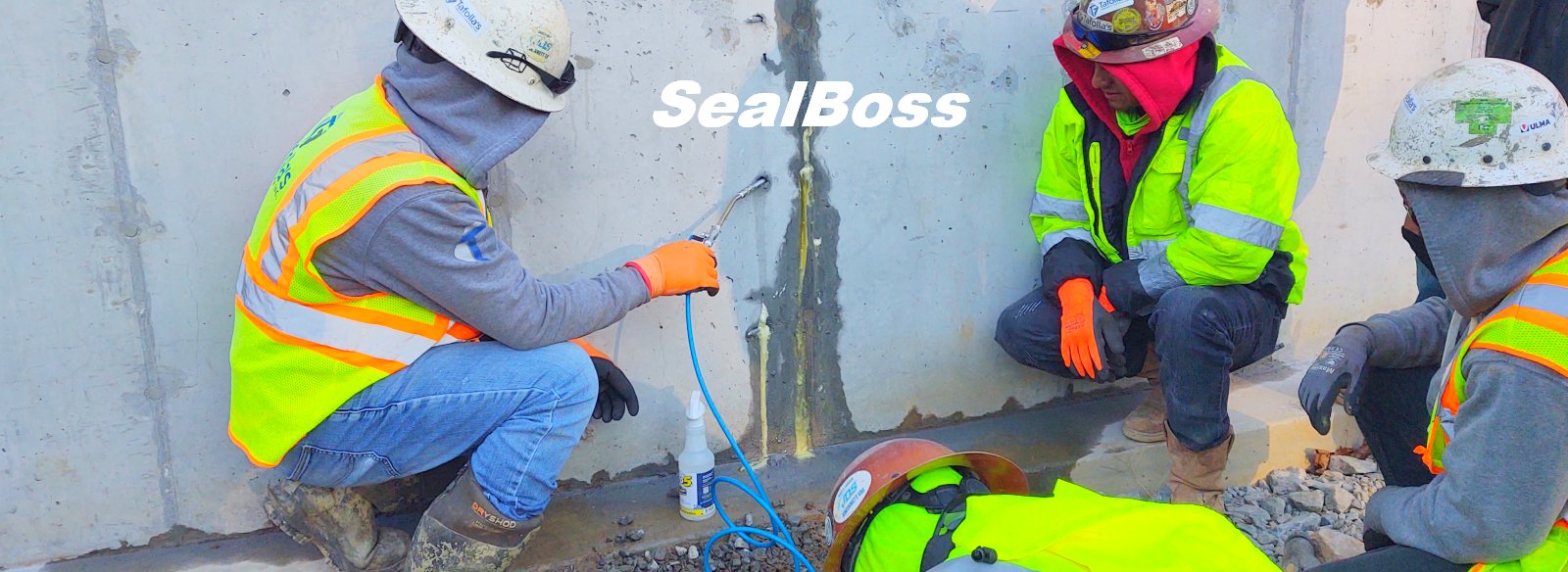
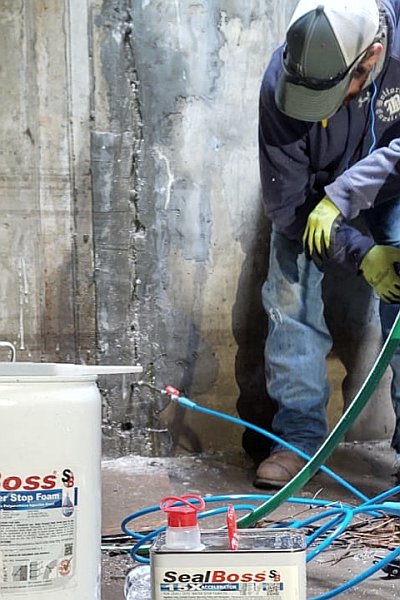
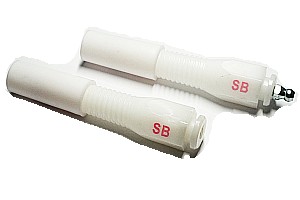
For smaller pipe penetrations with poly sleeves, a Grout Injection Needle was utilized to inject foam into tighter spaces. Open-cell backer rod was inserted into the sleeve to contain the resin as the needle was withdrawn, allowing SealBoss 1510 Water Stop Foam to expand upward, effectively sealing the poly sleeve and stopping the leak.

This comprehensive approach enabled the contractor to stop the leaks successfully. Following the repair, the building owner was advised to re-evaluate the courtyard’s irrigation system to prevent future water intrusion into the underground parking area.

Call Your SealBoss ® Pipe Penetration Leak Sealing Specialist

If you have any questions on chemical injection grouting or any related applications, please contact our team of qualified SealBoss grouting repair representatives to schedule an on site consultation & full systems training. Call us at 714-662-4445.

Contact Your SealBoss ® Technician

Below Grade Waterproofing

Below Grade Waterproofing

Below Grade Waterproofing: Innovative Solutions for Complex Challenges

In the field of construction and building maintenance, below-grade waterproofing poses distinct challenges, particularly when addressing sensitive areas where direct access to the source of leakage is limited, and traditional crack injection methods for waterproofing are not feasible.

A recent case involving a below grade mechanical room with water intrusion issues highlights the innovative approaches and solutions available in today’s construction industry.

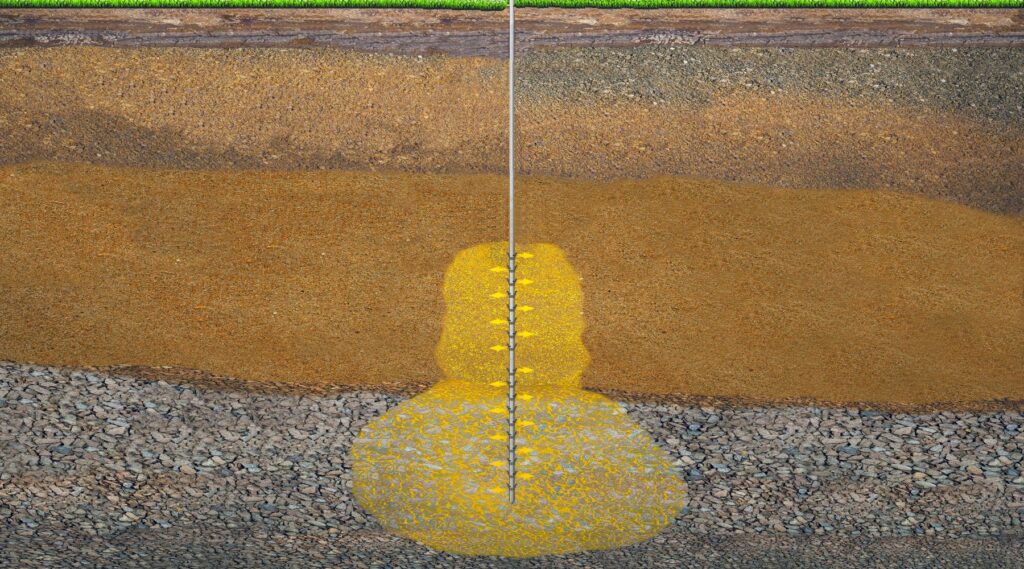
Polyurethane Polymer Gel and Foam Injection are effective methods to seal areas that are not easily accessible.  With direct and indirect chemical grout delivery methods available, a wide array of below grade waterproofing problems can be resolved.

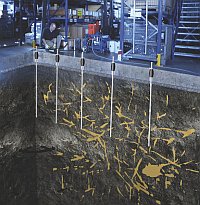
In this specific case grout injection lances were the delivery method of choice to combine waterproofing techniques such as soil permeation and consolidation grouting and curtain injection grouting to seal a subterranean mechanical room of a hospital.

Below Grade Waterproofing
Using Injection Lances and Polymer Gel

The Challenge: Water Intrusion in a Below Grade Mechanical Room

A mechanical room located below grade was experiencing water intrusion through shrinkage cracks and cold joints. The complexity of the situation was heightened by the fact that the problem could not be addressed from the negative side (inside the mechanical room) due to the placement of conduit and utility pipes. This scenario is not uncommon in below grade waterproofing projects, where access and space constraints often limit traditional repair methods.

Seeking Expert Solutions

In response to this challenge, the engineer overseeing the project reached out to SealBoss, a renowned name in the field of waterproofing and chemical grout injection solutions. SealBoss proposed a soil permeation and consolidation grouting and curtain injection grouting solution using SealBoss FlexGel hydrophilic polyurethane polymer leak sealing foam gel, a method well suited for this complex below grade waterproofing scenario.

The Process – Soil Permeation Injection and Consolidation Grouting with Injection Lances

Once the proposal was approved by all parties involved, the injection process began. The first step involved drilling cores to confirm the layout of below grade structures. During this phase, an unexpected utility bay was discovered, necessitating a modification in the layout of injection points to accommodate these below grade structures.

Installation and Injection Techniques 

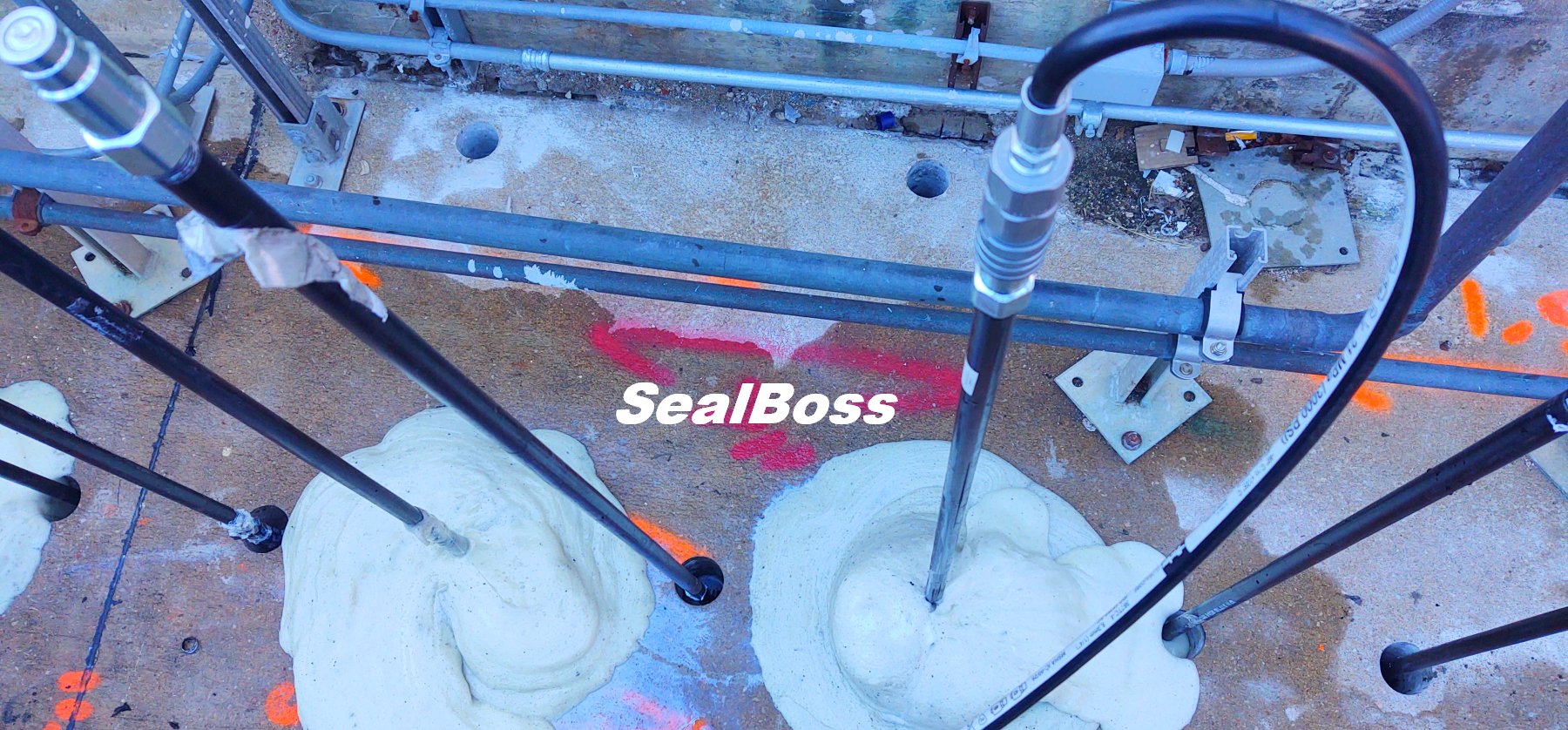
The installation process involved driving ½” soil injection lances into the core holes and installing female couplers to work with the custom applicator built by the contractor.

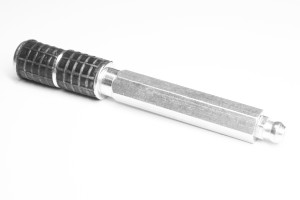
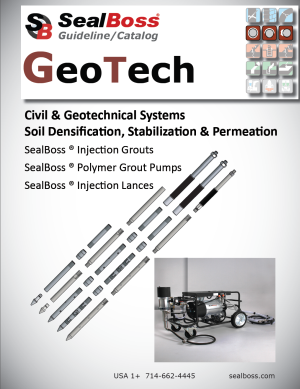
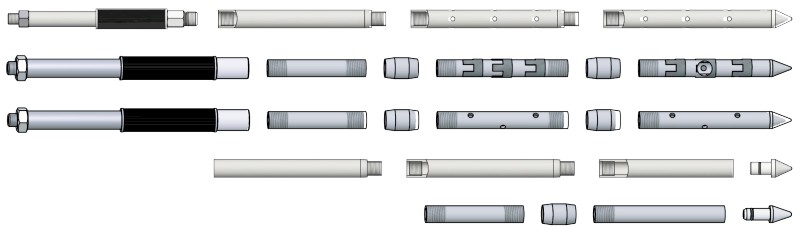
SealBoss Grout Injection Lances for soil permeation and consolidation grouting and curtain injection grouting

This step was crucial for ensuring that the SealBoss FlexGel would be injected precisely where needed. Before the injection of FlexGel, each hole was initially flooded with water using a SealBoss IP495 Pump, specifically dedicated for water injection. This flooding was essential to suspend the strata below and prepare it for the FlexGel injection.

FlexGel Injection: Creating a Waterproof Barrier

Each hole received an initial injection of 3 gallons of water, followed by 1 gallon of FlexGel neat out of a separate dedicated SealBoss IP495 polymer injection pump. A final injection of up to 1 gallon of water through the designated water pump was then administered. During the FlexGel injection, the lance was lifted to create a vertical curtain, effectively wrapping around the found utility bay. Additional material was pumped below the elevation of the bay on either side to flood the cavity between the utility bay and the exterior of the mechanical room, creating a comprehensive waterproof barrier.

Results and Follow-Up

The initial injections were completed within a few hours, but additional cores had to be made to proceed further. A week after the installation, the area experienced heavy rains for three days. The hospital maintenance staff reported that the leak had subsided, marking a successful application of below grade waterproofing using the Curtain/Blanket Injection method with FlexGel.

Conclusion: Below Grade Waterproofing Success

This case study exemplifies the effectiveness of innovative below grade waterproofing techniques in addressing complex water intrusion issues. The use of FlexGel Hydrophilic gel in a Curtain/Blanket Injection method proved to be an efficient solution for a challenging situation, highlighting the importance of choosing the right approach and materials in below grade waterproofing projects. As the construction industry continues to evolve, solutions like these offer hope and reassurance for tackling even the most daunting waterproofing challenges.

Related Links
polymer soil stabilization

Versatile Hydrophilic Polyurethane Foam-Gel
Water activated single component hydrophilic Polyurethane grout. Reacts to a foam with 1 to 3 parts of water added and to a very flexible gel with 4 to 15 parts of water added (by volume). Drinking Water Contact meets NSF/ANSI 61 Section 5 requirements.

  • Larger Projects, Extended Injection
  • Electric Motor
  • Piston System
  • 2500 psi – 1 Comp.
Contact Your SealBoss ® Technician

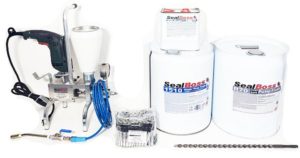
Polyurethane Injection Kit

Polyurethane Injection Kit

Leak Sealing Water Infrastructure Projects Effectively

Introduction:

In large-scale water infrastructure projects, maintaining structural integrity through effective leak sealing is essential. Cracks and leaks in holding tanks, pipelines, and other critical components can compromise the entire system’s efficiency and safety.

A polyurethane injection kit provides a comprehensive solution to these challenges, combining specialized polyurethane grout, durable injection packers, and a portable, high-powered injection machine. Designed to address the demanding requirements of water infrastructure, these kits ensure reliable, long-term repairs that enhance operational stability. This article explores the pivotal role of polyurethane injection kits in large water projects and their effectiveness in achieving lasting leak sealing in complex environments.

polyurethane injection kit 1

For large-scale infrastructure projects like the North Water Treatment Plant in Gilbert, Arizona, sealing leaks in critical areas such as holding tanks is a top priority. This high-stakes project required an advanced polyurethane injection kit to efficiently seal cracks and maintain the plant’s long-term structural integrity.


Using specialized polyurethane grout, injection packers, and a portable injection machine, this comprehensive kit is invaluable for leak repair across diverse climates, from Arizona’s warm, reaction-accelerating conditions to colder environments.

SealBoss 1570 LV Polyurethane Injection Kit: Engineered for Tight Cracks

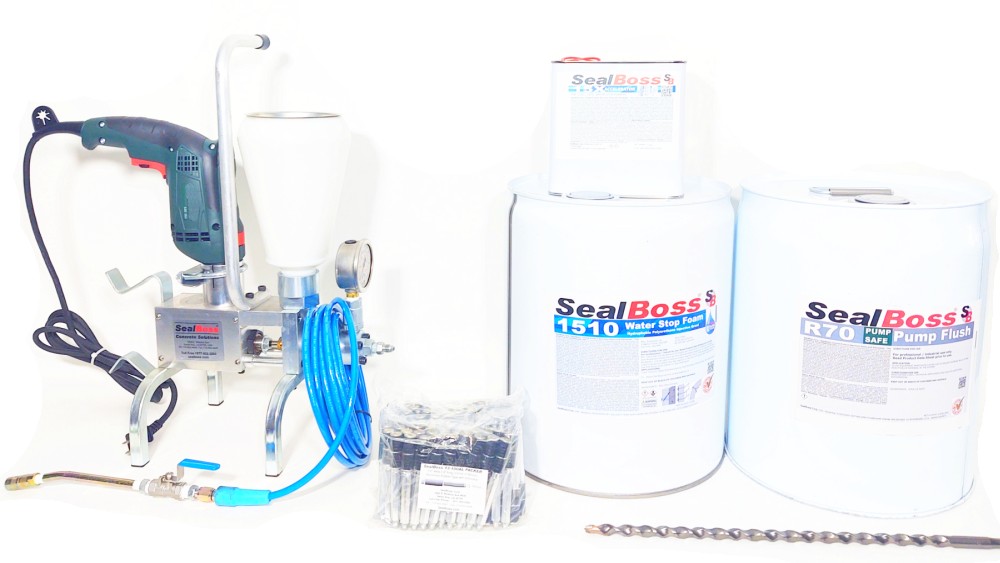
At the core of the project’s leak-sealing success was the SealBoss 1570 LV Polyurethane Injection Kit, renowned for its precision in sealing fine cracks. This kit’s key component, the SealBoss 1570 LV Water Stop Foam, is a hydrophobic polyurethane grout designed to penetrate ultra-tight spaces. Its low viscosity and centipoise allows it to fill the narrowest fissures at low pressure, making this polyurethane injection kit highly effective for infrastructure repairs that require thorough and lasting sealing.

BP-13-100 AL Aluminum Packers: Reliable Components in the Polyurethane Injection Kit

Included in this specific polyurethane injection kit are the industrial grade and economically friendlyBP-13-100 AL aluminum packers, which ensure secure entry points for grout injection. These aluminum packers feature a crucial anti-return valve, helping to control grout flow and enabling precise, port-to-port injection techniques. Known for compatibility with both polyurethane and epoxy grouts, these packers are reliable for various long-term infrastructure repair projects, making the polyurethane injection kit versatile and cost-effective.

P2002 Drill-Operated Injection Machine: Power and Portability

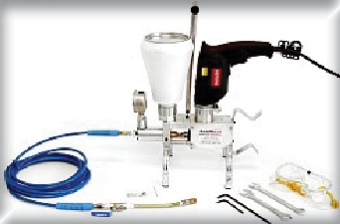
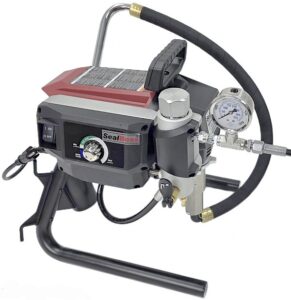
Another key element in the polyurethane injection kit is the SealBoss P2002 drill-operated injection machine. Compact yet powerful, this machine was designed specifically for professional applications where maneuverability is essential. The P2002 machine allowed contractors to quickly and accurately apply grout, making it an essential tool in the polyurethane injection kit for large projects requiring efficiency and reliability.s

Adapting the Polyurethane Injection Kit for Temperature Conditions

Arizona’s warm climate introduced additional challenges, as chemical reactions in polyurethane can accelerate under heat. Adjustments to the injection timing and material preparation helped optimize the polyurethane injection kit under these conditions, demonstrating the importance of environmental planning. With temperature-sensitive materials, even slight adjustments to the process, such as adjusting the use of accelerator SealBoss 15x, can yield optimal results.

Top Benefits of Using a Polyurethane Injection Kit System for Water Infrastructure Projects

Using a polyurethane injection kit offers significant advantages for water infrastructure projects:

  • Optimized Injection System: The polyurethane injection kit combines specialized grout, durable packers, and a reliable pump, creating a fully integrated system designed for optimal performance. This synergy allows for ease of application, controlled flow, and the best possible sealing results, making the process straightforward and efficient for contractors.
  • Precision in Tight Spaces: Low-viscosity polyurethane grouts allow thorough penetration into fine cracks, ensuring lasting repairs.
  • Durability and Flexibility: Polyurethane is highly resilient to water exposure and pressure, ensuring that repairs remain intact over time.
  • Efficient Application: With portable, powerful equipment like the P2002 injection machine, polyurethane grout can be applied quickly and accurately.

Conclusion - Polyurethane Injection Kits

In summary, our various polyurethane injection kits, exemplified by the SealBoss 1570 LV Kit, integrate all necessary components for effective leak-sealing in large-scale water projects.

The North Water Treatment Plant in Gilbert, Arizona, showcases how advanced polyurethane injection kits can enable reliable, long-lasting repairs, highlighting their critical role in preserving essential infrastructure.

Ready to enhance your water infrastructure projects with reliable, long-lasting, leak sealing polyurethaen injection kits?

Discover the benefits of a polyurethane injection kits today. With a fully optimized systems that combines precision grout, durable packers, and a powerful pump, this kit is designed for efficiency, ease of use, and superior results.

Contact SealBoss to learn more about our injection solutions and find the perfect kit for your project needs.

Contact Your SealBoss ® Technician

Manhole Repair – Leak Sealing Injection

Manhole Repair - Leak Sealing Injection

Manhole Repair
Leak Sealing Injection

Manhole Repair Systems

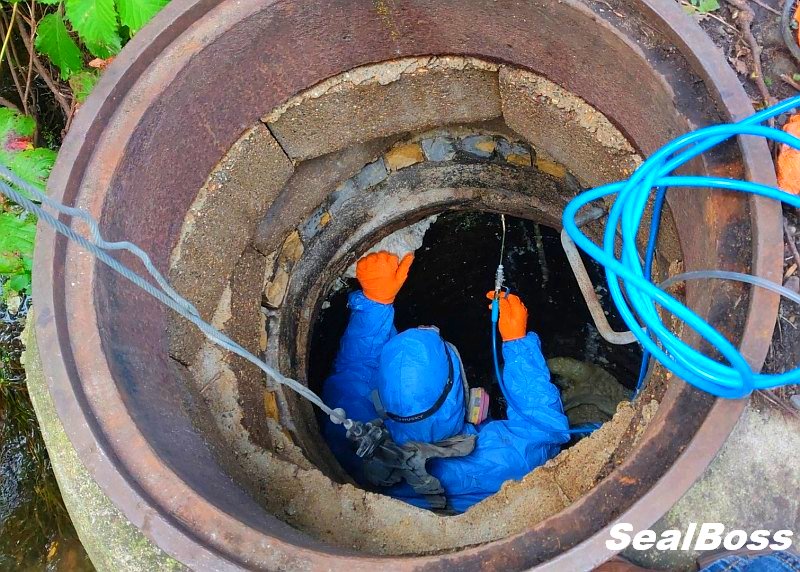
SealBoss provides comprehensive system solutions aimed at rehabilitating manholes and repairing leaks, effectively sealing water leaks occurring via cracks, joints, and annular pipe intrusions. Leveraging our repair systems allows for a considerable extension of a manhole structure’s service life, all the while maintaining cost-effectiveness.

Addressing Manhole Damages and Blockages through Inspections and Repairs

Mitigating Infiltration and Inflow (I/I) in Manholes

Manholes are frequently subjected to I/I, which manifests as infiltration through cracks and joints, and inflow of groundwater. These occurrences can significantly elevate treatment costs and contribute to environmental pollution. Furthermore, they may trigger soil and groundwater contamination, sinkholes, and damage to roads and structures.

To prevent and correct these issues, it is crucial to conduct regular inspections and necessary repairs on manholes.

SealBoss provides a selection of cost-effective systems designed to repair manholes, successfully addressing typical and common forms of damage.

If left untreated, deteriorating and leaking manholes can result in substantial, highly expensive damage to both the environment and infrastructure.

Understanding Sanitary Sewer Overflows (SSOs)

Sanitary sewer overflows (SSOs) represent a pressing environmental and public health issue. These overflows, saturated with untreated sewage, act as conduits for bacteria, viruses, and other pathogens. 

At times, sanitary sewers may inadvertently discharge untreated sewage, leading to what’s termed as an SSO. Such overflows can not only taint our water sources, resulting in significant water quality degradation but also backflow into residential areas. This not only damages property but also poses a substantial health risk to the public.

Factors Leading to SSOs:

  • Blockages in the sewer lines
  • Ruptures or breaks in the sewer lines
  • Structural defects that permit storm water and groundwater to inundate the system
  • Power outages affecting the sewage system’s operations.
  • Flaws in the sewer system’s design
  • Acts of vandalism disrupting the system

According to data from the Environmental Protection Agency (EPA) as of September 2023, it’s estimated that the U.S. experiences between 23,000 to 75,000 SSO incidents annually. This figure excludes sewage backups into buildings, underscoring the gravity of the issue.

Identifying Common Manhole Failure Causes

Several common causes of manhole failure include:

  • Infiltration via precast joints
  • Leakage from precast manhole rings
  • Groundwater intrusion through cracks
  • Infiltration via mortar joints
  • Cracks resulting from shifting soil, traffic load, or soil expansion
  • Fissures due to micro-biological corrosion

Manhole Repair Using Injection Grout


Addressing Different Types of Manholes – Brick, Precast and Combination Manholes

SealBoss Injection Systems are designed to accommodate manholes constructed from a range of materials.

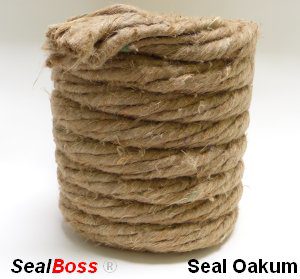
Introducing the ealBoss Seal-Oakum / Oakum Soakum Technique

e recommend having SealBoss Seal-Oakum on-site to effectively plug larger voids and joints. The Oakum Soakum Technique is explained here.

Understanding Basic Repair Procedures

Repairing Manhole Leaks through Larger Cracks and Brick Construction

Here are the steps:

  • Drill through the structure to the outside of the manhole to fill any voids and crate a curtain behind the structure
  • Install Injection Packers
  • Prior to injection, repair wide pipe penetrations using Seal-Oakum
  • Start injection at the bottom

Adressing Manhole leaks through Precast Manhole Rings / Joints

Follow these steps:

  • Drill injection holes into the manhole rings approximately every 60 degrees
  • Install six injection packers. In case of severe leaks, more drill holes/packers may be required
  • Prior to injection, repair wide pipe penetrations and broad ring joints using Seal-Oakum
  • Start injecting process from the bottom

Manhole Inspections and Preventive Maintenance – The Key to Longevity

Regular inspection of manholes is crucial to identify issues early and prevent them from escalating.  Implementing a preventive maintenance program for manholes can prevent costly repairs and extend their lifespan. Regular cleaning, sealing of cracks, and routine inspections can ensure their proper function and prevent I/I.

Innovative System Solutions with SealBoss

SealBoss provides a wide-ranging selection of manhole repair solutions. This includes a variety of injection systems, water-reactive grouts, structural resins, SealBoss Seal-Oakum, along with injection packers and pumps. These tools are designed to confront a broad spectrum of manhole issues, proving their effectiveness across diverse manhole designs and construction materials.

Conclusion

Addressing the issue of manhole damage is essential for efficient sewage management, environmental preservation, and safeguarding infrastructure. Regular inspections, timely repairs, and effective maintenance procedures can help manage these concerns. At SealBoss, we provide innovative and economical solutions tailored to meet these needs.

Experience Hands-On Training with SealBoss P2002 Pro Kit System

We provide comprehensive, hands-on training in the application of high-pressure polyurethane water stop foam injection, using the SealBoss P2002 single-component injection pump, or any other SealBoss Injection System specified.

The equipment and materials used in this training include SealBoss 1510 Water Stop Foam, SealBoss AL 13-100 (½”) high-pressure packers, and SealBoss Seal-Oakum.

During the training, a SealBoss technical expert will be present on-site to provide direct support to the contractor. Our primary goal is to ensure that your work crew gains confidence and comfort in using the application.

TOur training covers the full spectrum of the application process. This includes instruction on pump usage, packer installation, the detailed injection procedure, and the clean-up process. We also educate repair crews on how to apply catalyzed resin-soaked SealBoss Seal-Oakum effectively.

If you have any questions regarding manhole repair, our team of proficient SealBoss representatives is ready to assist. Feel free to contact us to schedule an on-site consultation and comprehensive training on injection systems.

Contact Your SealBoss ® Technician

Leaking Crack Repair

leaking crack repair

Leaking Crack Repair

Coached by a Top Industry Professional

In the world of construction and maintenance, “leaking crack repair” is a term that frequently emerges, particularly when addressing structures that contain water or are vulnerable to moisture and water intrusion. Addressing these cracks swiftly and efficiently is vital for the structure’s safety and durability. 

Sealing the Future – Preserving the Past
Since 1988

Leaking Crack Repair

Coached by a Top Industry Professional

In the world of construction and maintenance, “leaking crack repair” is a term that frequently emerges, particularly when addressing structures that contain water or are vulnerable to moisture and water intrusion. Addressing these cracks swiftly and efficiently is vital for the structure’s safety and durability. 

Sealing the Future – Preserving the Past
Since 1988

The Need for Crack Injection Training

A prominent general contractor, who usually subcontracts such tasks, expressed the need for immediate crack injection training on a specific jobsite. Their primary aim was to acquire the expertise for smaller projects, allowing them to handle leaking crack repair internally on certain timely projects. This proactive approach not only saves time but also ensures that minor issues can be addressed before they escalate.

leaking-crack-repair-sealboss

A Case Study: Water Treatment Tank Crack Sealed

Scope: New Concrete Tank – Water Test Failure – Asses and Seal

The facilities in question comprised three holding cells, separated by two poured-in-place division walls. During a leak test on the outer two tanks, visible cracks were detected. These cracks, deemed non-structural for repair purposes, showed signs of dampness and minor leaks, emphasizing the need for immediate leaking crack repair. Pressure crack injection with a hydrophobic polyurethane expanding water stop foam utilizing an electric injection pump and mechanical injection packers was specified as the method of restoration.

The Repair Process

Materials Used: SealBoss 1570, SealBoss 15x 
Additional Tools:  SealBoss 13-60S packers, SealBoss 495 Injection Pump, Hammer Drill w/ 12” x ½” bit, PPE

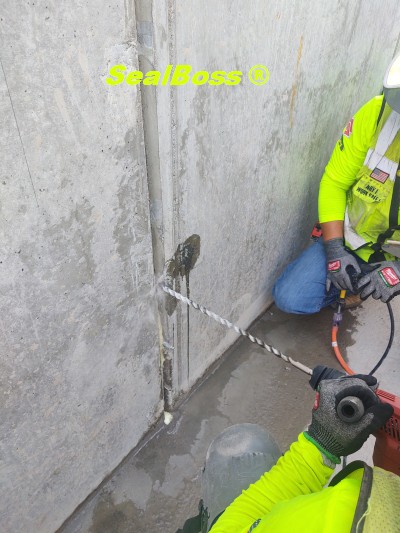
For training purposes, a weeping crack was chosen for repair. This crack, though narrow, spanned about 10 feet in height and meandered across the wall. Given that the newly constructed wall was 14 inches thick, the repair strategy involved guiding the team to drill 5 to 7 inches out from the crack. The drilling was done at a 45-degree angle, aiming back towards the crack, employing the crack stitch method. 

Depth of Intersection: The further the drill hole is from the crack, the deeper it will intersect the crack within the structure. This results in a more profound point of injection.

Considerations for Thicker Structures: A deeper injection point is often preferred in thicker structures. However, the length and reach of the drill bit play a crucial role in determining the optimal distance for the drill hole.

Avoiding Dead-End Drill Holes: A drill hole that misses the crack won’t facilitate the injection of the chemical grout into the structure. Such holes are termed “dead-end drill holes” and are ineffective for the purpose of grout injection.

In summary, while determining the spacing of drill holes, it is vital to balance the desired depth of injection with the capabilities of your drilling equipment to ensure effective grout injection.

leaking crack repair injection packer drilling

To ensure precision, the placement was set parallel to the fissure. A 0.5-inch masonry bit, attached to a hammer drill, was used for the drilling process. Once the clean, crack-intersecting holes were established, SealBoss 13-60S heavy duty steel injection packers were installed.

The repair commenced from the bottom, progressing upwards. The SealBoss 495 injection pump, paired with the SealBoss 1570 NSF/ANSI/CAN 61 drinking water contact certified chemical grout, was used for the leaking crack repair. As the repair proceeded, water and material were observed exiting the substrate. This was a positive sign, indicating effective penetration and successful stopping of the water penetration and sealing of the crack.

Final Thoughts

Leaking crack repair is an essential aspect of maintaining the structural integrity of buildings and facilities. With the right knowledge, tools, and materials, such as those provided by SealBoss Corp., even the most challenging cracks can be effectively addressed. Whether you’re a contractor looking to expand your skill set or a facility manager aiming to maintain your structures, understanding the nuances of leaking crack repair is invaluable. Our SealBoss Water Stop Specialists are always ready to assist you.

Contact Your SealBoss ® Technician

Hydrophobic versus Hydrophilic Polyurethanes

Hydrophobic vs Hydrophilic Polyurethanes

Injection Foams, Resins and Gels

Introduction

Understanding the technical distinctions between hydrophobic and hydrophilic polyurethanes is essential for professionals in the concrete repair and sealing industry. These two types of polyurethane chemical injection grouts exhibit unique behaviors with water: hydrophobic resins repel water, while hydrophilic resins absorb it. This key difference significantly influences their use in various concrete repair and sealing applications. Our guide offers a straightforward comparison to help you select the appropriate material based on the specific requirements of your project.

Hydrophobic versus Hydrophilic Polyurethanes and Acrylic Chemical Grouts Explained

Polyurethane chemical injection grouts can be broadly categorized into two types: hydrophobic and hydrophilic.

The primary distinction between hydrophobic and hydrophilic polyurethane resins designed for injection lies in their interaction with water. Hydrophobic injection resins repel most of the water, whereas hydrophilic injection resins absorb it during their reaction.

Despite their varied reactions to water, both hydrophobic and hydrophilic injection resins are highly effective for sealing and repairing gaps, cavities, and leaks in concrete structures. However, choosing one over the other is not arbitrary; it largely depends on the specifics of the application and the nature of the issue that needs addressing.

By understanding the distinct properties of each material, you can determine the best fit for your particular situation and application.

Hydrophobic Polyurethanes

Hydrophobic versus Hydrophilic Polyurethanes

The term “hydrophobic” comes from the Greek words “hydro” meaning water and “phobia” meaning fear, resulting in a material that repels water. In the case of hydrophobic grouts, they have little tendency to absorb water into their structure.

Hydrophobic, water-activated polyurethane foams , also known as water blown polyurethanes, need just a tiny amount of water to set off the reaction, leading to polymerization and expansion. During the process of polymerization, a small proportion of water interacts with the polyurethane resin, which produces carbon dioxide gas. This gas expands the foam, leading to the creation of a compression seal in a confined space. Any surplus water is forced out during this process.

After curing, hydrophobic foam grouts maintain their shape, size, and volume without being affected by dry cycles within the substrate. Hydrophobic grouts, once cured, produce a foam of varying rigidity and flexibility. Their high foaming property allows for significant expansion in volume, filling large voids with minimal material. This expansion can reach up to 40 times the initial volume.

  • Single Component Hydrophobic Water Stop Foams 
    Water stop and leak-sealing foam grouts are usually available as a single component material, along with an accelerator that can regulate expansion rates, induction, and cure times. These hydroactive hydrophobic foams share similar characteristics. The reaction is initiated only by water or moisture, but once cured, the product remains unaffected by moisture and maintains a constant volume. Since water is not part of the foam structure, the cured material is not affected by water or dryness and does not shrink or swell. These products are also not affected by freeze/thaw and wet/dry cycles.

    Characteristics
    Cured Product: Rigid, Semi-Rigid, Flexible Foam
    Reactive Mechanism: Requires Moisture / Water
    Accelerator Adjusted: Yes
    Elongation Properties: Up to 250%
    Wet/Dry Cycles: Essentially Not Affected
    Adhesive Bond to Substrate: Good
    Application Equipment: Single Component

    – SealBoss 1510
    – SealBoss 1570
    – SealBoss 1570LV
    – SealBoss 1500

  • Dual Component Hydrophobic Fill and Lift Foams
    Dual component foam grouts offering higher structural strength, very short reaction time, and good rigidity are available for void filling and slab lifting applications. These are polyurethanes that do not require any external water to react, but will react in dry and wet environments.

    Characteristics
    Cured Product: Rigid Foam
    Reactive Mechanism: No external Water required
    Accelerator Adjusted: No
    Elongation Properties: Rigid
    Wet/Dry Cycles: Essentially Not Affected
    Adhesive Bond to Substrate: Good
    Application Equipment: Two Component, Plural Component

    – SealBoss 1640 / 1620

  • Dual Component Hydrophobic Super Low Viscosity Resin
    The dual-component injection resin cures into a non-cellular and flexible product. It has excellent penetration properties in fine and hairline cracks and has an adjustable reaction time. Unlike some other resins, this two-component polyurethane resin does not require external water to initiate the reaction. It can react in both dry and wet environments.

    Characteristics
    Cured Product: Non-cellular flexible Leak Sealant
    Reactive Mechanism: No external Water required
    Accelerator Adjusted: 1400 Catalyst
    Elongation Properties:  100%
    Wet/Dry Cycles: Essentially Not Affected
    Adhesive Bond to Substrate: Good
    Application Equipment: Single Component, Two Component

    – SealBoss 1403 SLV

Hydrophilic Polyurethanes and Acrylics (Acrylates)

Hydrophobic versus Hydrophilic Polyurethanes 2

The term “hydrophilic” comes from the Greek words “hydro” meaning water and “philia” meaning love, referring to a material that readily absorbs water into its structure and can form gels. Hydrophilic grouts absorb water molecules during the reaction and polymerization, resulting in a highly flexible product.

These grouts can accommodate movement during expansion and contraction cycles. While hydrophilic grouts may dehydrate and shrink to some extent based on the amount of water absorbed, in most applications and environments, the surrounding concrete or soil’s moisture content and humidity are typically high enough to keep shrinkage to a minimum. Hydrophilic resins can achieve excellent bonding with wet concrete as they penetrate deeply into the pores and hairline cracks.

  • Single Component Hydrophilic Foam /Gel
    Water initiates reaction and either forms a foam or gel based on water absorption. The product is capable of absorbing and incorporating water post cure, thereby swelling and forming a waterproofing flexible gel or foam.

    Does FlexGel Hydrophilic Resin Shrink in the Absence of Water when used for Crack Injection?
    When used as a single component injection grout, and without water mixed into the product prior to crack injection, FlexgGel will reject excess water similar to a hydrophobic polyurethane foam grout – resulting in a cured product of low water content. FlexGel Injection Rubber product will perform in line with the hydrophobic grouts. Please refer to data sheet for details.

    Characteristics
    Cured Product: Foam or Non-cellular flexible Gel
    Reactive Mechanism: Requires Moisture / Water
    Accelerator Adjusted: No
    Elongation Properties:  100% to 1000% (Foam or Gel reaction)
    Wet/Dry Cycles: Water loss and contraction in dry cycles — based on initial water content
    Adhesive Bond to Substrate: Excellent
    Application Equipment: Single Component, Two Component

    – SealBoss FlexGel

  • Plural Component Hydrophilic Acrylic / Acrylate Gel
    Multi component product where water is incorporated in large amounts to form a highly flexible gel. Super low viscosity, poly acrylate gel with accelerator. The product offers outstanding penetration properties similar to plain water. Used for Tunnels, Mining, Curtain Injection.

    Characteristics
    Cured Product: Flexible Gel
    Reactive Mechanism: Water added to mixture
    Accelerator Adjusted: Yes
    Elongation Properties:  250%
    Wet/Dry Cycles: Water loss and contraction in dry cycles
    Adhesive Bond to Substrate: Very good
    Application Equipment: Multi Component, Plural Component Gel Pump 

    – SealBoss 240 SLV SealGel Acrylate

Related Articles

Learn More
We encourage you to contact us at 714-662-4445 if you have any queries or require assistance. Alternatively, you can request to be contacted through our website. Our team of knowledgeable and experienced technical representatives can provide on-site support upon request, and we are dedicated to helping you find the best solution.

Contact Your SealBoss ® Technician

Restoration Waterproofing

Restoration - Waterproofing

Restoration – Waterproofing with Injection Resins, Gels, and Foams

Restoration waterproofing projects represent a mix of various complex tasks, each with its unique set of challenges. The first crucial step is identifying the root source of the water infiltration, which at times can be a difficult process.

Diagnosis

A correct leak diagnosis might necessitate various steps, such as performing visual inspections of the inside and outside of the structure, examining the surrounding conditions, conducting flood tests, utilizing dye testing, creating mock-ups, and removing paints and finishes. 

Setting Defined Objectives

Before starting a restoration waterproofing project, it is crucial to clarify the goals and expectations for every party involved.

It goes without saying that the primary aim of such a venture typically revolves around halting water intrusion. There are many techniques and products that can be used for this, such as polyurethane injection foams, gels, and resins, as well as acrylate injection gels and even epoxy resins in some circumstances. These methodologies come with their individual costs, levels of site disruption, and project timetables. It is essential that all of these elements are thoroughly considered and presented to the end customer, facilitating an informed decision-making process.

Understanding Water Movement and Migration

It is indispensable to understand some key concepts related to water migration and movement around and within soil,  structures, voids, joints, and cracks.

Water is Not Always Visible

The obvious appearance of a leak in a specific location does not definitively imply that other areas are devoid of water ingress. Water invariably seeks the path of least resistance, typically navigating towards any openings, fissures, and low spots. Upon remediation of these lower areas, the water may find its way to other compromised zones.

Leak Detection Techniques

The leak detection process is further complicated if the repairs are undertaken during a period of relative dryness. Under such circumstances, leak migration might not become evident until the advent of the next rain event. For more controlled testing, it may be advisable to deliberately flood the surrounding area, creating conditions that could induce a leak at the time of inspection and repair. Conducting flood testing before, during, or after the repair work can contribute significantly towards pinpointing any areas where the leak may have migrated. Executing waterproofing repairs amidst active leaking can effectively help identify and repair leak migration issues.  

Restoration Waterproofing Products 

Polymer injection foams, resins and gels serve as viable solutions in restoration waterproofing. Their superior qualities make them ideal for sealing leaks, even in wet environments. Polyurethane foams are adept at sealing large leakages, both in volume and speed, expanding upon contact with water to block infiltrations effectively. On the other hand, super low viscosity resins and gels ensure a long-lasting solution for smaller, more intricate leaks, seeping into hairline cracks and curing to provide a waterproof seal. Implementing curtain injection behind a structure can effectively generate a waterproof, membrane-like barrier, thus sealing wet and damp spots within concrete and masonry structures.

At times, epoxy resins may be required to restore structural integrity, even in wet or damp conditions. For an in-depth comparison between epoxy and polyurethane injection, please refer to the detailed information provided here.

In Conclusion

Remedial restoration waterproofing is often an iterative, exploratory process that might necessitate adjustments along the way. Setting realistic expectations, keeping open lines of communication among all involved parties, and maintaining a keen eye for detail are important to the efficient and successful execution of a waterproofing process.

A well-executed waterproofing restoration can add years to the lifespan of a structure, safeguarding it against potential damage and preserving its aesthetic and functional value.

Leak Sealing Foam Grout
Water Stop Foam Grout
Hydrophobic Injection Foam Grout

Our #1 Selling Polyurethane Injection Foam
Water Cut-Off Injection Grout
1510 PU Foam & Oakum Pipe Plug Kit

Leak Sealing Foam Grout
Water Stop Foam Grout
Hydrophobic Injection Foam

Flexible Polyurethane Injection Foam
Flexible Foam, Water-Activated chemical grout. 

Leak Sealing Foam Grout
Water Stop Foam Grout
Hydrophobic Injection Foam

Super Low Viscosity Polyurethane Injection Foam,
Water-Activated chemical grout. Drinking Water

Accelerator for SealBoss Single Component Injection Foams

Accelerator For 1510/1570 PU Injection Foam. Adjust foam gel-time and foam expansion from low foaming to high foaming depending application.

Leak Sealing Injection Resin
Super Low Viscosity PUR Injection Resin

Two Component Flexible Resin
The solution for wet and dry surfaces and moving cracks. Extremely low viscosity for superior penetration in hairline crack injection.

Leak Sealing Injection Gel
Hydrophilic Injection Foam Gel
Hydrophilic Gel

Versatile Hydrophilic Polyurethane Foam-Gel
Water activated single component hydrophilic Polyurethane grout. 

Leak Stop
Leak Sealing
Acrylate Gel
Acrylic Gel

Poly Acrylate Gel
Hydrophilic poly-acrylate gel / acryclic gel for soil stabilization, curtain-injection, infusion bladder injection into structures and to seal degrading masonry grout.

Contact Your SealBoss ® Technician

Pool Crack Repair

Pool Crack Repair

Swimming Pool Crack Repair


Introduction

Discover the definitive solution for swimming pool crack repairs with our SealBoss Polyurethane Injection Foam Pool Crack Repair Products and Kits.

Our professional-grade crack injection method offers a permanent, robust solution that extends beyond mere cosmetic fixes.

Utilizing high-density, NSF/ANSI 61 certified polyurethane foam, our system not only seals but strengthens pool structures, ensuring a long-lasting repair that withstands environmental stress and hydrostatic pressure.

Perfect for concrete, gunite, shotcrete, and pebble tech finishes, this method delivers both functionality and aesthetic satisfaction, providing peace of mind to pool owners. 

Cause of Damages

Pool cracks caused by the settlement of back fill, poor soil condition in general and stressed concrete can lead to leaks, worsening structural damages and water related damages to nearby structures.

Swimming Pool Crack Repair Solution

Contrary to the misconception by some pool owners that crack injection just provides a temporary patch-up, professional water stop leak sealing injection repair actually provides a lasting fix.

This method makes use of a high-density polymer foam, which holds the NSF/ANSI/CAN 61 Certification, validating its safety for interaction with drinking water. During the injection phase, the foam product effectively penetrates deep into the structure while sealing every crevice and crack in the process.

As the polyurethane foam encounters moisture, it expands, infiltrating each crack and crevice during the pressure injection process. This ensures that it effectively plugs the full thickness of a concrete pool wall, making for a comprehensive repair.

Once it cures, this inert, waterproof resin maintains its volume and remains flexible, unaffected by standard ground movements and temperature fluctuations. Therefore, the possibility of shrinkage, a common issue with other solutions, is not a concern. This method of repair is built to last, providing you with a durable and reliable fix for your concrete structures. This ensures that they can satisfy both functional requirements and aesthetic preferences.

SealBoss Polyurethane Injection Foam Pool Crack Repair Products and Kits permanently repair leaking cracks and joints in concrete, gunite, shotcrete and pebble tech finished swimming pools and spas.

Negative Side Crack Injection is Conveniently Performed from the Inside of the Structure

For this type of Leak Sealing Repair, SealBoss Pool Crack Repair Kits provide an effective, easy to use water stop / leak sealing crack repair solution by creating an airtight and watertight hydrophobic seal that repels water once cured. Polyurethane injection foam systems are designed to work in wet environments.

The pool leak sealing repair kit includes a SealBoss P2002 high-pressure injection pump, SealBoss 1510 hydrophobic resin with 15x catalyst and SealBoss mechanical Injection Packers which when used together allows the user to displace the hydrostatic pressure and fill the crack with a foam that reacts from the moisture present.

Key Features:

  • Permanent swimming pool crack repair for leaking concrete, gunite, shotcrete and pebble tec finished pools and spas
  • Permeates into cracks and fissure, plugging the entire thickness of the concrete
  • SealBoss 1510 high-density, hydrophobic polyurethane foam expands — creating a compression seal
  • NSF/ANSI 61 Drinking Water Contact Certified

Pool Crack Repair – Water Stop & Leak Sealing Injection Pro Kit

  • Injection Resin: SealBoss 1510 w/ 15x Accelerator | NSF/ANSI 61 Drinking Water Contact Certified
  • Injection Packers: 1/2” 13-100 Evolution Aluminum Packers
  • High Pressure Pump: P2002 Single Component Injection Pump
  • Cleaning: R70 Pump Flush

Structural Repairs and Inspections

While in most cases PU injection is the repair of choice to permanently seal water bearing cracks in concrete structures, there is sometimes the need for a structural repair. 

For structural repairs, please refer to the SealBoss Epoxy Injection System and Epoxy Repair Kits. You may also want to read our Epoxy versus Polyurethane article for in-detail information.

Please be advised that any underlying and all ongoing causes of structural damages, formation of cracks and settling — including, but not limited to, back fill settlement and poor soil density — should be investigated by a specialist and corrected, if deemed necessary. For additional information on Swimming Pool Soil Settlement click here.

Contact Your SealBoss ® Technician

Leaky Basement Repair

Leaky Basement Repair

Leaking Basement Repair Injection System

Home Leak Repair 

Introduction

Water damage in a basement can harm your home’s value and safety. Leaks lead to mold, pests, and structural issues. SealBoss Leak Sealing Foam injection is an effective solution, sealing cracks and joints to create a watertight barrier. This article details a case study using this method to permanently fix basement leaks, offering a reliable approach for homeowners and contractors.

How to Fix a Leaky Basement

Water damage is a serious issue that can have devastating effects on your home. Not only does it decrease the value and livability of your property, but it can also compromise the structural integrity of your home. A leaky, damp basement is particularly concerning, as it creates a breeding ground for harmful mold and bacteria that can cause health issues for you and your family.

In addition, a damp basement can attract pests such as termites and rodents, causing further damage and infestations. It’s crucial to address any water damage in your basement as soon as possible to avoid these issues and prevent them from escalating. With the right tools and procedures, you can successfully mitigate basement leaks and protect your home from further damage.

Cracks and Cold Joints are Known Areas for Basement Leaks to Occur

Unsealed cracks and cold joints in your basement, or any below grade spaces, can be a major source of water damage, as they provide an easy pathway for water to enter your home. This can result in flooding, which not only damages your belongings but also compromises the structural integrity of your home. In addition to damaging walls, coverings, furniture, and storage items, water can also cause electrical hazards and increase the risk of fires.

Common Causes for Concrete Foundation Leaks and Wall Cracks

Concrete wall cracks, especially in basements, can be caused by a variety of factors that compromise the integrity of the structure and allow water intrusion. Here are some common causes:

  • Inadequate Construction
    – Insufficient Material Quality: Using substandard materials or improper mixing ratios can weaken the concrete, making it more prone to cracking.
    – Poor Waterproofing: In new homes, improper waterproofing techniques can lead to leaks and cracks.
  • Deteriorating and Stressed Concrete
    – General Wear and Tear: Over years, concrete naturally deteriorates due to environmental factors, resulting in the formation of cracks.
    – Thermal Expansion and Contraction: Exposure to repeated cycles of heating and cooling causes concrete to expand and contract, leading to cracks over time.
  • Soil Related Problems
    – Low Compaction and Consolidation: Inadequately compacted soil beneath the foundation can shift, leading to structural instability.
    – Erosion: Water erosion can wash away the soil supporting the foundation, causing it to settle unevenly and crack.
    – Freeze/Thaw Cycles: Water in the soil can freeze and expand during cold weather, then thaw and contract in warmer conditions. This cycle exerts pressure on the foundation, causing it to crack.

How do I Stop my Basement from Leaking?

There are many methods to mitigate basement leaks. The construction of the basement and environmental factors have to be considered when choosing the right products and procedures, and it is always advised to consult a professional in the process.

One solution that has been successfully used for over thirty years is the SealBoss Leak Sealing Foam injection system. This system seals leaking basement cracks and cold joints by injecting a foam that expands to fill and seal the gaps, creating a watertight barrier. This method is effective, long-lasting, and cost-efficient, making it a popular choice for homeowners and contractors alike.

Leaky Basement Repair – Joint and Void Filling Injection

Scope

A homeowner faced persistent basement leakage through cold joints where the wall meets the floor.

Previous repair attempts by a contractor using crystalline products and epoxy coatings had failed, resulting in water pooling on the floor after heavy rains.

In search of a permanent solution, the homeowner sought to prevent further water intrusion into the basement.

Leaky Basement Repair – Detail

A SealBoss technical representative was called to provide expertise on sealing the basement leaks.

Upon careful examination of the job site, it was discovered that the basement floor was approximately 8 inches thick and was poured slightly deeper towards the walls. The source of the leakage was identified as the cold joint between the wall and the poured slab.

Repair System

SealBoss 1510 Water Stop Foam was chosen as the preferred leak sealing injection product to provide a permanent solution. The product would be injected through SealBoss injection packers using the SealBoss P2002 injection machine, a compact, lightweight, and quiet pump ideal for this application.

Procedure

1. Drilling the Slab

  • The slab was drilled with half-inch holes spaced one foot apart, parallel to the wall, and ten inches from the wall.
  • The holes were drilled at a 90-degree angle and full depth into the slab.
  • After drilling each hole, the presence of heavy substrate saturation along the wall was confirmed by water filling the hole, indicating a void beneath the slab that needed to be filled with foam during the injection process.


2. Setting the Packers

    • Once all the holes were drilled, packers were placed at half depth and only hand-tightened for easy removal during injection.
    • The injection process began on the side closest to the crawl space’s stub foundation wall.
    • The first packer was loosened, placed at full depth, and retightened, while the next packer in line was removed to allow for a path of less resistance for any displaced water or soil to escape from below and provided visibility for material travel.


3. Injection Process:

    • Each packer was injected until catalyzed foam was observed coming out of the adjacent hole.
    • The packer was reinjected a second or third time until refusal or sufficient pressure buildup.


Leaky Basement Repair


Leaky Basement Repair – Conclusion

This combined joint injection and void filling injection procedure proved to be the most effective method for sealing the basement leaks 

efficiently and permanently. The use of SealBoss 1510 Water Stop Foam, along with precise drilling and injection techniques, ensured that the cold joints and voids were thoroughly sealed, providing a lasting solution to prevent water intrusion.

Additional Tips for Homeowners and Contractors

  • Regular Inspection:
    Periodically inspect basements, especially after heavy rains, to detect early signs of leakage.
  • Proper Drainage:
    Ensure proper exterior drainage systems, such as gutters and downspouts, are in place to divert water away from the foundation.
  • Professional Consultation:
    Consult with experienced professionals for thorough assessments and tailored solutions for basement waterproofing.

By following these steps and employing advanced sealing techniques, homeowners and contractors can effectively address and prevent basement leakage, ensuring a dry and secure living space.

Materials and Tools Used

Leaky Basement Repair Related Articles

Learn More

Feel free to contact us at 714-662-4445 if you have any inquiries, or simply fill out our request form for us to get back to you. Our team is eager to assist you in finding the right solution for your needs. In addition, we offer on-site support from our expert and experienced technical representatives, which can be arranged upon request.

Contact Your SealBoss ® Technician

Culvert Repair – Leak Sealing Injection

Introduction

Culverts are essential infrastructure components that facilitate water flow beneath roads and railways, preventing flooding and erosion. However, leaks and structural damage can compromise their functionality, posing environmental and infrastructural risks. Learn how innovative repair systems, employing injection techniques and grouting methods to seal leaks and stabilize surrounding soil, can be utilized to repair culverts economically and effectively.

This quick guide explores the significance of maintaining culvert integrity through advanced repair solutions, highlighting the importance of addressing leaks and cracks to ensure the longevity and reliability of these underground waterways.

What exactly is a Culvert?

Functioning like underground tunnels, culverts are subterranean waterways, enabling the movement of water from one side of a roadway or another type of traffic embankment to the other side.

From an aerial view, a culvert might be also likened to a bridge, purposefully crafted to enable the transit of vehicles or pedestrian traffic over a water passage.

Various materials can be employed to construct culverts, such as corrugated steel pipe, reinforced concrete, or other suitable materials.

SealBoss Culvert Repair Systems

SealBoss delivers comprehensive solutions for the rehabilitation and leak repair of culverts, effectively sealing water seepage through cracks and joints.

Moreover, the SealBoss Culvert Repair Injection Systems are designed to fill any existing voids in the soil that surrounds the culvert and to stabilize any loose soil that may impair the traffic embankment above it. This is accomplished using permeation grouting techniques, which make use of low viscosity polymer foam resin, grout injection lances and appropriate pumping equipment.

With our repair systems the service life of a culvert structure can be extended at reasonable cost.

Culvert Damages and Inspections

Culverts, also known as storm culverts, are tunnel-like structures designed to enable water to flow beneath obstructions such as roads, railways, or trails. Typically enveloped by soil, these culverts, when compromised by leaks, can contribute to soil erosion and the formation of sinkholes, thereby potentially damaging the overlying structures.

SealBoss presents a range of cost-effective solutions for repairing culvert leaks and stabilizing soil permeation. These systems are designed to effectively address water leakage through cracks and cold joints, as well as the accompanying issues of soil erosion.

Failure to address deteriorating and leaking culverts can result in significant, potentially dramatic damage and risk to both the environment and infrastructural elements.

Culvert Repair using Injection Grout – 
Applicable to Precast Pipe, Reinforced Concrete and other Material Culverts

SealBoss Injection Systems offer a versatile solution, suitable for culverts constructed from various materials.

Depending on the design and job site conditions, hydro-active grouts can be either directly injected into the concrete structure to seal cracks and voids, or introduced into the soil behind the structure. The latter method creates a waterproof curtain, fills voids, and permeates the soil to achieve stabilization and compaction.

Culvert Leak Repair from the Inside of the Structure

  • Crack & Joint Repair in Thick Concrete Culvert Structures – Drill into the structure in an angle
  • Curtain Injection / Soil Permeation – Drill through the structure to the outside of the culvert to fill the void and crate a curtain behind the structure
  • Set Injection Packers
  • For Soil Permeation Grouting use Injection Lances
  • Repair wide pipe penetrations with Seal-Oakum prior to injection
  • Start injection at the bottom if applicable
  • SealBoss Seal-Oakum /  Oakum Soakum Technique
    Always have SealBoss Seal-Oakum at the jobsite to plug larger voids and joints. The Oakum Soakum Technique explained here.

Culvert Leak Repair from the Outside  

  • If inaccessible, inspect culvert using survey camera equipment for leaks and damages
  • Map out and mark injection locations on the accessible structure above the culvert
  • Set Injection Lances to specification
  • Start injection to specification

SealBoss Culvert Repair System Training

We offer in-depth training on the application of high-pressure polyurethane water stop foam injection, using various SealBoss tools such as Injection Pumps, Hydro-Active Grout Systems, Injection Packers, Injection Lances, and Seal-Oakum.

A technical specialist from SealBoss will be present on-site to provide training and assistance to the contractor, with the ultimate aim of creating a work crew that feels confident and at ease with the application process.

The training will cover the use of pumps, setting up packers, and the injection procedure, including cleanup activities. Contractors will also be taught how to apply the catalyzed resin-soaked SealBoss Seal-Oakum.

Should you have any queries regarding culvert repair, feel free to reach out to our team of skilled SealBoss representatives. We can schedule an on-site consultation and provide comprehensive training on our injection systems.

Contact Your SealBoss ® Technician

Recent Posts

More Posts

Archives
Categories
Scroll to Top