Search

SealBoss News / Blog

Parking Garage Crack Injection | Leak Sealing Repair

Parking Garage Crack Injection

Structural and Leak Sealing Repairs

Introduction:

For effective and long term parking garage crack injection repair, the use of specific injection products for waterproofing and structural crack repair is pivotal.

For leak sealing, polyurethane foam resins, hydrophilic gels, and acrylate / acrylic gels are commonly employed. These resins, when injected, either react with water to form a foam that expands or create a gel product respectively, filling voids and sealing against further water ingress. This method not only prevents water penetration but also adds to the structural integrity of the parking facility.

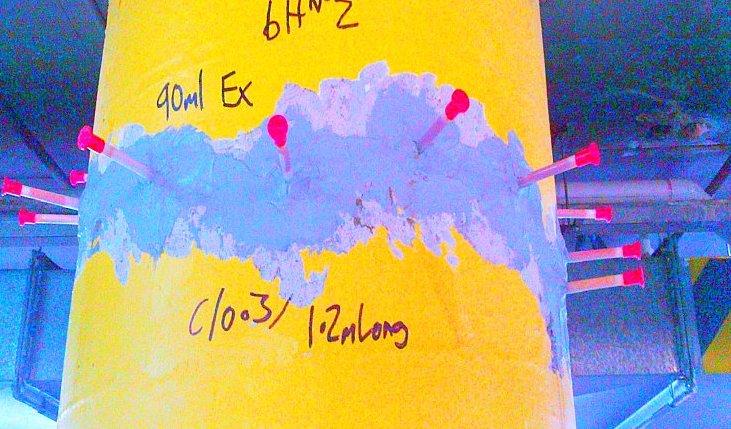
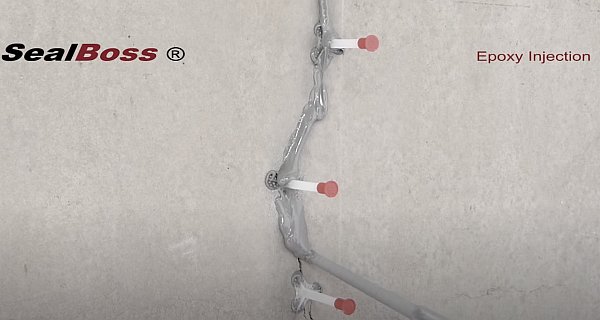
On the other hand, for structural strength crack injection, epoxy resins are predominantly used. These resins are known for their high-strength bonding capabilities, effectively sealing cracks and restoring the concrete’s original strength. Epoxy resins are particularly advantageous in load bearing environments, providing strength and restoring the concrete’s structural integrity.

Both types of injection product groups are crucial in extending the lifespan of parking structures, ensuring they remain safe and functional for daily use.

Parking Garage Crack Injection Technology

For over three decades, SealBoss Crack Injection Systems have been at the forefront of providing effective solutions for structural repairs and sealing leaks in cracks and joints within parking garage structures. These systems have proven successful in not only preventing water ingress but also in preserving the integrity and functionality of parking facilities.

Parking Garage Crack Injection Leak Sealing Repair

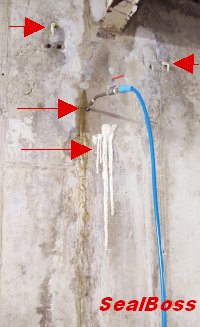
Parking Garage Crack Injection Leak-Seal RepairInjection of concrete parking structure in St. Louis, Missouri using the SealBoss Water Stop System

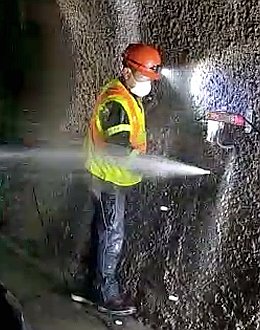
How to Seal Leaks in Voids, Cracks, Joints, and Seal Around Beams

In a technical support role for a leading infrastructure repair company, the job often involves providing assistance to clients on a wide array of repair projects. These projects range across a diverse spectrum, including concrete repair, waterproofing, slab lifting, soil stabilization, and permeation grouting.

Recently, there was an instance of providing consultation to a contractor. The focus was on addressing water leaks by injecting materials into voids, cracks, joints, and beam pockets that had previously been treated with mastic grout.

The area where the leaks persisted were directly below the sidewalk where the concrete meets the asphalt driveway.  After inspecting the above ground conditions closely it was determined that the main source of the water intrusion were gutter downspouts. There were no drains installed to manage the directional flow of rainwater away from the structure.

Now that the source and path of water ingression had been established, polyurethane pressure injection of the affected areas was confirmed to be the correct solution to seal the leaks. 

The first areas that needed to be sealed were leaking beam pockets which had been previously filled with a mastic patch grout. Over a 30 year period there had been multiple previous attempts by various contractors to repair the leaking areas. No records were available on the various works that had been performed.

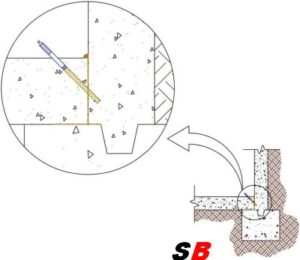
It was decided to inject through the wall to the back side of the structure to cut off any water before it could find its way into the beam pockets. This method combines void fill and permeation grouting as product is injected beyond the structure into a space that in this instance is confined by concrete / steel, asphalt and dirt. As the foam disperses under pressure injection and during expansion, it partially migrates / permeates also into the dirt further enhancing the ability to seal the void.

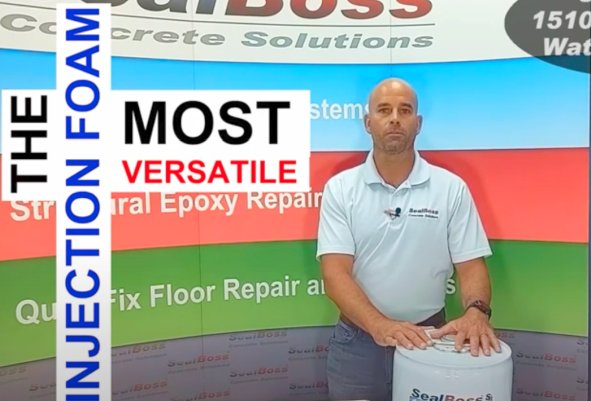
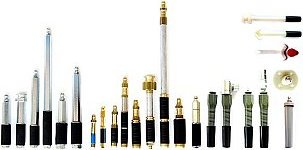
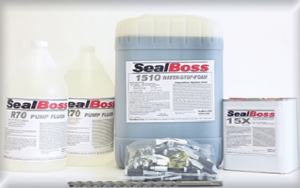
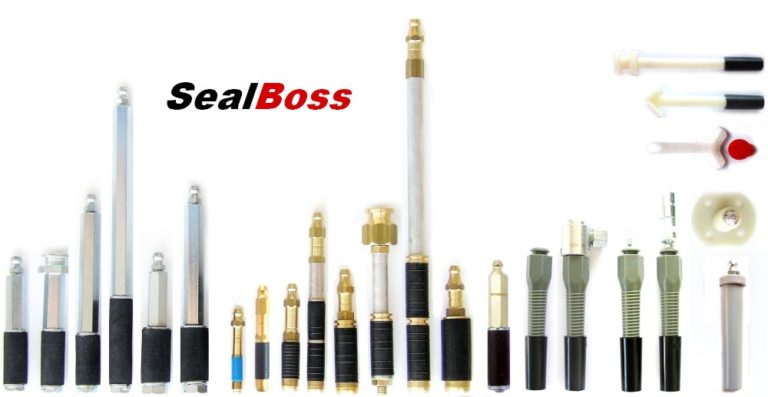
Using two strategically placed SealBoss Evolution 13-100 AL packers, the contractor injected 1510 Water Stop Foam, catalyzed with 10% 15x Accelerator,  at several intervals, permitting the resin to expand to a dense foam creating a seal and protecting the beam pocket from any water intrusion from behind the wall. 

The injection process was monitored from the inside and outside and the contractor stopped injection once air bubbles and water were observed coming up through the asphalt driveway. Expanding foam displaced water in the affected area. Injection was continued at a slow rate until water displacement  finished and increasing resistance indicated full penetration.

Next, the contractor injected all visible and leaking cracks some of which at one point had been injected with a structural / rigid epoxy which had failed. Reason of epoxy failure was determined as either lack of bond due to actively leaking cracks during epoxy injection and/or failure due to crack movement such as contraction and expansion. Polyurethane injection is the preferred method to address actively leaking and water bearing cracks, especially in areas where structural repairs are not necessary. The two foot thick wall was injected with 1510 leak-seal foam in intervals till the crack showed refusal of the resin.

Epoxy Versus Polyurethane Comparison – click here.

On-site support from knowledgeable and experienced technical reps is available upon request, I personally cover from North Dakota and Minnesota down through Texas.  Call us with any questions, we look forward to helping you find a solution.

Materials and Tools Used

Related Articles

Structural Parking Garage Repairs with High Strength Epoxy Resins

Learn More

Please don’t hesitate to call us at 714-662-4445 with any questions, or request to be contacted here, we look forward to helping you find a solution. On-site support from knowledgeable and experienced technical reps is available upon request.

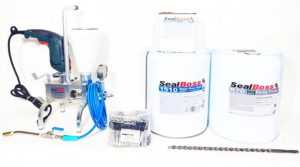
Check out our Leak Sealing Repair Kits.

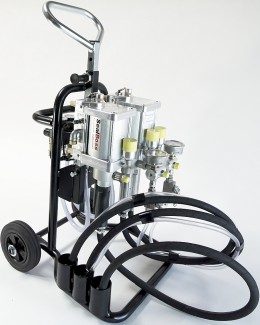
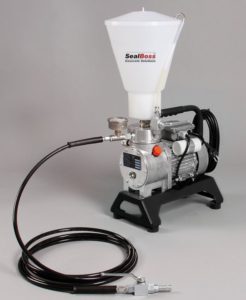
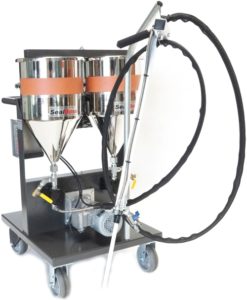
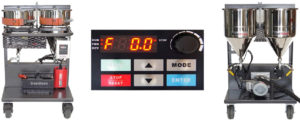
  • Polyurethane Grout Injection Pump
  • Polyurethane Foam Injection Pump
  • Easy To Use
  • Easy To Cean
  • Easy To Maintain
  • Modular, Compact &
  • Sturdy Design
  • Single Component
  • Electric Drill Operated
  • Heavy Duty For Daily Use
  • Pressure Gauge, Hose Set, Hopper Included
  • Recommended For Beginners & Injection Pros
  • > 5000 PSI Injection Pressure Possible
Contact Your SealBoss ® Technician

Retaining Wall Repair

Retaining Wall Repair

Injection Methods Compared
retaining wall repair

Understanding Retaining Wall Repair:

Polyurethane vs. Epoxy Injection Methods

Retaining walls play a pivotal role in infrastructure and landscape, offering both functional support and aesthetic appeal. These structures, while robust, are susceptible to environmental factors and age related weakening that can lead to cracks, spalls, water leakage, or other forms of structural damage.

Addressing these issues promptly and effectively is crucial to ensure the longevity and safety of the wall. In the realm of deep penetrating, effective sealing and high strength structural retaining wall repairs, two methods have emerged as frontrunners: Polyurethane and Epoxy injection.

This overview explores the intricacies of both methods, comparing their advantages, applications, and effectiveness to guide you in making an informed decision for your retaining wall repair needs.

SEALBOSS PU ICON

Retaining Wall Repair
with Leak Sealing Polyurethane Water Stop Foam Injection

Retaining walls serve as crucial components in construction projects, especially when dealing with slopes or elevated terrains. Their primary function is to combat soil erosion and bolster the stability of structures by resisting the pressures of soil and water. Yet, like all structures, retaining walls are prone to wear and tear, often manifesting as water leakage and subsequent erosion.

Enter polyurethane injection, a game-changer in the realm of retaining wall repairs. This method stands out not only for its efficacy but also for its cost-efficiency. Unlike traditional repair methods that might involve extensive excavation, the use of heavy machinery, or prolonged construction periods, polyurethane injection offers a swift and minimal-disruption solution. The essence of this method lies in the foam grout injected, which forms a resilient waterproof barrier, crucial for walls constantly exposed to moisture and hydrostatic pressure.

At its core, polyurethane injection foam is engineered to expand upon water contact. Typically, this foam is introduced into cracks or voids within a structure. Upon encountering water, a chemical reaction is triggered, causing the foam to swell and occupy the space. This unique expanding property is invaluable for tasks like leak sealing, ensuring that the foam aptly fills gaps and halts further water penetration.

The combination of low viscosity, fast expansion and curing, flexibility, good chemical resistance and adhesion, make polyurethane injection foam grout an effective choice for leak seal and water stop injection applications.

Here are some advantages of using PUR foam for stopping water migration through retaining walls:

  • Cost-effective — Polyurethane injection is a cost-effective solution for repairing a leaking retaining wall. It requires less labor, time, and materials compared to traditional methods of repair, such as excavation and replacement
  • Water Stop Leak Sealing and Waterproofing — The injected polyurethane resin expands on contact with moisture and creates a waterproof compression seal that prevents further water infiltration into the retaining wall
  • Minimal-Invasive — Polyurethane injection requires minimal disruption to the surrounding area, making it a convenient solution for homeowners and business owners. It does not require excavation, heavy machinery, or lengthy construction timelines
  • Quick — Polyurethane injection can be completed quickly compared to traditional methods, minimizing the time that the retaining wall is out of commission and minimizing disruptions to daily activities
  • Durable — The injected polyurethane resin creates a strong and flexible bond with the concrete surface, making it a durable and long-lasting solution for sealing a leaking retaining wall

Summary

Polyurethane injection is a cost-effective, waterproof, minimal-invasive, quick, durable, versatile, and eco-friendly solution for sealing a leaking retaining wall. If you are facing a leaking retaining wall, consider using this method for an efficient and effective repair solution.

Leak Sealing System
SEALBOO-1510-VIDEO
SB 1510 Foam
sealboss-packers
Injection Packers
Injection Packer Spacing SealBoss Grout
PUR vs Epoxy
SEALBOSS EPOXY ICON

Retaining Wall Repair
with Epoxy Resin Injection For Structural Strength

Retaining walls play an indispensable role in both landscape and infrastructure, acting as bulwarks against soil erosion and providing essential structural support. Yet, like all structures, they are vulnerable to the elements, facing challenges like natural degradation, water-induced damage, and the relentless pressure from the soil. Over time, these factors can result in cracks, voids, and other structural concerns. Left unaddressed, these issues can jeopardize the wall’s stability and safety. This is where epoxy resin injection comes into play, offering a robust solution to restore and reinforce a retaining wall’s strength.

Here is a closer look at the benefits of using epoxy resin injection for retaining wall reinforcement:

  • Structural Strength Repair — Retaining walls can lose their structural strength due to natural wear and tear, crack development, water damage, and soil pressure. Epoxy resin injection can fill and reinforce the damaged areas, restoring the retaining wall’s strength and stability. Epoxy resin, known for its high compressive and tensile strength, can fortify damaged areas, resisting both compressive and tensile forces. Its ability to prevent crack propagation and bear significant pressures and loads makes it a prime choice for restoring walls facing soil and water pressures

  • Durability — Epoxy resin injection is a durable solution for retaining wall repair. Epoxy resin is resistant to water, many chemicals, and typical ambient heat. It also resists wear and tear, making it a long-lasting solution that can withstand the test of time

  • Cost-effectiveness — Opting for epoxy resin injection can be a financially savvy decision. When compared to the steep costs associated with wall replacement—which often involves excavation, demolition, and rebuilding—epoxy injection emerges as a cost-effective alternative

  • Minimal-Invasive — Epoxy resin injection is a minimal-invasive solution for repairing retaining walls. It does not require excavation, heavy machinery, or lengthy construction timelines, minimizing the disturbance to the surrounding area

  • Quick — Time is of the essence in repair projects. Epoxy injection offers a faster turnaround than many traditional methods, ensuring the retaining wall is swiftly restored to functionality, with minimal disruption to daily routines

Summary

Epoxy resin injection is a reliable and efficient solution for structural retaining wall repair, offering a range of advantages such as durability, high compressive and tensile strength, cost-effectiveness, and minimal-invasiveness. 

For any structural repair project, it is highly recommended to seek guidance from a professional engineer to assess the suitability of epoxy injection. Additionally, it is important to hire a skilled and experienced epoxy injection contractor who can perform the repair in accordance with the specifications. This ensures that the repair is conducted safely and effectively, and that the structure is restored to its optimal condition. It is crucial to prioritize safety and quality when it comes to structural repairs — expert advice and hiring competent professionals can help to achieve these goals.

Tenacious Crack-Sealing Epoxy Grout SealBoss 4040 LV
Epoxy System
Tenacious Crack-Sealing Epoxy Grout
SB 4040 Epoxy
epoxy port-SURFACE-PORT-SEALBOSS
SB Epoxy Ports
EPOXY-CRACK-INJECTION-SEALBOSS
Epoxy vs PUR

Conclusion

Retaining Wall Repair – Polyurethane or Epoxy Injection

  • Polyurethane foam injection can be applied effectively in a wet environment where active water leaks are present. When the foam is injected, it expands and creates a water-resistant barrier that forms a permanent, flexible or semi-flexible seal upon contact with water. In most cases, there is no need to surface seal cracks before injecting the foam. Injection packers can be installed in wet environments and injection is not impacted by active water flow. While water-bearing cracks can lead to structure deterioration and erosion over time, they often do not compromise the structural integrity of the building if recognized early and sealed promptly

  • While structural epoxy injection can effectively restore a retaining wall’s strength and integrity, it is most effective in a dry environment. Epoxy is not well-suited to stop active water leaks. The injection area requires more preparation work, and it is recommended to surface seal cracks before injecting the epoxy. Surface ports do not adhere well in very wet environments. This repair method is more time-consuming and labor-intensive compared to polyurethane foam injection, and it can be more expensive

In summary, both polyurethane foam injection and structural epoxy injection are effective repair methods for retaining walls. Polyurethane foam injection is a highly effective method for preventing water infiltration, stopping active water flow, and efficiently and permanently sealing cracks. Structural epoxy injection is most suitable for application in environments that are not actively leaking and require additional support for significant structural damage in the wall.

Ultimately, the choice of injection repair method will depend on the specific project requirements.

It is always recommended to consult with a qualified professional to determine the best approach for your retaining wall repair needs.

Contact Your SealBoss ® Technician

Retaining Wall Crack Injection Repair

Retaining Wall Crack Injection Repair

Using Leak Sealing Foam

Retaining Wall Crack Injection Repair using Leak Sealing Foam offers a swift and dependable solution to address cracks responsible for water infiltration and subsequent erosion. Here is a quick guide to this repair process:

1. Site Preparation
Begin by ensuring the site is ready for the repair. Clear away any debris, dirt, and loose materials to provide a clean working surface.

2. Crack Assessment
Identify and evaluate the cracks in terms of their depth and length. While visible cracks are obvious targets, it’s crucial to be vigilant about potential hidden cracks that might escape a cursory glance. Such concealed cracks might necessitate a more thorough examination.

3. Drilling Injection Point Holes
Once the cracks are mapped out, drill holes into the retaining wall. These should be spaced roughly 12 inches apart, running along the entirety of each crack.

4. Packer Installation
Insert the injection packers into the freshly drilled holes, ensuring they’re firmly anchored. These packers act as conduits for the polyurethane foam during the injection phase.

5. Foam Injection
With the packers in place, it is time to inject the prepared leak sealing foam. Utilizing the appropriate equipment, start the injection at the lowest point, working your way up. Continue this process until the foam either refuses to enter further or you’ve covered the entire crack.

6. Curing and Final Touches
Post-injection, allow the polyurethane foam ample time to cure, adhering to the manufacturer’s guidelines. Once cured, remove the packers and seal the holes using a compatible sealant.

In summary, the use of leak sealing foam for Retaining Wall Crack Injection Repair is a tried-and-true method, ensuring cracks are effectively sealed, preventing any future water ingress.

Retaining Wall Crack Injection Repair Guide

Retaining Wall Crack Injection Repair with SealBoss 1510 Leak Sealing Foam

When it comes to the restoration of older commercial buildings, retaining wall crack injection repair emerges as a crucial method for preserving architectural integrity. A recent case involved a 50-year-old commercial structure that required  rehabilitation, particularly for its below-grade retaining wall. This wall, adjacent to a staircase, displayed multiple through cracks and evident efflorescence.

Choosing the Right Repair Product

Given the challenges posed by groundwater seepage, especially after heavy rainfall, SealBoss 1510 Leak Sealing Foam was chosen for the job. This product was injected at high pressure to address the cracks before the concrete wall underwent refacing.

Insightful Inspection

A detailed inspection revealed that the main, larger cracks were accompanied by smaller, branching cracks. The retaining wall, showing clear signs of honeycombing and pitting, was constructed with an 8-inch thickness. However, the design and layout of the rebar remained unknown.

Strategic Packer Placement

The unique challenges of this retaining wall crack injection repair, such as uncertain rebar spacing and the wall’s relatively shallow thickness, necessitated a deviation from the standard. Instead of placing injection packers at the conventional 45-degree angle, they were positioned directly into the cracks.

This “in the crack” packer placement minimized the risk of hitting rebars during drilling. Given the wall’s 8-inch thickness, this method ensured the injection foam penetrated effectively, sealing the structure and halting water flow. Drill holes, spaced roughly 12 inches apart, were drilled to a depth of around 4 inches. These holes were then cleaned with warm water to remove any dust, prepping the crack for injection. Subsequently, SealBoss 13-100AL Evolution high-pressure injection packers were installed, recessing the rubber section by about ½-inch.

More information on recommended injection packer placement can be found here.

Product Conditioning

Considering the low ambient temperatures of 34F/1C, the SealBoss 1510 Leak Sealing Foam was conditioned with a higher ratio of  SealBoss 15x Accelerator, approximately 20% by volume, as opposed to the usual 10%.

Injection Process

With the SealBoss P2002 Pump filled with a thorough mix of 1510 Foam and 15x Accelerator, the injection process began. Starting from the lowest packer, the procedure moved vertically upwards. The injection was paused intermittently whenever the catalyzed 1510 foam visibly emerged from the crack. This allowed the foam to cure, ensuring the subsequent hydrophobic resin injection would effectively seal any remaining capillaries within the crack.

The result? Every crack underwent the retaining wall crack injection repair process to specification, successfully halting stopping all water intrusion and seepage.

Jobsite: Bank of America
Scope: Retaining Wall Crack Injection Repair – Active Leaks
Materials Used: SealBoss 1510, SealBoss 15X
Injection Packers: SealBoss 13-100 AL Evolution
Pump: P2002

SealBoss Leak Sealing Foam Injection using angled injection packers

Conclusion

Retaining Wall Crack Injection Repair

The service life of a retaining wall is the estimated time period it can function safely and effectively. By addressing damages early and preventing further deterioration, leak sealing polyurethane can help extend the service life of a retaining wall, ensuring that it can continue to function effectively and safely for a longer period of time.

Injecting leak sealing grout prevents water intrusion, erosion, and deterioration of the retaining wall’s rebar, which helps maintain its structural stability, safety, and integrity. This method provides a practical solution to extend the retaining wall’s life, improve its cosmetic appearance, and ultimately increase its service life.

Retaining Wall Repair Method Comparison

Leak Sealing System
SEALBOO-1510-VIDEO
SB 1510 Foam
sealboss-packers
Injection Packers
Injection Packer Spacing SealBoss Grout
PUR vs Epoxy
Contact Your SealBoss ® Technician

Highway Spall, Crack, and Pothole Repair

Highway Spall, Crack, and Pothole Repair

Highway and Road Repair Polymers

Introduction

In the comprehensive field of highway and road maintenance, addressing the challenges of spalls, cracks, potholes, and birdbaths in a quick and timely fashion is crucial for ensuring the public safety and longevity of road infrastructure. Advanced polymer products have significantly enhanced traditional repair methods, providing solutions that are not only convenient, rapid and extremely durable but also environmentally friendly.

Who hasn’t felt the frustration of constantly scanning the road for large cracks and gouges, only to still end up jolting through an unexpected major pothole?

This article provides an overview into the intricacies of highway damage, the pivotal role of polymer products in contemporary repair techniques, and provides a quick guide on the application of high strength and fast curing polyurethane repair systems by the example of  SealBoss ® Highway and Road repair QuickFix polymer. We show how this innovative product line can be effectively utilized to combat common roadway damages, thus contributing significantly to maintaining safe and efficient transportation networks.

Quick Road Repair Solution

Highway Spall, Crack, and Pothole Repair: Advanced Solutions not only for Highways

The maintenance and repair of highways are critical to ensuring the safety and efficiency of transportation systems.

The same is true however for any road in our communities and cities. 

Spalls, cracks, and potholes are common issues that can lead to significant structural damage and pose risks to drivers. SealBoss® 6060 QuickFix offers a solution how these repairs can be conducted quickly and with permanence. 

Understanding Road Damage

Road and highway damage typically manifests as spalls, cracks, or potholes.

These damages can be caused by a range of factors, including thermal expansion, freeze-thaw cycles, excessive load, and environmental degradation. Addressing these issues promptly is vital to prevent further deterioration and ensure road safety.

The Role of Polymer Products in Highway Repair

Polymer products, particularly polyurethane-based compounds like SealBoss  6060 QuickFix, have emerged as effective solutions for repairing highway damages. These products offer several advantages over traditional repair methods, such as asphalt patching or cementitious repairs.

Key Advantages

  • Extremely Rapid Setting Time: Enables quicker return to service, minimizing traffic disruptions.
  • Deep Penetration: Ensures comprehensive repair by filling even the smallest cracks and voids.
  • Flexibility and Strength: Accommodates some structural movements while providing durable repair.
  • Chemical Resistance: Withstands exposure to various chemicals, fuels, oils, and environmental factors.
  • Ease of Application: Simplifies the repair process, allowing for efficient use even in challenging conditions.

SealBoss 6060 QuickFix: A Closer Look

SealBoss 6060 QuickFix is a two-part  polyurethane product designed for the quick and effective repair of concrete and asphalt surfaces. Its low viscosity allows for deep penetration into fine cracks and pores, ensuring a strong bond, and semi-flexible, long-lasting repair.

 Properties

  • Fast Cure: Moderate traffic loads can resume within 15 minutes at 70°F (21°C).
  • Temperature Versatility: Effective in temperatures ranging from -20°F (-29°C) to 120°F (49°C).
  • Aggregate Compatibility: Can be used with various aggregates for different repair needs.
  • 100% Solids and VOC Free: Environmentally friendly with no harmful emissions.

Application Guidelines

To achieve the best results with SealBoss® 6060 QuickFix, a systematic approach to application is advised.

Surface Preparation

  • Cleaning: Remove all debris, oils, and loose materials. For deep cracks, saw-cutting and thorough dust removal are recommended.
  • Drying: Ensure the repair area is completely dry before application.
  • Roughening: Expose clean, rough concrete or asphalt surfaces for better adhesion.

Mixing and Application

  • Mixing: Equally proportion components A and B is important. Use appropriate application equipment such as the SealBoss JM Pro2 Pump System.
  • Application Method: Apply the mixed product to the bottom of the crack or pothole, working upwards in layers. For deep repairs, alternate between applying the product and adding aggregate until the desired grade is achieved.
  • Curing: Allow the product to set, with traffic resumption times varying based on temperature conditions.
  • Equipment Care: Keep all equipment dry and clean to prevent contamination and ensure effective application.
  • Professional Use: The product is designed for professional use; consulting a SealBoss technician for specific project requirements is advisable.

Conclusion

The use of advanced polymer products like SealBoss® 6060 QuickFix represents a significant leap forward in fast and effective highway repair technology. These materials offer rapid, durable, and environmentally friendly solutions to common roadway damages. By understanding the properties and application techniques of these products, professionals can ensure effective repairs, ultimately contributing to safer and more reliable community roads and highways.

Related Links

Basement Crack Repair

Basement Crack Repair

basement crack repair
EPOXY-CRACK-INJECTION-SEALBOSS

Basement Crack Repair - Injection Techniques

Introduction:

Maintaining the integrity of your home’s foundation is crucial, especially when dealing with basement wall, floor, and foundation cracks. These issues, if neglected, can escalate into major structural and moisture-related problems. This guide offers a concise overview of effective basement crack repair methods, including the use of polyurethane foam for waterproofing and epoxy resin for structural reinforcement.

Understanding how to properly address these cracks is key to preserving your home’s stability and value, ensuring a safe and dry basement environment. Through exploring various repair techniques, homeowners can find the most suitable approach to protect their foundation and extend the lifespan of their property.

Basement Wall, Floor, and Foundation Crack Repair

A Guide to Basement Crack Repair: Preserving the Integrity of Your Home’s Foundation

Your home’s basement is more than just a storage space; it is the solid base that holds your house together, literally. Consequently, it is critical to keep it in peak condition.

Over time, however, the basement might start showing signs of wear and tear, such as basement cracks. These fissures can be attributed to various factors, including drying shrinkage, thermal movement, shifting foundations, and foundation settling. Errors in the concrete mixing and application processes during construction can also contribute to the problem.

These basement cracks, seemingly harmless at the onset, can progressively multiply and widen. This deterioration can then lead to water seepage, causing a damp environment conducive to mold growth. This can also lead to a musty smell and even a significant compromise to the structural integrity of your home. The implications of these issues extend to the quality of living in the home and its market value. Therefore, maintaining a stable and dry basement environment, synonymous with a sound foundation, is of utmost importance.

Despite basement cracks being a relatively common occurrence, it is not advisable to ignore them. Homeowners should make it a habit to inspect the foundation wall and floor in their basement for any concrete cracks. Any identified issues should be promptly addressed to prevent further deterioration.

Approaches to Basement Crack Repair

There is a multitude of approaches to tackling basement crack repair. The method most appropriate is determined by the extent of the damage and the unique environmental conditions of the space.

Utilizing polymer resins and foams for injection constitutes an efficient and economical approach to mitigate basement leaks and restore structural integrity to basement walls and foundations.

Depending on the chosen products, these methodologies provide not only a pragmatic resolution to leakage problems but can also significantly enhance the durability and structural stability of the existing infrastructure. It is vital to discern between dry and wet basement cracks and understand their structural implications.

  • Resolving Water Intrusion with Polyurethane Foam Basement Crack Injection

    Water intrusion through basement cracks can cause significant damage, leading to problems like mold growth and property depreciation. The introduction of basement crack injection with polyurethane foam has revolutionized the way these issues are addressed. Polyurethane foam expands upon contact with moisture, making it an excellent solution for sealing cracks and preventing water ingress. The foam fills the entire crack and forms an impermeable barrier against further water intrusion. This injection process is carried out from inside the structure, reducing the need for extensive excavation and offering a cost-effective, efficient solution for water intrusion concerns.

  • Strengthening Structures with Epoxy Resin Basement Crack Injection

    For structural repair in basements, the crack injection process utilises epoxy resin, known for its high strength and durability. The injected epoxy hardens within the crack to form a rigid seal of high compressive and tensile strength, effectively restoring the structural strength of the cracked concrete. This process results in a permanent repair, reinforcing the structure and enhancing its longevity. By employing basement crack injection with epoxy resin, homeowners can ensure the maintenance of structural integrity, enhancing the safety and value of their properties.

The location of basement cracks often determines the extent of water permeation they may cause. In numerous scenarios, the primary goal is to establish a barrier against such seepage, necessitating the sealing of these cracks with polyurethane based products rather than enhancing their structural strength.

Conversely, there are situations where the restoration of structural stability of the wall or foundation becomes the primary objective. In these instances, epoxy resins emerge as the preferred choice due to their superior strength and bonding properties.

To understand this distinction more comprehensively, we recommend reviewing the Epoxy/Polyurethane Comparison article, which provides an in-depth analysis of the differential uses and benefits of these two material groups in basement crack repair.

Injection from the Inside – No Digging Required

A prevalent and convenient method of sealing cracks in concrete and concrete/cinder block basement walls is by injecting them from the inside. This repair process typically involves injecting polyurethane or epoxy crack materials into the cracks, offering a robust solution to water seepage and structural issues.

Concrete Structures

For cracks in poured concrete foundation walls, a monolithic and solid structure, a direct injection of chemical polyurethane grout or epoxy resin is the method of choice. The polymers fill the cracks and voids, and seal the structure in the process.

Poured Concrete versus Block Walls

Basement crack repair for concrete/cinder block foundation walls can present a different set of challenges. These walls, unlike poured concrete structures, are not monolithic. They are porous and constructed from numerous pieces held together with mortar, creating an abundance of cold joints, a convenient route for water penetration.

A cold joint is defined as the surface where an existing substrate and a fresh substrate, in this case, mortar, form a non-monolithic gap with no or very low bond strength. Due to these characteristics, block walls are usually more challenging to seal by direct injection. These often necessitate more extensive methods like curtain or bladder injection — moving chemical grout behind the structure from an inside injection grid pattern — to ensure water tightness.

Thankfully, in many situations — and more easily with poured concrete walls than block walls, for the reasons explained above — basement wall cracking can be remedied with basement crack repair kits. It is always recommended to get advise from a professional and licensed contractor prior to deciding on a crack repair strategy and a specific basement crack repair system.

To aid in your research, we’ve included links to some highly-rated basement crack repair kits, offering practical solutions for sealing basement wall and floor cracks. These resources, alongside additional crack repair-related information, will help you make an informed buying decision.

In conclusion, it is important to take basement cracks seriously, no matter how small or insignificant they might seem.  While the task may seem daunting at first, remember that there are resources available to help. From basement crack repair kits for smaller tasks to professional contractors for larger projects, you have options. Therefore, do not neglect your basement; give it the care it needs, and it will support and protect your home for many years to come.

Addressing Basement Crack Repair – Reach Out to Us at 714-662-4445

Take note, the phenomenon of broadening cracks in basement walls and floors, which may result from persistent foundation settling or sinking, can often be corrected using chemical grout injection techniques associated with crack injection. This includes procedures such as under slab void filling and polyjacking methods.

Basement Crack Repair Information

Contact Your SealBoss ® Technician

Utility Vault Leak Sealing Repair

Utility Vault Leak Sealing Repair

Utility Vault Leak Sealing Repair

Injection Technology for Utility Vault Repair and Maintenance

Introduction:

Utility vaults, integral components of modern infrastructure, house essential services like electrical and telecommunications equipment. Despite their robust construction, they are prone to leaks, especially at precast joints and pipe penetrations. Neglecting these leaks can lead to operational, safety, and financial challenges. This comprehensive guide delves into the intricacies of utility vault leak sealing repair, emphasizing the application of polyurethane grout for long-lasting solutions.

Advantages of  Polymer Grout Injection for Utility Vault Leak Sealing Repair

Polyurethane grouts stand out for their material longevity and flexibility after curing, accommodating structural shifts and reducing the likelihood of cracks. Economically, it requires fewer reapplications and offers reduced labor costs, making it a cost-effective choice in the long run. Environmentally,  SealBoss’s NSF-certified polyurethane grouts meet stringent public health and safety standards, ensuring minimal impact on the environment.

Acrylate / acrylic gel injection resins offer extreme penetration properties and super low viscosity and are used for permeation and curtain injection while providing a sealing membrane in blow grade structures between the concrete and surrounding soil. 

Utility Vault Leak Sealing Repair

Ensuring Structural Integrity and Operational Efficiency

The Consequences of Ignoring Leaks

Unaddressed leaks in utility vaults can lead to equipment corrosion, failure, or increased maintenance needs, affecting the reliability of utility services. Moreover, water in electrical vaults creates a hazardous environment, increasing the risk of electrical short circuits and posing a safety threat to maintenance staff.

The Solution: Polymer Grout

Polyurethane grout, with various physical properties and reaction profiles, including hydrophobic and hydrophilic formulations, offer highly specialized solutions and a professional approach to sealing leaks in utility vaults permanently. On large and damp concrete walls of damp acrylate / acrylic gel injection may be the application method of choice. 

Polymer grout injection most often outperforms traditional methods like cementitious grouting by accommodating structural movements, active high velocity water flow, and preventing leak reoccurrence.

Sealing General Leaks and Leaking Cracks

Leaks can occur due to a variety of reasons including poor construction, soil movement, and aging materials. Cracks in the walls or floor of the vault can develop over time, leading to water ingress.

Crack Injection Method

Crack injection is a precise technique used to address leaking cracks. This method involves injecting a sealing material, typically a polyurethane (or sometimes epoxy resin), into the cracks to create a waterproof barrier.

Steps for Crack Injection:

  • Identifying and Cleaning the Crack: The first step is to thoroughly inspect the utility vault and identify all the cracks. These cracks need to be cleaned to remove any debris or contaminants.

  • Installing Injection Ports: Small injection ports are then installed along the crack at regular intervals. These ports will serve as entry points for the injection material.

  • Injecting the Resin: The selected resin is then injected into the ports, starting from the lowest port and moving upwards. The resin fills the crack completely, creating a waterproof barrier.

  • Curing and Finishing: Once the injection is complete, the resin is allowed to cure. After curing, the injection ports are removed, and the surface is finished as required.

Sealing Damp Walls with Curtain Injection Technique

Damp wall and water seepage with very fine cracks or no visible cracks. This issue is typically due to water seeping through the walls, which can be a result of groundwater pressure, capillary action and porous substrate.

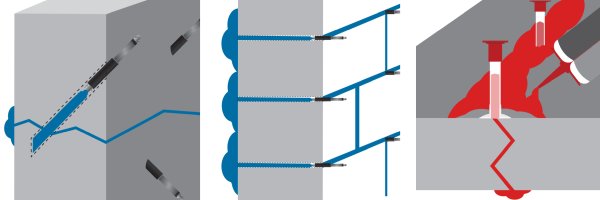
Curtain injection is an effective method for addressing general leaks and damp walls. It involves creating a waterproof barrier behind or around the leaking area. Curtain injection is performed with SealBoss polyurethane grouts or SealBoss 2400 acrylate/acrylic gel resin.

Steps for Curtain Injection

  • Assessment of the Leaking Area: A thorough assessment is conducted to determine the extent and source of the leaks or dampness.

  • Drilling Injection Holes in Grid Pattern: Holes are drilled into the wall or ceiling at strategic locations to cover the area affected by the leaks or dampness.

  • Injecting the Grout: A low-viscosity polyurethane grout is injected into these holes. The grout travels through the voids and cracks behind the wall or ceiling, forming a curtain-like barrier.

  • Creating the Waterproof Barrier: The grout permeates and creates a curtain or bladder, sealing off the water paths and creating a waterproof barrier.

  • Curing and Inspection: After the injection, the grout is given time to cure. A final inspection is conducted to ensure the effectiveness of the barrier. Curtain injection can often be tested by flooding the area behind the structure.

The Water Migration Problem of Precast Joints and Pipe Penetrations

Precast joints in utility vaults, formed at the junctions between concrete sections, are susceptible to leaks due to cracks, soil shifts or temperature fluctuation caused movement.

Similarly, pipe and conduit penetrations, where utility lines enter the vault, can become leak points. The original sealing around these areas can degrade over time, allowing water to infiltrate the vault.

Repairing Precast Joint Leaks

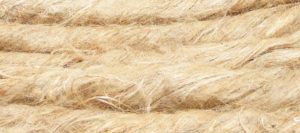
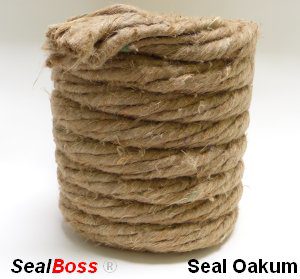
For precast joint leaks, products like SealBoss 1510 and SealBoss 1570, combined with SealBoss Oakum, offer effective solutions. SealBoss 1570 is a highly flexible polyurethane grout that adapts to movements between concrete sections, while SealBoss Oakum, a special oil-free dry jute rope, helps to seal large and irregular defects when used in combination with the grout.

Installation Guideline

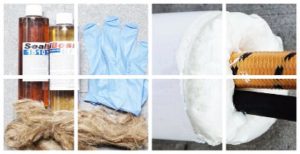
  • Clean and moisten surfaces before applying Oakum
  • Saturate SealBoss Oakum with SealBoss Polyurethane Resin
  • Pack the Oakum into the precast joint and, if necessary, inject additional resin for a complete seal.
  • Allow the material to cure overnight

Addressing Pipe Penetration Leaks

For pipe penetration leaks, a combination of SealBoss Polyurethane grout and SealBoss Oakum can create a durable seal. Soaking SealBoss Oakum in the grout and then packing it around the pipe forms a tightly sealed gasket.

Installation Guideline

This method offers longevity, with the potential to last up to five decades.

Selecting a Qualified Contractor

The effectiveness of the repair largely depends on the skill of the contractor. It is crucial to choose a contractor experienced in applying polymer grout. Look for contractors who have received training from the material manufacturer and have a proven track record in polymer water stop injection and leak sealing projects.

Evaluating Proposals

When reviewing proposals, focus on the detailed scope of work, proposed materials, cost breakdown, project timeline, and references. This due diligence ensures that your investment in utility vault leak sealing is well-placed.

Conclusion

Utility vault leak sealing repair, particularly with polymer grouts and resins, is an essential aspect of maintaining infrastructure integrity. Choosing the right contractor and using quality products like those offered by SealBoss can ensure the longevity and effectiveness of the repairs. By addressing these leaks proactively, you can mitigate operational challenges, ensure safety, and avoid negative economic impacts.

Related Links

Structural Utility Vault Repairs

SEALBOSS-1510
SealBoss1510
SEALBOSS-1570-LV-SMALL
SealBoss1570
SEALBOSS-1570-LV-SMALL
SealBoss 1570LV
SEALBOSS-FLEXGEL-SMALL
SealBoss FlexGel
SEALBISS-15X-SMALL
SealBoss 15x
SealBoss 2400
Contact Your SealBoss ® Technician

Parking Garage Waterproofing

Parking Garage Waterproofing

Injection Technology for Parking Garage Infrastructure Maintenance

Introduction:

Below-grade parking garages and above-grade garages are vital components in urban infrastructures, particularly in densely populated areas where surface parking is scarce. These garages provide a crucial solution for parking needs but are inherently prone to water leaks, leading to serious structural integrity issues.

Commercial parking garages, whether situated above or below ground, face a significant risk of water damage. The primary construction material, concrete, is naturally prone to developing shrinkage and stress cracks over time. Additionally, concrete’s porous nature, combined with the existence of construction and cold joints, creates potential pathways for water to penetrate. This infiltration of water can trigger various issues, notably the weakening of the concrete structure and the corrosion of embedded steel reinforcement bars (rebar).

Such deterioration not only compromises the structural integrity of the garage but also leads to escalated maintenance needs and potential safety hazards.

The consequences of such leaks and deterioration extend beyond mere inconvenience, posing safety risks, incurring costly repairs, and diminishing property values.

This article outlines common challenges of waterproofing these above-grade and subterranean structures, outlining the detrimental effects of water on concrete, strategies for early detection of structural compromises, and both immediate and long-term actions for maintaining the structural integrity and safety of these essential facilities.

Polymer Grout Injection Water Stop: The Final Line of Defense

Polyurethane grout injection plays a crucial role in parking garage waterproofing, especially in areas prone to leaks. This material provides a robust solution for sealing and protecting against water infiltration. When integrated into maintenance plans, it acts as a formidable barrier against moisture-related damages.

Polymer polyurethane and acrylate grouting include multiple repair techniques such as:

  • Crack Injection
  • Joint Injection
  • Conduit & Pipe Penetration Sealing
  • Curtain Wall Grouting
  • Soil permeation, compaction, consolidation, and stabilization grouting

Polymer Grout for Parking Structure Waterproofing

The Detrimental Effects of Water on Concrete Structures

Water migration in concrete parking garages can lead to corrosion, compromising the structural strength of the concrete, increasing the likelihood of further cracking, spalling, and in severe cases, complete structural failure. These issues not only present significant safety hazards but also accelerate the need for increasingly extensive repairs.

Recognizing the Signs of Structural Compromise

Early detection of water-related damage is critical for the longevity of parking structures. Key indicators include cracking, spalling, efflorescence (a greyish white, powdery substance indicating water movement within concrete), and rust stains on concrete surfaces. These signs point to potential rebar corrosion and overall weakening of the concrete structure.

Immediate and Long-Term Waterproofing Actions

Effective waterproofing requires both immediate interventions and long-term strategies.

Immediate actions often include sealing leaks with polyurethane polymer grout or acrylate grout injection and allowing for additional drainage to prevent water accumulation.

Long-term measures involve regular structural inspections and the development of comprehensive maintenance plans, encompassing routine cleaning of drains and re-application of waterproofing materials.

Protecting Investment and Public Safety

The integrity of below-grade parking garages is crucial for the safety of its users and the preservation of asset value. Stakeholders need to understand the impacts of water damage and adopt proactive strategies to mitigate risks. This approach helps extend the lifespan of parking structures, reduces maintenance costs, and ensures a safe, functional environment for users.

Maintenance of Drainage Systems

Effective drainage is paramount in preserving the structural integrity of parking garages. Poor drainage can lead to water ponding, increasing slip-and-fall risks, and accelerating concrete deterioration. Maintaining an efficient drainage system is thus essential for avoiding frequent and costly repairs.

Contractors tasked with improving drainage should focus on optimizing the existing system. This involves evaluating the system’s effectiveness, cleaning drains, removing debris, and recommending a schedule for regular inspections and ongoing maintenance.

While improving drainage systems may require an upfront investment, the long-term benefits, including reduced maintenance costs, structural preservation, minimized safety risks, and enhanced operational efficiency, are substantial.

Combating Corrosion

Water migration of any source, including groundwater, rain water and sprinkler runoff,  and environmental factors like minerals and vehicle emissions can significantly corrode concrete and metal components. Polymer grout injection, when correctly applied, effectively seals against these elements, prolonging the garage’s structural integrity.

Cost Considerations and Long-Term Value

Investing in polymer grout application, including hydro-active foam, polymer gels and resins, is cost-effective in the long run, offering benefits such as reduced repair costs, extended lifespan of the garage, enhanced safety, and increased property value.

Complementing Polymer Grout Technology with Other Preventative Measures

A comprehensive corrosion prevention strategy can include additional measures like proper ventilation, regular cleaning, and the application of specialized coatings and sealants, alongside polyurethane grout injection methods.

Regular inspections and proactive maintenance are key to sustained effectiveness in corrosion prevention. Any signs of new corrosion should be promptly addressed to maintain the structure’s integrity.

The Importance of a Comprehensive Corrosion Prevention Strategy

A holistic approach to combating environmental corrosion is essential for the long-term success of waterproofing efforts. This strategy should encompass quality application of polyurethane grout and integration into a broader corrosion prevention plan.

Sealing of Gaps and Spaces Around Electrical Conduits and Pipes

Moisture poses significant risks to electrical systems within parking garages, potentially leading to hazards such as short circuits and electrical fires. Ensuring electrical safety requires a multifaceted approach that can combine polyurethane grout application with other comprehensive safety measures. This strategy is vital for reducing the risks associated with water infiltration.

Polyurethane grout is instrumental in mitigating these risks by effectively sealing areas around electrical installations and sealing of leaking conduits and the sealing of other openings in the structure such as annular spaces and gaps around drainage pipes.

The initial investment in polyurethane grout application for electrical safety and the sealing of conduit and pipe penetrations pays off in the form of reduced maintenance costs, enhanced safety, and operational continuity. Electrical, conduit, and pipe penetration safety in parking garages should include regular inspections and maintenance.

Conclusion

Waterproofing below-grade parking garages is a critical aspect of urban infrastructure maintenance. By understanding the challenges, recognizing the signs of damage, and implementing both immediate and long-term waterproofing strategies, owners and stakeholders can protect their investments, ensure public safety, and maintain the structural integrity of these essential facilities.

Regular maintenance, combined with the strategic use of preventative and repair materials like polyurethane grout, forms the cornerstone of effective waterproofing and corrosion prevention.

For specialized solutions, consulting with the waterproofing experts at SealBoss Corp. is recommended to ensure that your parking garage remains safe, functional, and valuable for years to come.

Related Links

Structural Parking Garage Repairs

Contact Your SealBoss ® Technician

Water Treatment Plant – Crack Leak Sealing Repair

Water Treatment Plant Leak Sealing Repair

NSF Drinking Water Certified Water Stop Foam - P2002 Pro-Kit

Rush Delivery and On the Job Training

This newer water treatment plant has the capacity to meet the needs of the growing city’s population and industrial demands. It utilizes state-of-the-art technology to reduce seasonal taste and odor issues, treats for sulfates from Devils Lake discharges, and meets regulatory requirements related to pharmaceuticals, pesticides and herbicides. Located in a harsh climate, the Treatment Plant is an all indoor facility with multiple basins for the various processes of treatment.

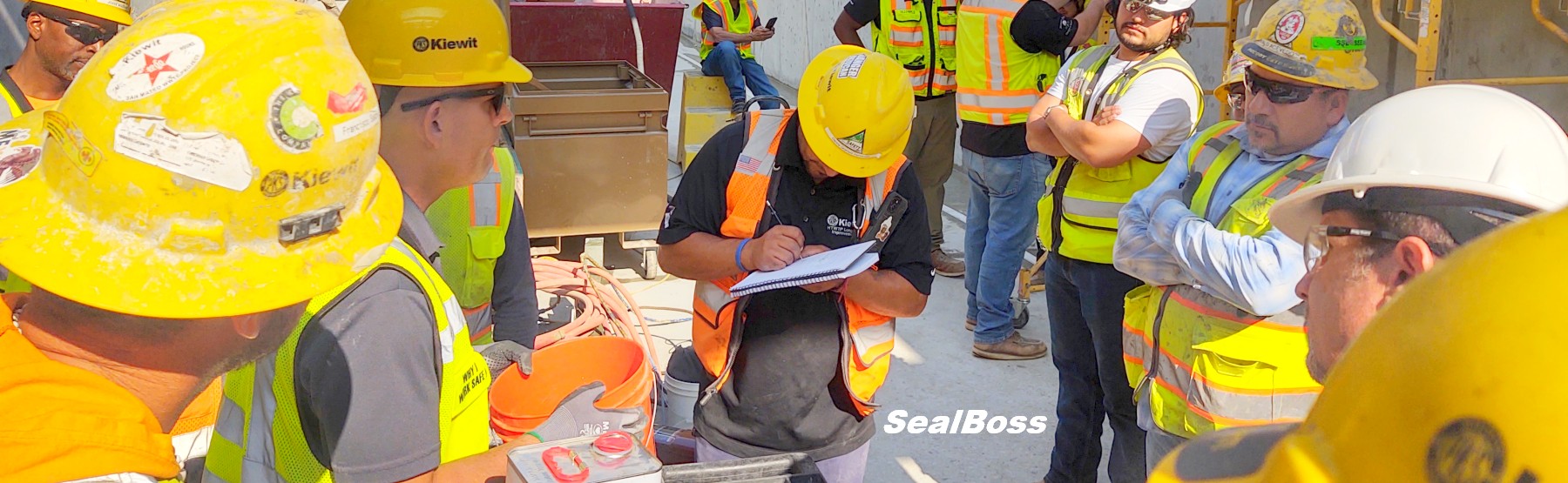
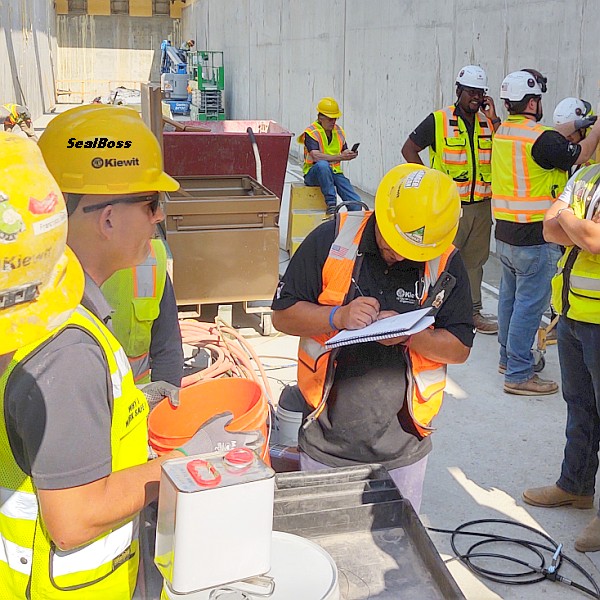
A SealBoss Technical made a rush delivery of a P2002 Pro-Kit and NSF Drinking Water Contact Certified SealBoss Water Stop Foam to the North Dakota Water Treatment Plant where previous attempts to mitigate various leaks through concrete cracks had failed. SealBoss provided intensive on the job crack injection training for the in-house maintenance and repair team to provide them with product and application knowledge to be able to inject and leak-seal any cracks within the facility successfully.

The chlorine basin had developed cracks and water with minimal solids had been leaking from the bottom of the basin on to the pumps and other mechanical components. Previously, the leaking cracks had been unsuccessfully addressed by a contractor with a undisclosed product and were found to be covered with an epoxy paste.

Prior to injection with SealBoss hydro active hydrophobic polyurethane foam the face of the concrete needed to be cleaned and stripped back to bare concrete. Some leaking areas had previously been injected by drilling directly into the crack (which is not a recommended procedure for this type of application)  and were left unfinished with some ports or parts thereof still in place. The old remaining ports needed to be removed and the old drill holes were quickly and temporarily plugged with SealBoss 3/8” Hammer-in ports.

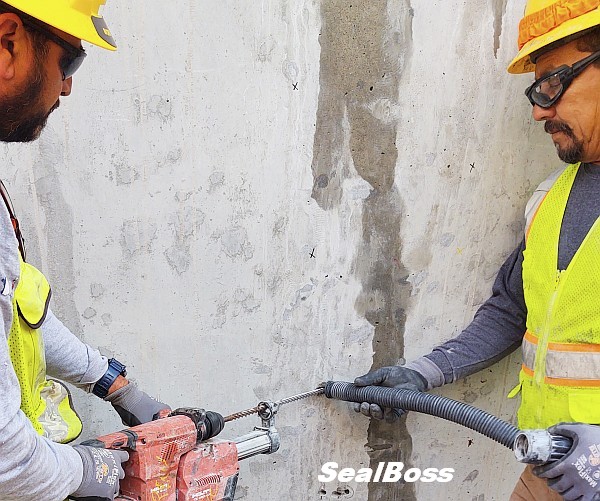
Once this was accomplished, new injection holes were drilled following the SealBoss 1, 2, 3, 45-Degree Injection Guidelines and starting roughly 6” from the center of the crack and placing packers in a staggered fashion. Under the job site conditions the SealBoss 45-Degree packer installation technique provided for much better product penetration and travel within the cracks and hairline fissures. Once all the holes were drilled the SealBoss Evolution 13-100AL aluminum packers were placed and the overhead injection began.

SealBoss NSF/ANSI 61 certified 1510 Water Stop Foam chemical grout is approved by the supervising  engineering firm for the crack and leak-seal repair on this project. The product was injected with the SealBoss P2002 high pressure single component injection pump system.

Within a short time the low viscosity SealBoss 1510 Foam was traveling through the cracks and began reacting. Refusal of the resin from the face of the crack was visible at distances far exceeding the next packer hole indicating very good penetration.

Utilizing the SealBoss 1, 2, 3, 45-Degree Injection Method with staggered packer placement, rather than drilling directly into the cracks, the low viscosity SealBoss 1510 chemical grout was able to travel much farther inside the cracks, hairline fissures and non-visible shrinkage cracks thus creating an immediate and permanent seal.

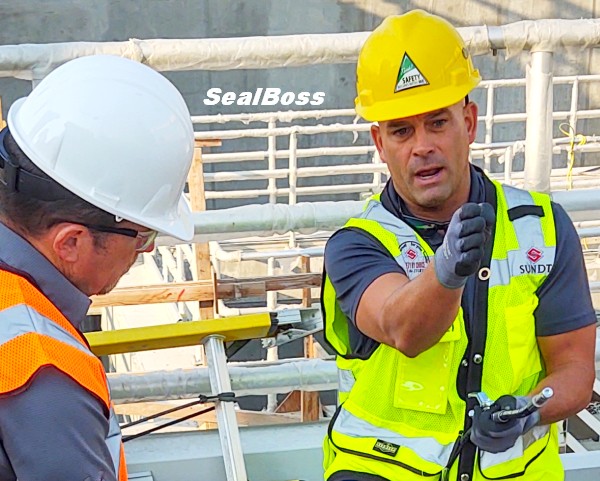
SealBoss provided intensive on-the-job crack injection training for the in-house maintenance and repair team and taught them all the product and application knowledge to be able to inject and leak-seal any cracks within the facility successfully.

fter several hours of on-site guidance, the facility’s repair team felt confident in devising a strategy to address the remaining cracks. They were also well-acquainted with the systems for anticipated future leak repairs.

"When called for on-site support and training, our goal is to foster a positive learning atmosphere. We aim to instill confidence and familiarity swiftly, ensuring seamless repairs long after my training concludes.

Since1988, SealBoss has been dedicated to training—from entire companies to individual employees. We are proud to carry forward this legacy of support.

Our on-site training begins with a comprehensive overview of our products and an in-depth look at the pump's features. This is complemented by hands-on practice, where participants get to inject material until they're fully at ease with the application methods and the material's intricacies. We then shift our attention to the proper cleaning procedures for the equipment. We make it a point not to depart from a site until I'm certain that everyone is proficient with our systems and can pass on the knowledge to their peers.

Backed by an expert technical support team, we're always available to address any queries you might have."
SealBoss Technical Sales Team

SealBoss ® 1510 NSF Water Stop Foam for infiltrating water:

  • Seawall Repair | Crack & Joint Leak-Seal | Soil Stabilization | Permeation Grouting
  • Defective Concrete (Cracked or Honeycombed)
  • Concrete Construction Joints & Cracks
  • Brick Construction, Geo Formations

SealBoss ® 1510 NSF Water Stop Foam Advantages:

  • Advanced NSF Formulation
  • Up to 40+ Times Expansion
  • SealBoss ® Product-Pump-Packer System Solution
  • Unregulated For Transport
  • Solvent Free MDI Technology

In Person and Video training is available upon request, contact SealBoss today to speak to your regional technical representative on our SealBoss full system solutions and offerings.

Some of Our SealBoss ® P2002 Drill Operated Injection Pump Advantages

  • Polyurethane Grout Injection Pump
  • Polyurethane Foam Injection Pump
  • Easy To Use
  • Easy To Cean
  • Easy To Maintain
  • Modular, Compact &
  • Sturdy Design
  • Single Component
  • Electric Drill Operated
  • Heavy Duty For Daily Use
  • Pressure Gauge, Hose Set, Hopper Included
  • Recommended For Beginners & Injection Pros
  • > 5000 PSI Injection Pressure Possible

In Person and Video training is available upon request, contact SealBoss today to speak to your regional technical representative on our SealBoss full system solutions and offerings.

Tip: Listen to our ‘How To’ Podcast:

Leak Sealing Polyurethane Crack Injection in Concrete and Shotcrete Structures

Contact Your SealBoss ® Technician

Crack Injection

Crack Injection

Water Stop / Leak Sealing Crack Injection
and Structural Crack Injection

What is Crack Injection?

The process of Crack Injection involves injecting an adhesive chemical grout or resin to connect and seal a cracked foundation, slab or wall.

If left untreated, cracks in concrete structures will grow larger over time leading to more destruction and rebar corrosion.

Crack Injection, in infrastructure terms, is the application of a chemical grout, resin or bonding agent into a substrate to repair, seal, permeate and consolidate the substrate to extend the design life of a structure.

Crack Injection can be Grouped into Two Subcategories

The term crack injection, specifically concrete crack injection, covers a variety of injection techniques primarily used in infrastructure waterproofing repairs and structural concrete repairs.

Crack-Injection SealBoss

Category 1
Water Stop and Leak Sealing Crack Injection

Injection methods designed to prevent water ingress and migration are subcategory of crack injection known as chemical grouting  —  referring to the gels, resins and foams as chemical grouts.  Chemical grouts include polyurethane resins  and acrylic resins. These products are designed to work well in a wet environments. Water stop foams react on contact with water and expand to stop high velocity water flow.  Polyurethane resins form semi rigid or flexible seals to permanently prevent water migration.

Crack-Injection SealBoss

Category 2
Structural Crack Injection

Methods and products designed to structurally repair concrete are combined in another subcategory of crack injection, known as epoxy crack injection. Epoxy resin adhesives, categorized by strength, viscosity and gel-times, provide outstanding structural properties — a prerequisite for use as a prime load-bearing cracked concrete repair solution.

Powerful Polymers – Comparing Two Categories of Crack Injection Chemical Grouts

Hydrophobic and hydrophilic polyurethane based chemical grouts and structural epoxy based resins are the two major product groups used for crack injection. To better understand the characteristics and differences, please refer to our product comparison called ‘The Crack Injection Superheroes’.

Learn More

Please don’t hesitate to call us at 714-662-4445 with any questions, or request to be contacted here, we look forward to helping you find a solution and make your waterproofing job a painless procedure. If you need rapid results – on-site support from knowledgeable and experienced technical reps is available upon request. Check out our Crack Injection Kits.

Popular Crack Injection Links

Contact Your SealBoss ® Technician

SealBoss 1510 Water Stop Foam Customer Test

Watch the Video

SealBoss 1510 Water Stop Foam Customer Test

Brad of Pro Bond Systems Shares His Own Test of SealBoss 1510

– So we did two injections, we injected it with 1510 with 10% accelerator and we noticed that it worked perfect. 

Recent Posts

More Posts

Archives
Categories
Scroll to Top