
Search

news | blog

Hydrophilic Waterstops

Hydrophilic Waterstops
Hydrophilic Swelling Waterstop

SealBoss Swell Tape and Swell Caulk

Introduction to Hydrophilic Waterstops

Hydrophilic waterstops have emerged as an essential component in modern concrete construction, particularly in ensuring the watertight integrity of various below grade structures such as parking garages, subterranean warehouses, stores and tunnels.

SealBoss, a leader in the field of specialized below grade waterproofing, offers an array of hydrophilic waterstops that are renowned for their high quality and cost-effectiveness.

These products are specifically designed to meet the demanding water containment requirements of today’s construction projects.

How Hydrophilic Waterstops Work

The term “hydrophilic” refers to the affinity for water, and in the context of waterstops, it signifies the material’s ability to swell upon contact with water.

When exposed to moisture, the material expands and develops swelling pressure that presses against the surrounding concrete, closing off potential leak paths along the joint line. The seal is continuous, durable, and ideal for linear runs and around complex shapes such as pipe sleeves and hardware penetrations.

Unlike traditional waterstops, the hydrophilic variants offered by SealBoss do not rely solely on adhesion to the substrate, but adapt to leakage by expansion, making them suitable for joints involving diverse materials.

Hydrophilic Waterstops — SealBoss® SwellTape & SwellCaulk

Hydrophilic waterstops from SealBoss® are water-activated joint seals that swell on contact with water to create a powerful compression barrier inside concrete joints and penetrations. The system adapts to irregular surfaces, speeds field detailing, and delivers watertight performance in cast-in-place and precast applications.

Features & Benefits

  • Water-activated swelling creates a dependable compression seal in concrete joints and penetrations
  • Fast, clean installation with cartridges/sausages; ideal for linear runs and complex details
  • Adheres to multiple substrates: incl. concrete and steel
  • Performs in wet, dry, and underwater conditions when installed per guidance
  • Excellent on irregular/rough surfaces; use SwellCaulk™ as adhesive and leveling bed for SwellTape™
  • Proven for sheet-pile interlocks and precast interfaces

Product Overview

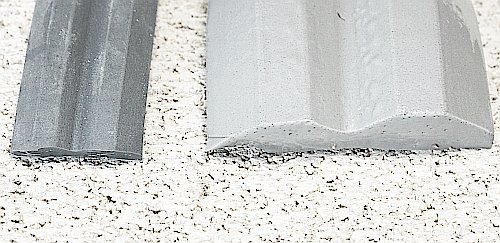
SealBoss Swell Tape – Hydrophilic, Swelling  Waterstop Strip

One of the flagship products in SealBoss’s hydrophilic waterstop range is the SealBoss Swell Tape.

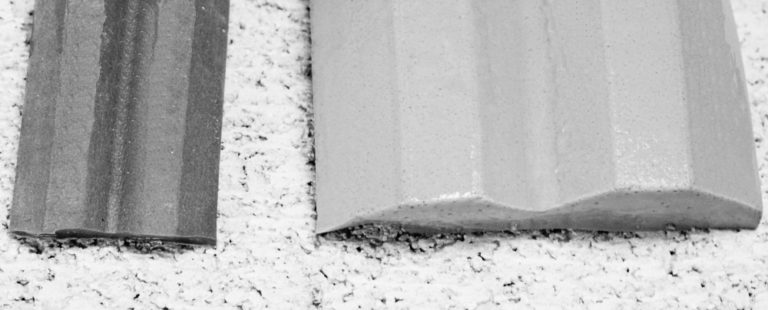
A manufactured, strip-applied hydrophilic waterstop that swells on contact with water to create a compression seal along the joint. SwellTape is placed on cured concrete ahead of the next pour and works on rough or porous substrates.

This strip-applied, preformed hydrophilic polymer waterstop tape is specifically engineered for the waterproofing of concrete joints. The unique formulation encapsulates hydrophilic polymers into a rubber base, creating a highly effective, durable, and moisture-activated swellable compression seal.

Applications of SealBoss Swell Tape

The versatility of SealBoss Swell Tape makes it an ideal solution for a broad spectrum of applications. These include:

  • Sealing construction joints in buildings and infrastructures
  • Waterproofing pipe penetrations to prevent leakage around pipes
  • Ensuring watertight integrity in manhole joints
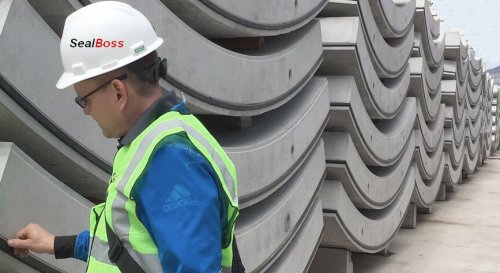
  • Application in precast concrete segments for structures like bridges and tunnels
  • Addressing cold joints, where new concrete meets old concrete
  • Use in tunnel segment joints for subterranean constructions
  • Waterproofing poured wall joints in both residential and commercial buildings

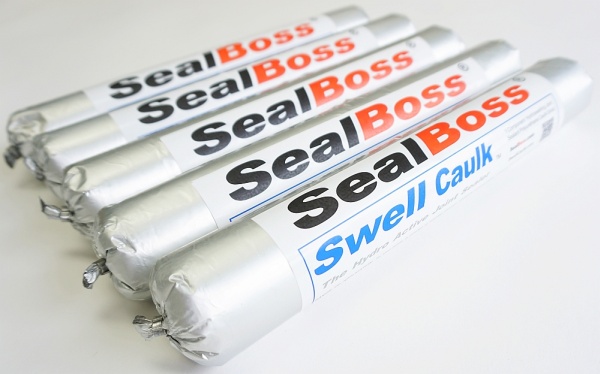
SealBoss SwellCaulk – Hydrophilic, Gun-Grade Waterstop Caulk

In addition to the Swell Tape, SealBoss offers the SealBoss Swell Caulk  – a hydrophilic waterstop caulk designed to complement the Swell Tape system. It is especially recommended for complex joint configurations where additional sealing and adhesion are necessary.

SwellTape+ SwellCaulk – System Approach

Use SwellCaulk™ as a hydrophilic sealant and bonding/leveling layer for SwellTape™ to improve contact on rough concrete, ensure continuity through transitions, and simplify detailing around penetrations. This unified approach enhances watertightness along the full joint path.

Additional SwellCaulk Use Cases

  • Irregular, rough, and smooth surfaces where a conformable bead is beneficial
  • Sheet-pile interlock (knuckle) joints — gun a continuous bead into the female interlock before driving; keep protected from water until embedment
  • Cable and utility ducts, culverts, vaults, and general linear construction joints in cast-in-place or precast work

Installation (Quick Guide)

  • Surface Preparation
    Clean concrete of dust, laitance, release agents, and debris. Ensure a sound substrate for adhesion
  • Plan a Continuous Seal Path
    Map uninterrupted runs along joints and around penetrations. For sheet piles, apply in a continuous band within the female interlock
  • Apply SwellCaulk and/or Place SwellTape
    Gun a steady, uniform SwellCaulk bead; avoid gaps or fish-mouths
    Where using SwellTape, seat it into the SwellCaulkbed to unify the system
  • Protect Before Encasement
    Keep materials dry prior to the pour to prevent premature swelling or displacement
  • Place & Consolidate Concrete
    Fully encapsulate the waterstop and consolidate to ensure intimate contact around the strip or bead for optimum sealing action

FAQs

  • Can I use SwellCaul as the adhesive for SwellTape?
    Yes. SwellCaulk doubles as a hydrophilic sealant and the adhesive/leveling bed for SwellTape to improve contact on rough or porous concrete
  • Where does this system shine?
    Construction/cold joints, pipe and sleeve penetrations, manholes, culverts, utility ducts, precast interfaces, and sheet-pile interlocks
  • Any handling tips before the pour?
    Keep the applied product protected from rain or standing water so swelling occurs in service rather than before encasement

Conclusion: The SealBoss Hydrophilic Waterstops Advantage

The SealBoss range of hydrophilic waterstops, including the Swell Tape and Swell Caulk, represents a significant advancement in water containment technology.

Their effectiveness, versatility, and ease of application make them an excellent choice for a wide range of construction projects.

By choosing SealBoss products, construction professionals can ensure the long-term integrity and durability of their structures against water infiltration.

Click here for more information on SealBoss  Swell Tape & Swell Caulk Products
Contact Your SealBoss ® Technician

Leak Sealing Methods

Leak Sealing Methods

Leak Sealing Methods

Leak Repair Overview

Leak Sealing Methods

Introduction

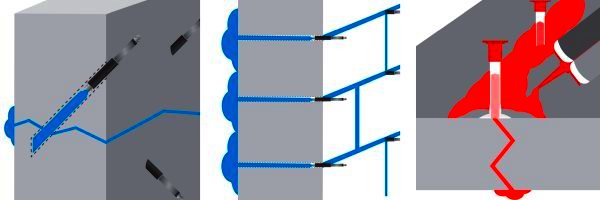
This guide focuses on injection-based leak sealing for concrete and masonry—cracks, cold joints, tie-holes, penetrations, honeycombs, and construction joints. It consolidates common leak sealing methods used by contractors and facility teams: polyurethane injection, acrylate gel injection, curtain injection, oakum + PU, and epoxy injection.

The emphasis is on negative‑side access, active leaks, and rapid water shutoff.

Typical applications: basements, elevator pits, utility vaults, manholes, tunnels, parking structures, water/wastewater tanks, culverts, shotcrete, and blind‑side conditions.

The most common methods are: crack/joint injection and curtain grouting, which are essential for maintaining the structural integrity of concrete structures including tunnels, dams, commercial buildings, and foundations in general.

The article also explores other leak sealing methods and options like epoxy resin injection and swellable waterstop caulking and water activated, expanding polymer strip tapes, discussing their applications and effectiveness.

Ensuring Integrity in Concrete Structures

Water leaks in concrete structures can pose significant challenges, necessitating a thorough exploration of leak sealing methods. The integrity of structures like tunnels, dams, and foundations depends on the effectiveness of these methods. This article delves into the various techniques available, their applications, and the factors influencing their selection.

Water Stop and Leak Sealing with Crack/Joint Injection and Curtain Grouting Systems

Crack/joint injection and curtain grouting stand out as the most prevalent techniques for addressing active water leaks in concrete structures. These leak sealing methods are the first line of defense against water intrusion, providing immediate solutions to maintain structural integrity.

Polyurethane Injection


Best for:
Active leaks, damp cracks, joints, tie‑holes, penetrations, negative‑side access.

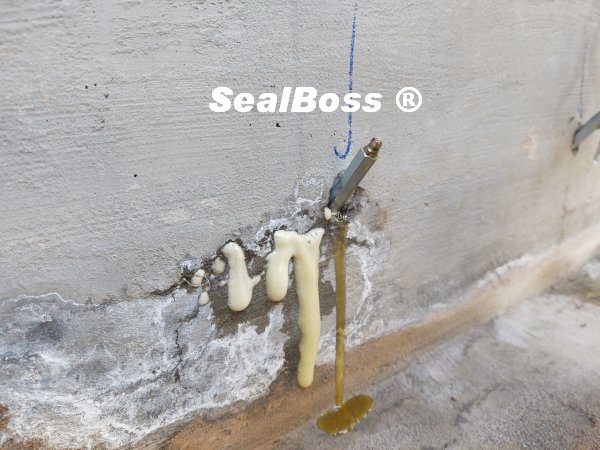
How it works: Water‑reactive PU expands to fill the leak path and forms a closed‑cell barrier.

Hydrophobic vs hydrophilic: hydrophobic = fast stop and dimensional stability; hydrophilic = re‑swelling in cyclic wet/dry joints.

Pros: Stops water, works in wet environments, fast, minimal downtime.

Cons: Not many cons, not a structural repair. For structural repair use SealBoss Epoxy

SealBoss examples: 1510 Water Stop Foam (use with 15X Accelerator), 1570 / 1570 LV Water Stop Foams, FlexGel (hydrophilic), R70 pump flush.

See also: Concrete Leak Sealing with Polyurethane Water Stop Foam 1510 | 1570.


Oakum + PU Combination


Use for:
Larger joints/voids, pipe penetrations, tie‑holes.

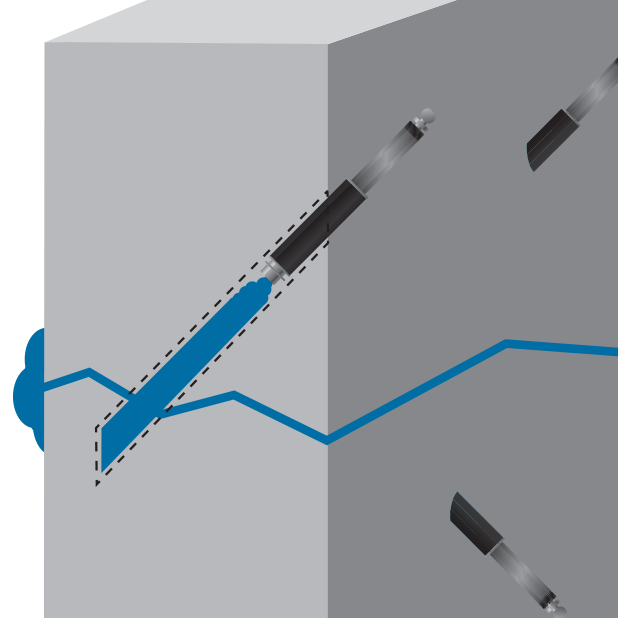
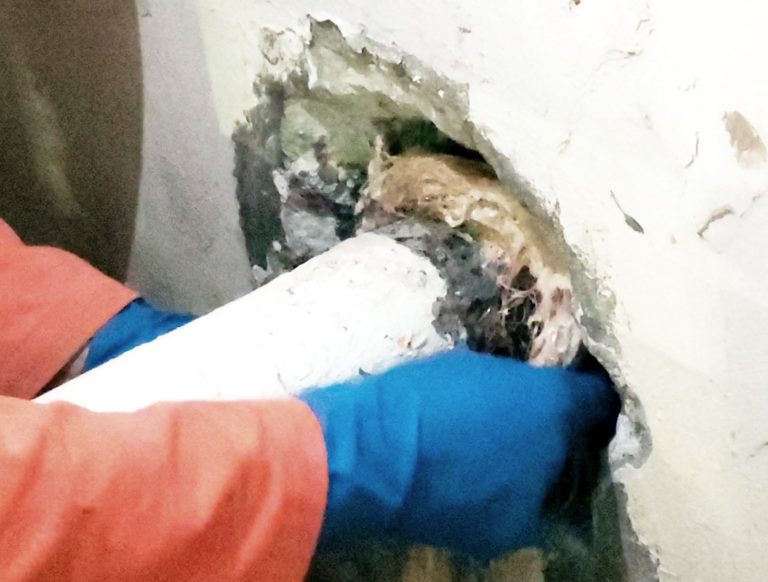
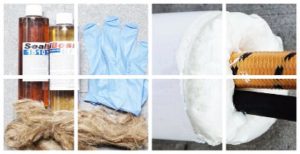
Method: Pack oil‑free oakum pre‑saturated with PU; mist to activate; lock with follow‑up point injections.

Best for: Ultra fine cracks, and curtain grouting behind structures.

How it works: Ultra‑low viscosity gel with adjustable set time migrates into fine capillaries; forms an elastic, water‑reactive gel.

Pros: Penetrates very fine paths; tunable gel time.

Cons: Not structural; requires proportioning accuracy and specialized injection equipment.

SealBoss examples: 2400 SealGel SLV Acrylate Gel; FlexGel for curtain injection.

Crack/Joint Injection

Crack/joint injection is a precise method that involves injecting polyurethane grout into specific cracks or joints where water is actively leaking. This technique is renowned for its effectiveness in sealing everything from minor seepage to significant leaks across various concrete structures, including walls, foundations, and commercial parking structures.

Curtain Grouting – Creating Barriers Against Water Intrusion

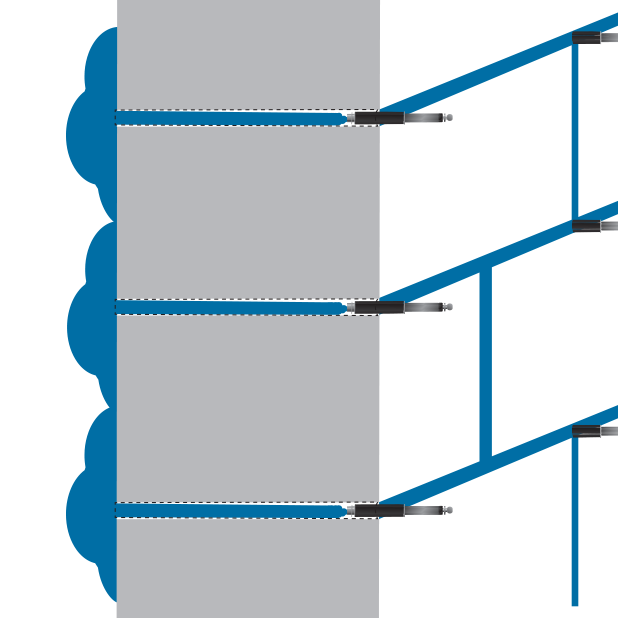
For larger leaks or when the precise leak location is elusive, curtain grouting is the method of choice. This leak sealing method involves injecting grout in a pattern that forms a waterproof barrier, particularly behind tunnel linings, offering a robust solution to water ingress.

  • When to use
    Water is entering from an unknown path or across a larger area and positive‑side access is not available. Curtain grouting creates an injected barrier behind the structure to block groundwater. PU or acrylate gels are commonly used depending on flexibility and set‑time needs.

  • Notes
    Drill in a grid or fan pattern; low pressures and overlapping bulbs ensure coverage. Monitor take rates and returns.

Structural Repairs with Epoxy Injection Systems

Epoxy Resin Injection – Strengthening and Sealing Combined


While epoxy injection is primarily used for structural repairs, it also serves as an effective barrier against water intrusion. However, its use as a water stop is limited in areas with very active leaks.

Epoxy resins, synthetic polymers known for their strong adhesive properties, are particularly useful for sealing leaks in a variety of structures. Their ability to bond with concrete, some metals, and wood makes them a versatile option in the leak sealing methods arsenal.

Epoxy Injection – Structural Bonding


Best for:
Dry, non‑moving structural cracks after water is controlled.

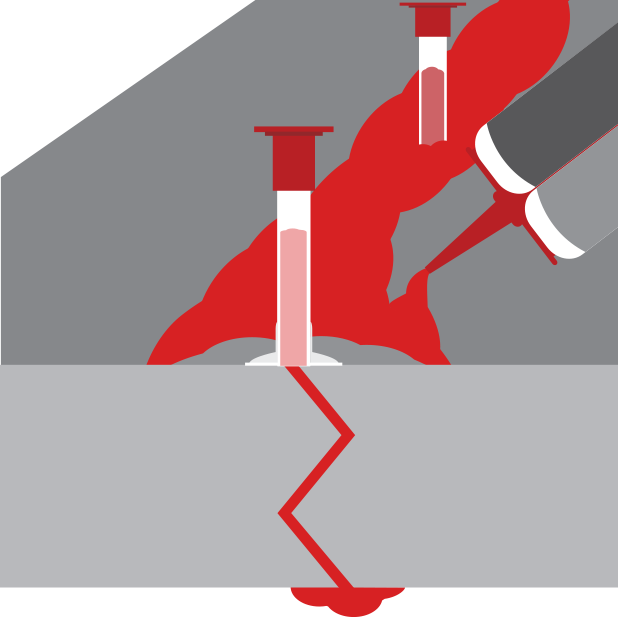
How it works: Low‑viscosity epoxy bonds crack faces to restore monolithic behavior.

Important: Stop water first (often with PU), then dry out before epoxy.

SealBoss example: 4040 LV, 4050 SLV Epoxy, low‑viscosity structural injection resins.

Construction and Cold Joint Systems


Swellable Waterstops – Expanding the Fight Against Leaks

Swellable waterstops are hydrophilic materials that expand upon contact with water, effectively sealing off leaks. These are commonly implemented in construction joints and are highly effective in segmented concrete tunnels and structures.

Questions & Answers

  • What is the fastest way to stop an active water leak?
    Polyurethane (PU) water‑stop injection using mechanical packers. Start at the tight end, vent through the next port, and stage re‑injections.
  • When should I use curtain injection?
    When the leak path is unknown/widespread or on large blind‑side conditions. Build an overlapping curtain (PU or acrylate) behind the structure via a grid pattern.

  • Can I inject from the negative side (inside)?
    Yes. This is the major advantage of injection technology. PU and acrylate gels are routinely injected from the inside when the positive side isn’t accessible.

  • What packer spacing should I plan for?
    Typically 6–12 in (150–300 mm), tighter for thin and hairline cracks or very high water flow.

  • Is injection suitable for potable water structures?
    Yes—use SealBoss products with the appropriate drinking‑water certification.

  • Does injection relieve hydrostatic pressure?
    No. Injection blocks leak paths; it doesn’t lower groundwater pressure. Include drainage/relief if needed.

  • Is epoxy injection recommended for active leak repair?
    No. Epoxy is for structural crack repair. Stop water with PU injection systems; use epoxy if strength restoration is required and preferably in a dry environment.

Troubleshooting & Quality Checks

  • Leak persists at a few points
    Add ports between existing ones; lengthen gel time; re‑inject from tight end.

  • Resin blow‑by
    Reduce pressure; confirm packer seating; replace coupler.

  • Backflow without travel
    Inject at the next port; redrill packer hole; place new packer in proximity to the “dead” hole packer.

  • Recurring leak after dry‑out
    Consider low viscosity hydrophobic or hydrophilic PU resin (or – in rare niche situations, acrylate gel) to reinject through newly installed packers; for unknown water paths paths, curtain injection may be advised.

  • Structural cracks after leak stop
    Only in cases of structural repair requirements, perform epoxy injection.

Conclusion 

Leak sealing methods extend beyond crack/joint injection and curtain grouting. A comprehensive understanding of material compatibility, leak severity, and environmental impact is essential in selecting the appropriate method. By considering these factors and the outlined criteria, stakeholders can make informed decisions that offer long-term benefits, ensuring the safety and longevity of concrete structures.

Related Articles

Contact Your SealBoss ® Technician

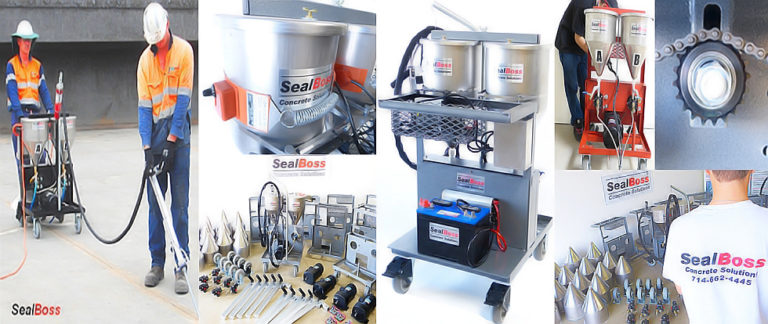
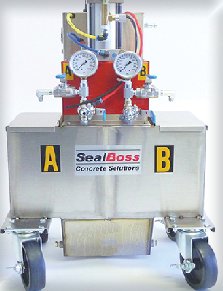
The SB JointMaster – Industry Leading Joint Filler Pump

jointmaster-joint-fill-pump

Gen 3 JointMaster – Decades of Expertise
Built to Last. Engineered for Speed. Trusted by Pros.

SealBoss® JointMaster Pro2 Pump – The Industry-Leading Solution for Precision Joint Fill Applications


Introduction

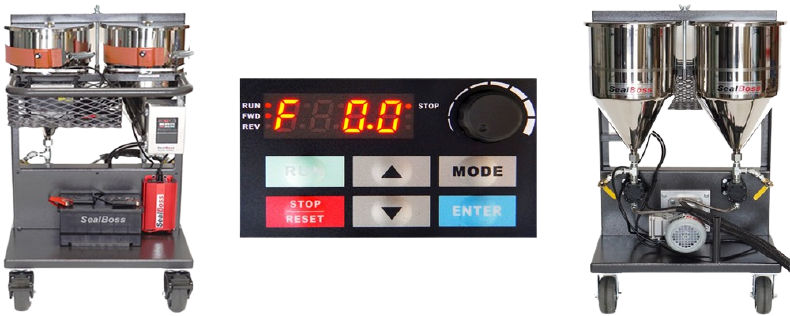
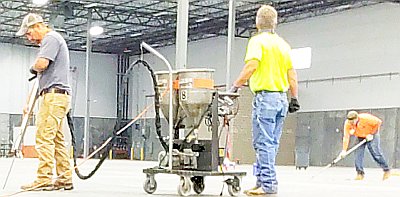
The SealBoss® JointMaster® Pro2 Pump represents the latest generation in joint fill technology, offering contractors and concrete professionals a robust, field-proven solution for accurate, efficient, and high-volume joint filling applications. Backed by over 36 years of experience and refined by real-world contractor feedback, this third-generation pump is purpose-built for demanding environments—where precision, speed, and reliability matter most.

From industrial warehouse renovations to tilt-up construction, and from crack and spall repair to high-performance polyurea and polyurethane applications, the JointMaster Pro2 delivers consistent results with less downtime and greater mobility. With features like cordless battery operation, digital controls, and a high-output gear-driven pump, this machine redefines what’s possible on today’s fast-paced job sites.

Key Advantages of the SealBoss® JointMaster® Pro2 Joint Fill Pump

  • Precision Pumping for Clean, Consistent Joint Filling
    The JointMaster Pro2 is engineered for high-precision results, delivering material through a variable-speed motor and gear-driven system. This ensures smooth, even fill across expansion joints, control joints, and cracks—reducing rework and helping contractors maintain a professional finish, every time.

  • Versatile for a Wide Range of Applications
    Designed with flexibility in mind, the JointMaster Pro2 accommodates a broad selection of materials including polyurea, polyurethane, and epoxy. Whether it’s concrete joint filling, spall repair, or horizontal crack injection, this pump supports a wide spectrum of concrete repair needs—from industrial floors to commercial and even residential jobs.

  • High-Efficiency Gear-Driven Performance
    With a material output exceeding 0.5 to 1+ gallons per minute, the Pro2 is optimized for high-volume joint fill applications. This performance allows crews to fill thousands of linear feet per day, making it ideal for time-sensitive projects that demand both quality and speed.

  • User-Friendly Interface and Digital Control
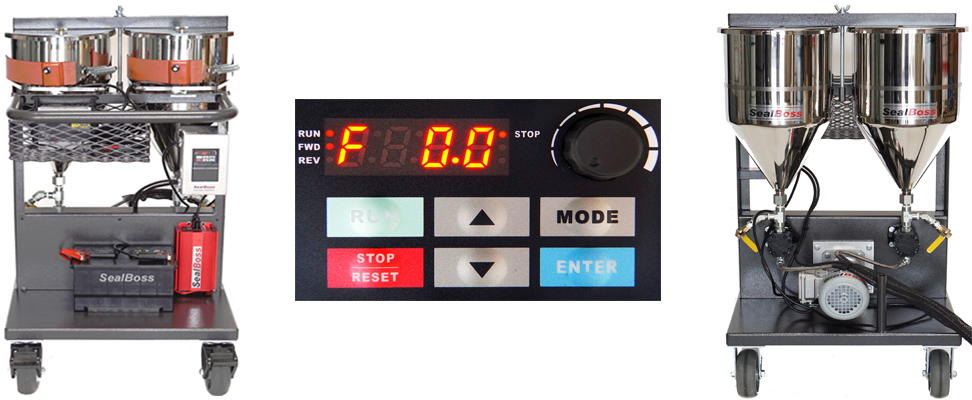
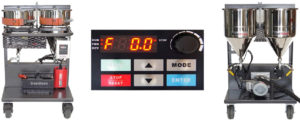
    The system is built for operator convenience, featuring a digital display that provides real-time feedback on flow rates, operation status, and pump performance. This intuitive interface makes it easy to monitor output and fine-tune application settings on the fly—minimizing errors and boosting productivity.

  • Cordless Battery-Powered Operation (Optional)
    Job sites don’t always offer convenient power sources. That’s why the JointMaster Pro2 supports an optional battery-inverter setup, allowing for cordless mobility. Whether working in remote areas, outdoors, or in power-restricted environments, the battery package provides uninterrupted, tangle-free performance.

  • Rugged and Durable Construction for Job Site Demands
    Built to withstand the toughest working conditions, the JointMaster Pro2 features a steel frame, aluminum and stainless-steel components, and corrosion-resistant tanks. Designed for daily use in industrial settings, it’s a machine built for the long haul.

  • Cost-Effective Solution That Boosts ROI
    By reducing material waste, increasing output speed, and minimizing the risk of rework, the JointMaster Pro2 improves your Return on Investment with operational efficiency and overall profitability. Contractors benefit from lower labor costs, faster project completion, and happier clients—all of which contribute to a healthier bottom line.
SEALBOSS-JOINTMASTER
SealBoss JointMaster

Primary Applications of the SealBoss® JointMaster® Pro2 Pump

  • Precision Concrete Joint Filling for Industrial and Commercial Floors
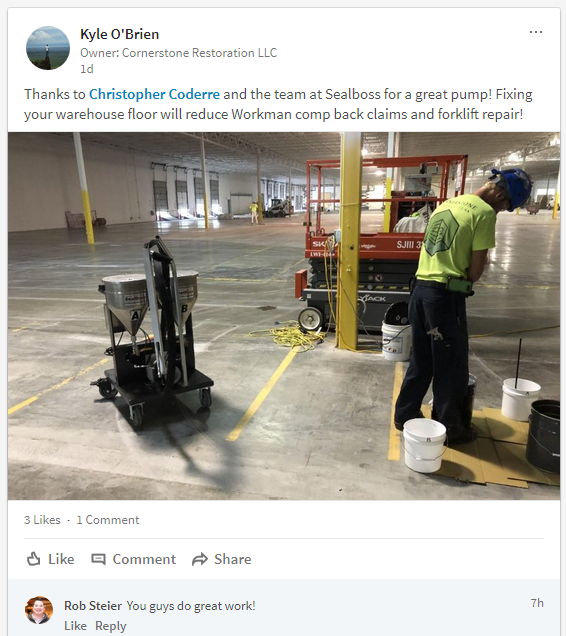
    Perfect for warehouse floors, manufacturing plants, tilt-up buildings, and parking structures, the JointMaster Pro2 excels in filling control joints, construction joints, and saw cuts. The system’s accuracy and output rate ensure a seamless, professional application even on large-scale projects.

  • Horizontal Floor Crack Repair and Concrete Spall Restoration
    In addition to joint filling, the Pro2 pump is ideal for surface crack repair and concrete spall restoration. It works well with fast-setting repair resins, allowing crews to restore structural integrity and walkability in minimal time—reducing downtime for operational facilities.

  • Asphalt and Roadway Maintenance for Pavement Cracks
    The pump’s flexibility extends to blacktop and asphalt repair, including cracks and potholes in highways, driveways, and parking lots. Combined with its optional cordless setup, the system is well-suited for outdoor and remote roadway projects where power accessibility is limited.

With a focus on dedication and extensive testing, we’ve created a reliable and low-maintenance product that’s built to last. The JointMaster’s modular design allows for speedy repairs and its versatility makes it tailored to meet the unique needs of your business. Furthermore, with the option to add additional features – including battery powerded operation – the custom-built JointMaster is the ultimate solution to upgrade your business’s repair capabilities.

JointMaster Pro 2 G3i Digital Joint Filler Pump
110V and 220V versions are available

Technical Specifications & Advanced Features


  • High-Volume Gear Pumping System
    Powered by a durable electric motor and gear-driven pump, the JointMaster Pro2 delivers more than 1 gallon of material per minute, making it ideal for rapid deployment in large-scale applications.

  • Customizable Accessories for Job-Specific Needs
    The system includes a suite of nozzles, hoses, and wand configurations that allow contractors to adapt the pump to a variety of job types and material viscosities. This modular setup enhances flexibility and improves workflow.

  • Cordless Battery Operation (Optional Upgrade)
    When paired with the battery and inverter package, the Pro2 can operate entirely off-grid, providing full performance without the limitations of cords or generators—perfect for mobile operations or hard-to-access job sites.

  • Safety-Focused Electrical System
    Featuring low voltage control wiring and a low voltage applicator wand, the system reduces electrical risk and promotes safer operation in both indoor and outdoor environments. This design ensures compliance with job site safety standards and gives operators peace of mind.


Conclusion

 A Proven, Professional-Grade Solution for Concrete Joint Filling
The SealBoss® JointMaster® Pro2 Pump stands as a benchmark for excellence in joint fill, crack repair, and concrete restoration. Combining speed, precision, and durability, it empowers contractors to take on more work with less effort—delivering results that exceed expectations.

Whether you’re managing a large warehouse renovation or performing high-volume concrete joint repair, the JointMaster Pro2 offers the performance and reliability that today’s professionals demand.

Get Started Today  – Ready to take your joint fill game to the next level?

Explore the full capabilities of the JointMaster Pro2 and find out how SealBoss can support your next project.

📞 +1  714-662-4445
🔧 Visit the Product Page
📄 Need a demo or quote? We’re here to help.

Contact Your SealBoss ® Technician

Curtain Injection Grouting | Hydrophilic Injection Gel Foam FlexGel

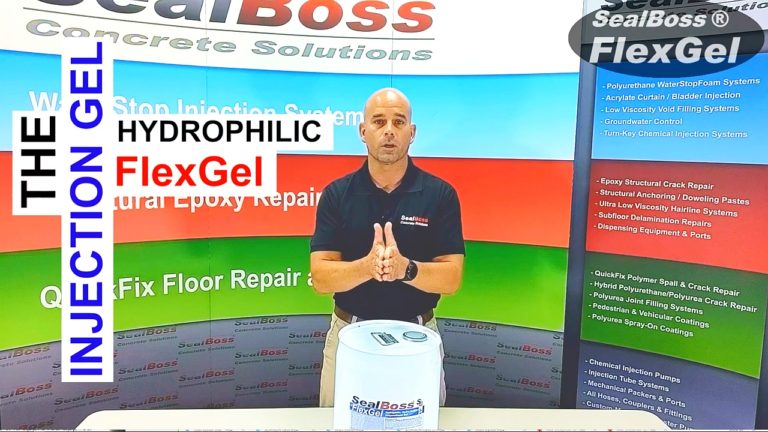
SealBoss ® FlexGel

  • Curtain Injection Grouting
  • Bladder Injection | Blanket Injection
  • Leak Sealing Gel
  • Soil Permeation & Stabilization
  • Concrete Crack Seal Gel
  • NSF Drinking Water Contact Gel

SealBoss FlexGel Hydrophilic NSF LV Gel

Curtain Injection Grouting | SealBoss® FlexGel Hydrophilic Polyurethane Foam/Gel

SealBoss® FlexGel is an advanced, single-component hydrophilic polyurethane foam/gel engineered specifically for curtain injection grouting applications. Its superior penetration, flexibility, and durability make it ideal for sealing leaks, soil stabilization, concrete crack repairs, and creating waterproof membranes.

Key Applications of SealBoss® FlexGel – Hydrophilic Polyurethane Injection Grout:

  • Curtain Injection Grouting: Forms a reliable waterproof barrier around concrete structures.
  • Bladder Injection / Blanket Injection: Ideal for sealing underneath slabs, effectively creating a flexible, durable membrane.
  • Leak Sealing Gel: Rapidly reacts upon contact with moisture to seal active leaks.
  • Soil Permeation & Stabilization: Strengthens soil structures by incorporating absorbed resin into the surrounding environment.
  • Concrete Crack Seal Gel: Effective for sealing concrete cracks through controlled injection.
  • NSF/ANSI 61 Certified: Suitable for use in potable water systems, ensuring compliance with drinking water safety standards.

Exceptional Properties and Benefits:

SealBoss® FlexGel offers superior hydrophilic properties. At a mixing ratio of 1 part FlexGel to 10 parts water by volume, the product achieves an exceptionally low viscosity of approximately 50 cps, ensuring outstanding penetration and distribution throughout injection areas.

The remarkable swelling capacity of FlexGel upon contact with water distinguishes it significantly from hydrophobic alternatives, enabling the formation of a robust waterproof gel barrier. When used neat, FlexGel rapidly expands upon encountering minimal moisture, adapting its reaction from foam to gel based on the counter-pressure applied.

Stable Performance Under Varied Conditions:

SealBoss® FlexGel is engineered for stability and endurance. Once cured, it maintains its integrity even in fluctuating moisture environments, easily withstanding repeated wet/dry cycles without degradation.

Why Choose SealBoss® FlexGel:

  • High-Quality Hydrophilic Formula: Exceptional absorption and sealing capabilities.
  • Ease of Application: Single-component, easy mixing, and reliable performance.
  • Durable and Flexible Membrane Formation: Resilient protection that adapts to structural movements and environmental changes.
  • NSF Drinking Water Approved: Certified safe for direct contact with drinking water.

Contact SealBoss for More Information:

For detailed product specifications, application advice, or to inquire about ordering SealBoss® FlexGel Hydrophilic Polyurethane Foam/Gel, please contact our expert team at SealBoss. We are here to support your waterproofing, leak sealing, and stabilization projects.

SealBoss FlexGel Data Page

SealBoss FlexGel is a single component hydrophilic chemical injection grout.

FlexGel is our high quality hydrophilic gel product. It can incorporate large amounts of water when premixed or react with just very small amounts of moisture similar to our hydrophobic foam products.

FlexGel is very stable when cured and can endure dry environments post cure without failure.

FlexGel is an excellent choice for curtain and bladder injection as well as underneath slabs which we refer to as blanket injection. The product can form a flexible and durable membrane along the positive side of the concrete structure which withstands wet and dry cycles very well. In addition, Flexgel resin absorbed by dirt acts as a strong soil stabilizer.


The product can also be used for crack injection in certain applications.

Inquire more about SealBoss FlexGel when you call us here at SealBoss. Your representative will be happy to help you out.

Chris Coderre
National Sales Manager
Contact Your SealBoss ® Technician

Blind Side Waterproofing Injection

Blind Side Waterproofing Injection

Curtain Injection Training and Visualization

Introduction

In the competitive world of construction, innovation is key to staying ahead, and blind side waterproofing is transforming how contractors address water intrusion. By employing blind side injection technology, this advanced method forms durable, moisture-proof barriers on the exterior or hard-to-reach sides of below grade structures.

Combining precision and effectiveness, it offers a reliable solution to complex waterproofing challenges while opening up opportunities for contractors to expand their expertise and services.

Cross-training and diversifying services have become essential for contractors seeking to stay ahead in the specialty construction repair and waterproofing industry.

Expanding into specialized techniques like blind side waterproofing can not only be strategically advantageous but also highly lucrative. By adopting advanced technologies such as blind side injection, contractors can provide innovative solutions to complex waterproofing challenges.

Showcasing the Power of Blind Side Waterproofing

A recent demonstration highlighted the effectiveness of urethane-based injection systems in blind side waterproofing applications. Using state-of-the-art tools and materials, the process showcased the water-displacing properties of hydrophobic foam under two different scenarios, demonstrating both precision and versatility.

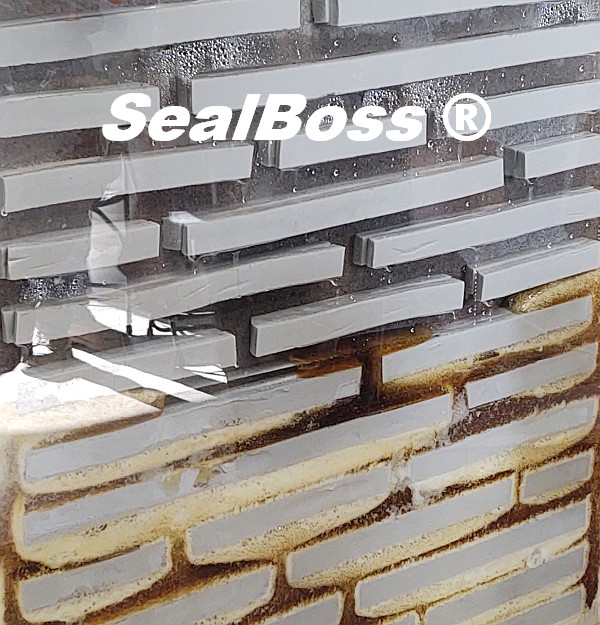
Maze Simulation:Blind Side Waterproofing Injection Technology


A mock-up mimicking a maze-like structure was created using a concrete patio paver fitted with a plexiglass panel. The setup allowed observers to see the hydrophobic foam’s growth as it expanded into confined spaces, utilizing available moisture to polymerize into a closed-cell foam. The foam not only displaced water but also formed a durable, water-repellent barrier, ensuring no further water could penetrate the structure.

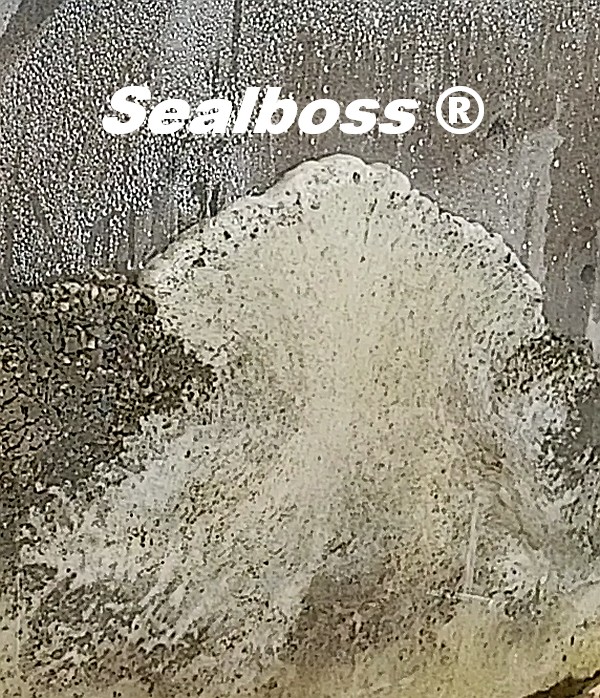
Open Space Simulation:


In the second mock-up, the foam was injected into a wide, open cavity. As moisture was introduced via a pressurized water bottle, the resin reacted, expanded, and filled the void. This demonstrated the foam’s ability to adapt to different spaces, provided moisture was present to trigger the polymerization process.

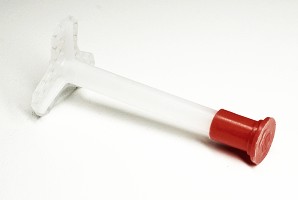
The equipment used in these demonstrations included a signature pump for precise material delivery, as well as versatile packers designed for efficient injection into drilled ports. These tools showcased the seamless application of hydrophobic foam in real-world scenarios.

Video: Curtain Injection Mock-up to Demonstrate Permeation and Expansion of Grout at 2x Speed

Blind Side Injection in Practice

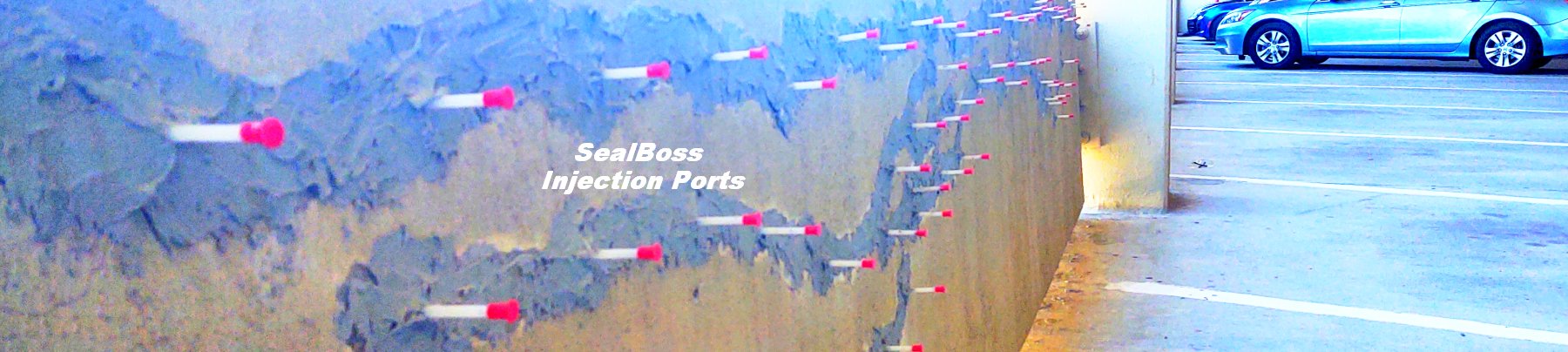
Blind side injection, a cornerstone of modern blind side waterproofing techniques, is currently being implemented in high-profile projects. One such project involves the use of a 2-foot-on-center staggered drilling grid to inject hydrophobic foam behind a wall. This process creates an interlocking network of foam disks on the blind side of the structure, forming a continuous barrier against water intrusion.

This method effectively prevents hydrostatic pressure from pushing water through the wall and into interior spaces. For building tenants and management, the results are clear: dry, functional spaces protected from water damage and its associated risks.

Benefits of Blind Side Waterproofing

Blind side waterproofing, particularly when utilizing curtain and bladder injection technology, offers a range of advantages over traditional waterproofing methods:

Precision: Targets problem areas directly with minimal disruption to the structure.
Durability: Forms a long-lasting, water-repellent barrier that resists moisture infiltration.
Versatility: Effective in confined spaces, large voids, and various construction scenarios.
Cost-Effectiveness: Reduces the need for excavation or demolition, lowering project costs.
Adaptability: Works in a variety of below grade applications.

These benefits make blind side injection an essential tool for contractors looking to provide cutting-edge waterproofing solutions.

A Strategic Advantage for Contractors

With many companies prioritizing lean operations, contractors who expand their capabilities into blind side waterproofing can gain a significant competitive edge. By mastering advanced systems, such as urethane leak seal injection, contractors can position themselves as leaders in the industry while addressing critical waterproofing needs for clients.

Blind side injection technology is not only practical but also highly adaptable, providing reliable solutions in diverse scenarios. This makes it an ideal addition to a contractor’s skill set, enhancing their ability to take on high-value projects.

Best Practices for Blind Side Waterproofing

To achieve success with blind side waterproofing, contractors should follow these best practices:

Comprehensive Site Assessment: Identify areas most susceptible to water intrusion and plan the injection grid accordingly.
Proper Equipment Usage: Utilize specialized pumps and packers for precise material delivery.
Controlled Moisture Introduction: Ensure adequate moisture is available for foam polymerization without over-saturation.
Strategic Drilling Patterns: Use staggered drilling grids to ensure comprehensive coverage.
Ongoing Training: Invest in cross-training teams to maximize efficiency and expertise.

These practices ensure that projects are completed efficiently and to the highest standards.

Blind Side Waterproofing Products
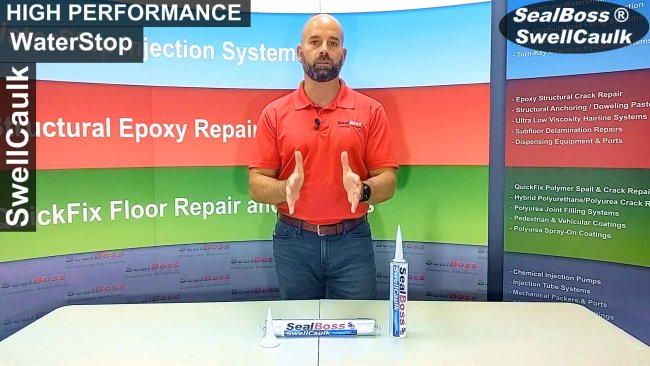
Blind side waterproofing injection systems, such as those offered by SealBoss, provide cutting-edge solutions for preventing water infiltration in below-grade construction. Products like polyurethane foams and resins are designed for rapid expansion and adaptability, effectively permeating soils and aggregate, as well as sealing cracks, voids, and joints even in high-pressure water conditions. Acrylate gels are particularly well-suited for fine crack injection and soil permeation, delivering low-viscosity penetration and forming flexible, long-lasting water barriers.
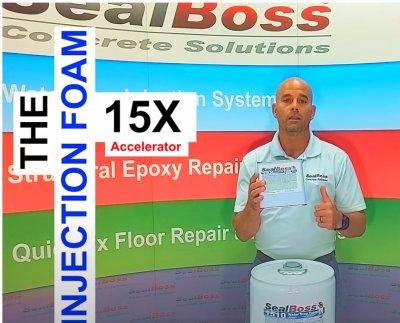
For structural repair and reinforcement, epoxy resins offer exceptional bonding strength and chemical resistance, ensuring durable protection in demanding environments. These advanced materials work seamlessly with SealBoss injection systems to deliver reliable, efficient, and long-term waterproofing solutions.

Learn More About Blind Side Waterproofing

For contractors looking to expand their service offerings, blind side injection and other advanced waterproofing systems present a significant opportunity. By embracing this innovative technology, professionals can tackle complex waterproofing challenges while delivering long-lasting, high-performance results.

To learn more about these systems and how they can enhance your next project, visit SealBoss.com or contact a technical advisor today.

Related Content

Contact Your SealBoss ® Technician

Vehicular Barrier Wall – Bumper Wall Repair

Vehicular Barrier Wall / Bumper Wall Repair

Epoxy Injection Systems

Vehicular Barrier Wall - Bumper Wall Repair

Vehicular Barrier Wall / Bumper Wall Crack Repair with Epoxy Injection Systems

Vehicular barrier walls, commonly referred to as bumper walls, are essential safety features in parking garages. Their primary role is to prevent vehicles from accidentally driving off the edges of ramps or elevated decks, ensuring the safety of both property and occupants. Maintaining the structural integrity and safety of parking structures is paramount.

However, over time these critical structures can suffer from cracks caused by continuous vehicle impacts, stress from structural shifts, weather exposure, and internal pressures from reinforcing cables.

The Damage: Cracked Vehicular Barriers

Cracks in vehicular barrier walls are more than a cosmetic issue; they can significantly weaken structural integrity. Untreated cracks can allow water and contaminants to penetrate the concrete, leading to corrosion of steel reinforcements, spalling concrete, and further weakening the structure. Early detection and prompt repair are crucial for maintaining safety standards and reducing long-term repair costs.

The Proven Solution: Epoxy Injection for Crack Repair

Epoxy injection presents itself as a proven, cost-effective method to repair cracks in structures. The technique involves the injection of a low-viscosity epoxy into the cracks. The injected epoxy fills the void and, once cured, can restore the structural integrity and strength of the concrete structure, warding off further damage.

The Tools: Epoxy Injection and Dispensing System

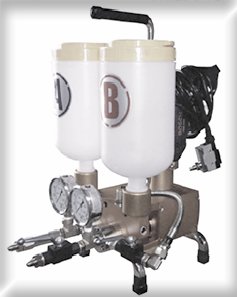
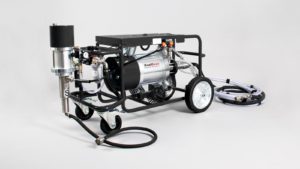
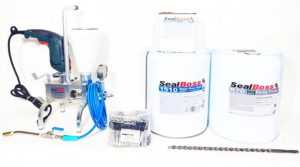
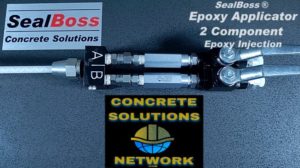
SealBoss P3003 Epoxy Injection Pump and SealBoss Surface Mounted Tri-Base Epoxy Injection Port System

Proven reliability and cost-effectiveness, the SealBoss P3003 Epoxy Injection Pump and SealBoss Surface Mount Tri-Base Ports exemplify a professional solution for epoxy pressure dispensing.

Ideal Applications of Epoxy Injection:

  • Hairline shrinkage cracks
  • Structural cracks due to movement or impact
  • Vertical and horizontal structural surfaces
  • Interior and exterior surfaces of barrier walls

Advantages of Epoxy Injection:

  • Restores structural integrity and strength
  • Waterproofs and seals cracks
  • Prevents corrosion and further deterioration
  • Cost-effective and minimally disruptive

Professional Tools: SealBoss P3003 Pump & Tri-Base Epoxy Injection Ports

The quality of crack repair depends heavily on the materials and equipment used. SealBoss provides a comprehensive solution tailored specifically for professional concrete crack repair applications.

Key Components:

  1. SealBoss P3003 Epoxy Injection Pump
    A high-performance, professional-grade injection pump designed to deliver consistent and precise epoxy injections:
  • Suitable for epoxy and polyurethane resins
  • Standard mixing ratio of 2:1; convertible to 1:1 ratio
  • Delivers pressures up to 5,000 psi
  • Operated with a standard electric drill for portability and convenience
  1. SealBoss Surface Mounted Tri-Base Ports
    These injection ports ensure optimal adhesion and precise epoxy resin delivery:
  • Tri-base design with perforations for superior bonding
  • Easy to mount directly over cracks using non-sag epoxy paste
  • Provides an airtight and secure injection interface

Scope: Inject Structural Cracks on Exterior Vehicular Barrier Wall

Professional Epoxy Dispensing System:
SealBoss P3003 Epoxy Injection Pump & SealBoss Surface Mounted Tri-Base Ports

A successful epoxy injection process relies heavily on the right equipment. The SealBoss P3003 Epoxy Injection Pump and SealBoss Surface Mounted Tri-Base Ports are precisely designed to manage such repairs. Specifically, the P3003 pump is custom-designed with a 2:1 ratio feature in mind, or, if needed, a 1:1 ratio conversion, vital for most structural epoxies, providing optimal curing and strength characteristics.

Procedure: Repairing Cracks with Epoxy Injection

The epoxy injection process kicks off by preparing the crack for repair. Any loose concrete or debris within the crack is removed, the paint is grinded off, and the surface is cleaned thoroughly. For fine shrinkage cracks, the contractor chases the cracks out to allow for proper material travel during injection.

Connectors: SealBoss Tri-Base Ports

The SealBoss Surface Mounted Tri-Base Ports are strategically installed along the crack. Acting as a connector between the injection machine or dispenser, they are placed directly over the crack, and a non-sag, fast setting epoxy paste is built up around the port to ensure a proper seal that can hold pressure.

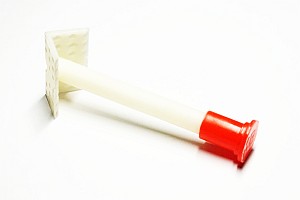
Epoxy Injection Port – Industry Standard Bestseller

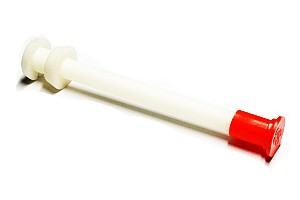
Durable plastic design surface mounted port. Tri-Base design with perforation holes for best possible adhesion. . 

Dispenser: SealBoss P3003 Epoxy Pump

Having completed the preparation phase, the SealBoss P3003 Epoxy Injection Pump is effectively engaged as the device for dispensing the epoxy. This allows for the precise injection of the epoxy resin into the existing cracks through the strategically placed ports. The process starts at the lowest port on a vertical crack or the first port on a horizontal crack. Epoxy is injected until it begins to appear at the next port, signifying that the section of the crack between the ports has been filled. The injection process then proceeds to the next port, repeating the process until the entire crack has been repaired.

Once the epoxy has cured, the ports and the surface seal are removed. The result is a structurally sound bumper wall, restored to its original strength and durability.

  • Versatile,
  • Pumps Epoxy & PU Resin
  • Electric Drill Operated
  • Dual Piston System
  • 5000 psi
  • 2 Comp.
  • Ratio: 2:1 standard, 1:1 custom

Versatile Applications Beyond Vehicular Barrier Walls

Although this article focuses specifically on vehicular barrier walls, the SealBoss epoxy injection system is highly versatile and applicable to numerous concrete repair scenarios, including:

  • Parking decks
  • Concrete beams and columns
  • Basement and foundation walls
  • Retaining walls and infrastructure
  • Bridges and transportation structures

Why Choose SealBoss Epoxy Injection Systems?

SealBoss products and systems are trusted by industry professionals for their reliability and effectiveness:
  • Robust performance backed by years of industry use
  • Easy installation with detailed technical documentation
  • Dedicated technical support to assist with challenging applications

Conclusion

Utilizing the SealBoss P3003 Epoxy Injection Pump combined with SealBoss Surface Mounted Tri-Base Ports delivers a comprehensive, effective, and lasting solution for repairing cracks in vehicular barrier walls and bumper walls. Epoxy injection methods significantly enhance structural integrity, extend the service life of concrete structures, and prevent further damage and deterioration.

For successful crack repair and structural restoration, always consult professionals experienced in epoxy injection systems.

Additional SealBoss Surface Ports and Epoxy Pumps

Epoxy Injection Corner Port

Durable plastic design corner surface port suitable for epoxy injections. Corner base design with perforation holes for best possible adhesion. 

Epoxy Injection Drill Hole Mount Port

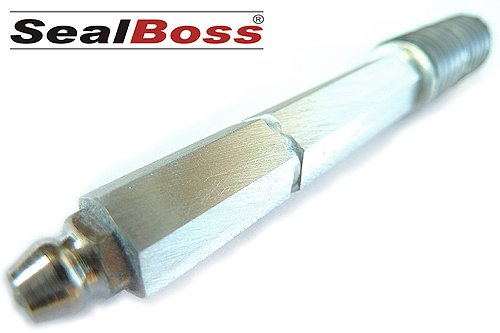
Durable plastic port designed to fit 1/2″ drill hole for higher injection pressures than regular surface ports. 

  • Top of the Line – Professional Use
  • Pumps Epoxy & PU resin
  • Pneumatic
  • 850 psi
  • 2 Comp.
  • Ratio: 2:1 Standard, 1:1 custom
  • Top of the Line – Professional Use
  • Pumps Epoxy & PU resin
  • Pneumatic
  • 1000 psi
  • 2 Comp.
  • Ratio: 2:1 Standard, 1:1 custom
Contact Your SealBoss ® Technician

Versatile Injection Grout SealBoss 1510

SealBoss 1510 Features Summarized in a 5 Minute Overview


Podcast Transcript

Okay, let’s unpack this. You know, imagine maybe a historic building standing firm despite relentless groundwater. Or maybe a subway tunnel where not a single drop seeps through. Ever wondered how critical challenges like persistent water leaks in concrete or maybe unstable soil beneath massive structures are actually tackled? Today, we’re taking a deep dive into a powerful, often unseen solution that really gets into the structure of our world. Our mission then is to explore what’s widely considered the most versatile injection grout out there: SealBoss 1510. You might also know it as Water Stop Foam.

Yeah, that’s right. And it’s not just any product. It’s a flagship for a reason. It’s specifically engineered for professional use across a really surprising and vital range of applications. It’s one of those silent heroes, really.

Okay, so let’s get into the nitty-gritty then. What is this water foam? Is it like the spray foam insulation you might use in your attic, or something else entirely?

That’s a great question. They’re both foams, yes, but very different chemistry and purpose. SealBoss 1510 is actually a specialized liquid sealant first. We call it hydrophobic, which basically just means it repels water—it actively pushes it away. And critically, it’s water-activated. The moment it hits water—bang!—it kicks off a chemical reaction, okay?

It expands, forming this dense, impermeable foam. It’s based on MDI polyurethane. That’s a really robust polymer, very durable. Plus, it’s formulated to be 100% solvent-free and 100% solids. Very pure, very potent stuff. And when you mix it with its 15X accelerator additive—well, that one is really designed to cut off flowing water almost instantly.

Yeah. Hold on, 40 times expansion? Did I hear that right? That sounds huge.

You did—40 times. It’s pretty astounding.

So, you could fill up massive voids with just a tiny amount of product. That seems incredibly efficient.

Exactly. That huge expansion factor isn’t just for show. It’s a total game-changer for efficiency on-site. It means you can tackle really big voids and high-volume leaks with surprisingly little material. It makes jobs faster, more effective, and ultimately saves costs.

Makes sense.

And beyond that, here’s where its credentials really make a difference. It’s NSF/ANSI 61 certified for drinking water contact.

Okay, that sounds important. NSF/ANSI 61. What does that actually mean in practice for where it can be used?

Oh, it’s absolutely vital. That certification means it’s proven safe to use in critical drinking water infrastructure. Think reservoirs, water treatment plants, the pipes carrying water to your tap, right?

It guarantees no harmful stuff leaches into the water supply. That’s a huge differentiator, something generic products just can’t claim.

Oh, I see.

And just on a practical note, it’s even unregulated for transport, which might sound minor, but it really simplifies getting it to job sites, especially tricky ones.

That’s a lot packed into one product for stopping leaks.

Yeah.

So, thinking about concrete leaks specifically, what kind of cracks are we talking about? Does it work for absolutely everything?

Well, for most crack injection scenarios in concrete, this foam is definitely the go-to. It’s incredibly versatile. It handles everything from tiny hairline cracks you can barely see all the way up to gaps about 3/4 of an inch wide.

Okay, 3/4 inch. So, what if it’s wider than that? A really big gap?

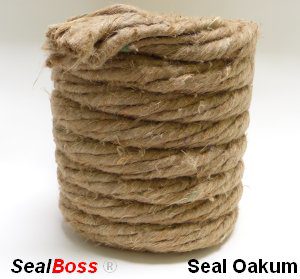
Yeah. For those wider, more challenging ones, there’s the oakum method, sometimes called the oakum rope method. It involves soaking a special fibrous rope, oakum, in the 1510 liquid and then packing that soaked rope into the larger crack.

The foam then expands in and around the oakum, creating this really robust composite seal. Very strong, very long-lasting.

Right. Got it. You mentioned versatility earlier, and I’m really struck by how far its uses go beyond just filling cracks. What else can this stuff do?

Oh yeah, its applications really do extend significantly beyond just simple crack repair. If you look at the bigger picture, yes—general leak sealing, concrete repair—but also vital void filling. That’s a big one. For instance, injecting it underneath concrete slabs. Imagine a sinking driveway or maybe a warehouse floor that needs lifting or stabilizing. That’s often called blanket injection.

The foam spreads out horizontally like a blanket, creating a solid support layer underneath.

Okay, blanket injection.

Or say you have water constantly seeping through a basement wall; you can inject the 1510 behind the wall itself. It creates this impermeable curtain or bladder of foam back there. Stops the water before it even gets to the concrete. That’s curtain injection.

Curtain injection. Wow. And I definitely saw something about soil stabilization, too. That sounds like a completely different field of engineering almost.

It really is. And it just shows the material’s adaptability. If you use just a low percentage of that 15X accelerator, the reaction changes. The material’s properties shift, and it becomes this highly effective soil stabilization grout.

How does that work?

It basically permeates into loose soil or pockets of gravel deep underground. Then it expands and hardens, binding everything together. Turns unstable ground into a solid, cohesive mass.

Incredible.

Which makes it super valuable for really challenging geotechnical projects. Things like supporting deep excavations, keeping tunnels stable while boring, strengthening the ground. It prevents collapses, keeps things safe. It truly shows the breadth of it, you know, from sealing a tiny leak to basically fortifying sections of the earth.

So, what does this all mean for you listening in? Well, next time you walk past a construction site, see a newly stabilized building foundation, or maybe just notice your own basement is miraculously dry after a downpour, you’ll know there could be a highly specialized material, something like SealBoss 1510, working unseen, solving these complex problems that quietly keep our world structurally sound and running smoothly.

Absolutely. It just highlights how these specific advancements in material science really underpin the safety, stability, and longevity of everything we build—often without us even realizing the complex solutions involved. So maybe think about this: what stands out to you about the unseen materials, the hidden technologies that make our everyday environment work?

Dam Spillway Leak Sealed

Dam Spillway Leak Sealed

SealBoss 1510 Polyurethane Foam

SealBoss 1510 Leak Sealing Application

What is the Purpose of a Spillway in Dams?

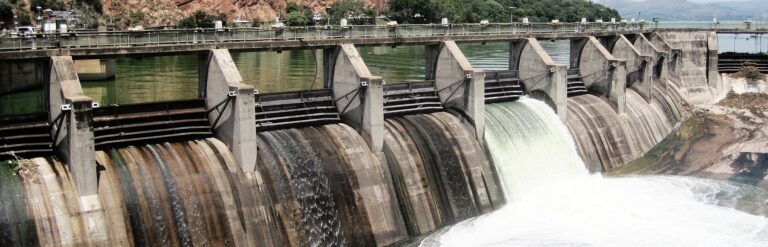
A spillway serves a critical function in dam systems. Either incorporated into the dam’s structure or built adjacent to it, a spillway facilitates the controlled and secure discharge of surplus water downstream.

Introduction

Spillways play a critical role in safely managing excess water in dam systems. Over time, leaks can develop in cold joints and cracks, posing structural risks and operational challenges. Traditional repair methods often fall short—especially under high water pressure.

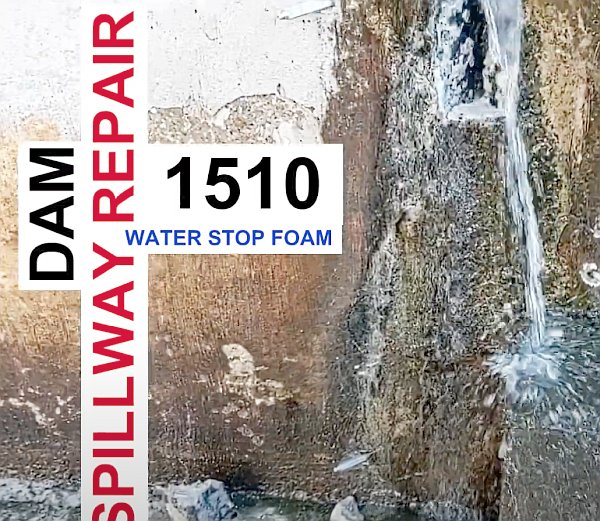
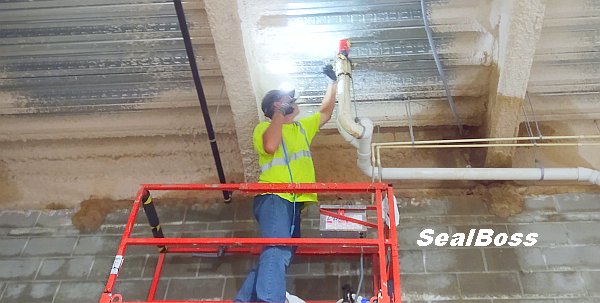
SealBoss 1510 Water Stop Foam offers a reliable solution. Its hydro-active, expanding polyurethane formula penetrates deep into leaking areas, sealing active water flow and forming a durable, watertight barrier. This article highlights a successful spillway leak repair using Water Stop Foam, demonstrating its effectiveness where other methods failed.

SB 1510 Polyurethane Foam in Dam and Spillway Leak Sealing

Dam Spillway Leak Sealed with Advanced Polyurethane Foam Injection

When it comes to critical infrastructure, few challenges are more pressing than water intrusion in dams. One of the most effective solutions available today is SealBoss 1510 Water Stop Foam, a high-performance, hydro-active polyurethane product. This case study and technical overview demonstrate how a dam spillway leak was sealed using SB 1510 polyurethane foam, offering a lasting and economical solution.

Why Polyurethane Foam for Dam and Spillway Leak Repairs?

Polyurethane foam is widely respected for its low viscosity and superior adhesive properties, making it ideal for sealing active water leaks in dam and spillway structures. Its hydro-reactive nature enables it to expand on contact with water, effectively filling cracks, joints, and voids — even under high-pressure flow.

When injected into a leaking dam or spillway, the foam penetrates deeply into fissures and gaps. It reacts quickly with water, expands, and cures into a solid, waterproof barrier. This process forms a robust seal that prevents further water ingress and strengthens the surrounding substrate.

How Dam Spillway Leaks Are Sealed Using SealBoss 1510

The leak remediation process begins with drilling holes along the affected cold joints or cracks in the dam spillway. Mechanical injection packers are then installed, allowing SealBoss 1510 to be injected precisely where needed. The foam expands rapidly within the concrete structure, bonding to the substrate and stopping the leak at its source.

After curing, the foam forms a permanent repair that is resilient, flexible, and capable of withstanding ongoing hydrostatic pressure—making it one of the best solutions when a dam spillway leak must be sealed quickly and reliably.

Case Study: Dam Spillway Leak Sealed After Multiple Failed Repairs

Background: Persistent Cold Joint Leak

SealBoss was contracted to repair a leaking cold joint in a dam spillway—one that had already failed four previous repair attempts. Prior caulking had eroded due to continuous water pressure, allowing active leakage through the “V” notched joint. With increasing water infiltration, the situation called for a proven, robust method to get the dam spillway leak sealed once and for all.

Step-by-Step: Leak Sealing with SB 1510 Water Stop Foam

  • Surface Prep and Joint Access
    Technicians began by removing loose and deteriorated caulking to fully expose the leaking joint. Drill holes were made adjacent to the joint, and active water flow confirmed correct placement.

  • Oakum Soakum Technique
    To immediately address the gushing leak, the team applied the Oakum Soakum method using SealBoss 1500 Seal Oakum saturated with SealBoss 1510 and accelerated with 15x Accelerator for fast reaction and curing. The oakum was placed directly into leaking crevices to form an initial water block.

  • Injection Packer Installation
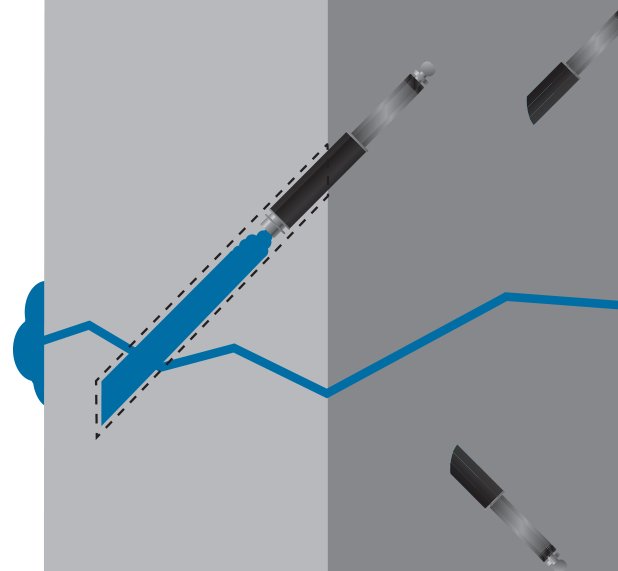
    Next, 13-100 AL mechanical packers were installed in a staggered vertical pattern, based on SealBoss’s 1 – 2 – 3, 45 – Degree Injection Guidelines. Strategic spacing ensured coverage while avoiding rebar interference.

  • Polyurethane Injection
    Using the SealBoss P2002 injection pump, catalyzed SB 1510 foam was injected starting from the lowest packer. Controlled pauses allowed the resin to expand fully, minimizing waste while maximizing penetration.

Result: Dam Spillway Leak Sealed with Lasting Effect

All leaking joints were successfully sealed. The high-pressure, active leaks were stopped effectively, and the structure’s integrity was restored. This application proved once again that SealBoss 1510 polyurethane foam is a powerful tool in dam and spillway leak sealing.

Conclusion

If you’re facing persistent water intrusion, cracks, or joint failures in spillway structures, getting the dam spillway leak sealed properly is critical.

The SealBoss 1510 Water Stop Foam injection system provides a fast, durable, and cost-effective repair method—even under high-flow conditions.

This proven technology not only stops active leaks but also extends the life of dam infrastructure. As this case study demonstrates, polyurethane grout injection is the gold standard for dam and spillway maintenance.

Ready to get your dam spillway leak sealed?
Contact SealBoss today at 714-662-4445 or visit our website to connect with an expert and find the right solution for your project.

Contact Your SealBoss ® Technician

Dam Erosion and Sediment

Dam
Erosion and Sediment

Dam Erosion and Sedimentation Control
with Polyurethane Grout Injection Systems

Dam Erosion and Sedimentation Control with Polyurethane Grout Injection Systems

Introduction:

Dam erosion and sediment accumulation in dams present significant challenges, threatening their structural integrity and operational efficiency. Polyurethane grout emerges as an innovative, durable, and versatile solution to effectively address these critical issues. This article explores the advantages of polyurethane grout in managing erosion, sedimentation, and leak control, highlighting its essential role in ensuring the long-term safety and performance of dams.

Polyurethane Grout for Dam Erosion, Sediment, and Leak Control

Understanding Dam Erosion and Sediment Accumulation

Erosion occurs naturally as water infiltrates dams through cracks, joints, and fissures, gradually weakening concrete and soil structures. Additionally, incoming water carries sediment —soil, sand, gravel— which accumulates behind dams, significantly reducing reservoir capacity and placing increased structural stress on dam infrastructure.

Impacts of Erosion and Sedimentation

Structural Risks
Erosion compromises dam stability, potentially leading to structural failure. Sediment build-up exerts additional pressure on dam structures and impedes water flow.

Reduced Operational Efficiency
Sediment accumulation diminishes water storage capacity, adversely affecting flood control, hydroelectric power generation, irrigation, and drinking water supply.

Environmental Concerns and Safeguards

The environmental implications of dam leaks can be significant. Accumulated sediments disrupt downstream ecosystems and water quality, harming aquatic life and ecosystems by altering natural sediment flows and introducing contaminants. Leaks may carry contaminants into natural waterways. SealBoss Water Stop Systems featuring NSF-Certified Polyurethane Grouts can offer an environmentally safe solution for leak sealing, contributing to environmental sustainability.

Polyurethane Grout: A Robust Solution for Dam Erosion and Sedimentation

Polyurethane grout offers an effective, adaptable solution to combat erosion and sediment-related issues, significantly surpassing traditional methods. Its inherent flexibility allows it to accommodate the dam’s natural movements, maintaining a strong, watertight seal over time.

Benefits of Polyurethane Grout in Dam Applications

  • Versatility:
    Suitable for concrete and earth dams, polyurethane grout is effective in crack injection, soil stabilization, permeation grouting, and sediment barrier formation.
  • Rapid Curing and Reduced Downtime:
    Quick curing and hydro-active properties minimize operational interruptions, crucial for essential infrastructures such as hydroelectric power plants and water supply dams.
  • Economic Advantages:
    Polyurethane grout’s long-term durability reduces maintenance costs, and rapid curing times help maintain continuous energy production, offering substantial cost savings.

Advanced Solutions from SealBoss for Dam Erosion and Sediment Control

SealBoss polyurethane grout injection systems deliver precise, reliable erosion control, leak sealing, and sediment management. Key applications include:

  • Polyurethane Soil Stabilization:
    Injecting polyurethane resins stabilizes surrounding soils, mitigating erosion and preventing sediment influx.
  • Leak Sealing and Void Filling:
    SealBoss products effectively address leaks and fill voids, reinforcing dam infrastructure and preventing further erosion and sediment-related damage.
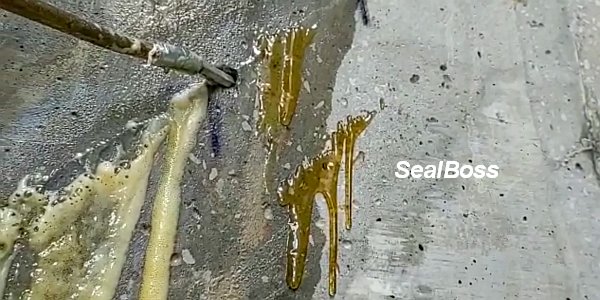
  • Structural Reinforcement:
    Polyurethane injection significantly enhances the structural integrity of dam walls and spillways, extending infrastructure lifespan and reliability.

Energy Efficiency and Environmental Protection

Leaks and erosion negatively impact dams’ energy generation potential. By sealing these vulnerabilities with polyurethane grout, dams maintain maximum energy output and protect against environmental harm, offering an environmentally safe, NSF-certified solution.

Best Practices for Effective Dam Maintenance

Dam owners and operators should adopt proactive strategies, including:

  • Comprehensive Inspection:
    Regularly inspect and monitor for erosion and sediment issues.
  • Expert Consultation:
    Engage specialists experienced in dam infrastructure.
  • Quality Materials:
    Use high-quality polyurethane grout from reputable suppliers.
  • Professional Implementation:
    Contract skilled professionals familiar with polyurethane grout applications.
  • Ongoing Monitoring:
    Continuously assess effectiveness post-repair to ensure sustained performance.

Contact SealBoss for Expert Assistance

With decades of expertise in polyurethane grout technology, SealBoss offers specialized recommendations and connects you with experienced contractors skilled in dam repairs, including crack and joint sealing, curtain wall grouting, permeation and consolidation grouting, and injection waterproofing techniques.

Conclusion

Polyurethane grout injection systems present a comprehensive, durable, and economically viable solution to erosion, sediment accumulation, and leakage challenges in dams. Its versatility and effectiveness ensure long-term dam safety, structural integrity, operational efficiency, and environmental sustainability.

Call to Action

Enhance your dam’s safety and efficiency with SealBoss polyurethane grout solutions. Contact us at 714-662-4445 or via our Contact Form for tailored, expert-driven support in maintaining your dam’s integrity.

Related Links

Contact Your SealBoss ® Technician

Hydrophilic Swelling Waterstop Joint Sealing Profile

Hydrophilic Swelling Waterstop Joint Sealing Profile

Swellable Waterstop - SealBoss SwellTape

What are Hydrophilic Expandable Waterstops?


Understanding Hydrophilic Expandable Waterstops

Hydrophilic waterstop PROFILES and SEALANTS are used in construction joints in  commercial and residential below ground structures with a low to medium ground water pressure.

Applications include pipe and steel work penetrations through walls and floor slabs, connecting joints in diaphragm walls, construction joints in in-situ and precast concrete, cable ducts and more.
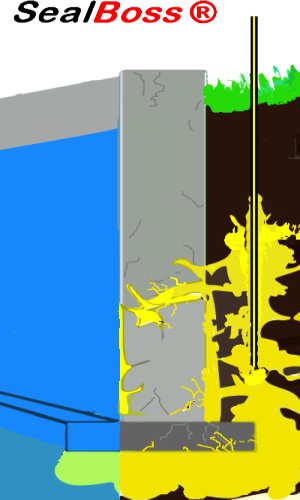
Hydrophilic expandable waterstops, also known as swelling rubber waterstops, are specifically designed to function as sealants that prevent moisture infiltration and water migration in to seal all types of joints and penetrations in concrete, including cold joints and construction joints. These waterstops possess the unique ability to expand by over 400% in volume when exposed to moisture, forming a flexible and watertight compression seal. 

Two Types – Profiles and Sealants

Hydrophilic swelling waterstop joint sealing products can be categorized into two types – Profiles and Sealants.
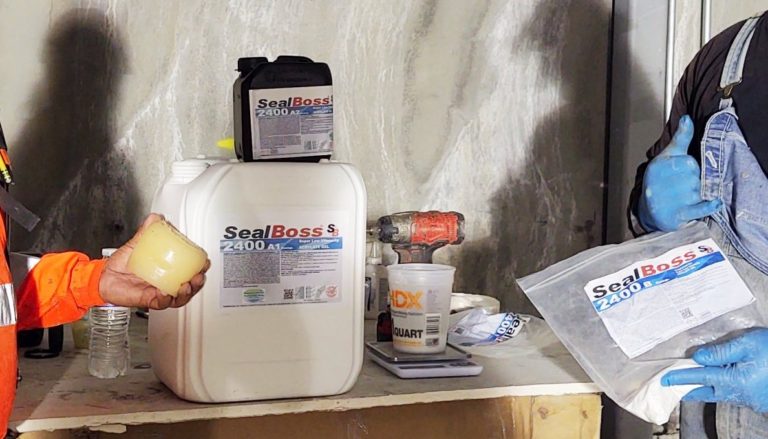
  • Profiles: Under the Profiles category, we offer SwellTape, a joint sealing profile that expands in volume while retaining its dimensional stability.
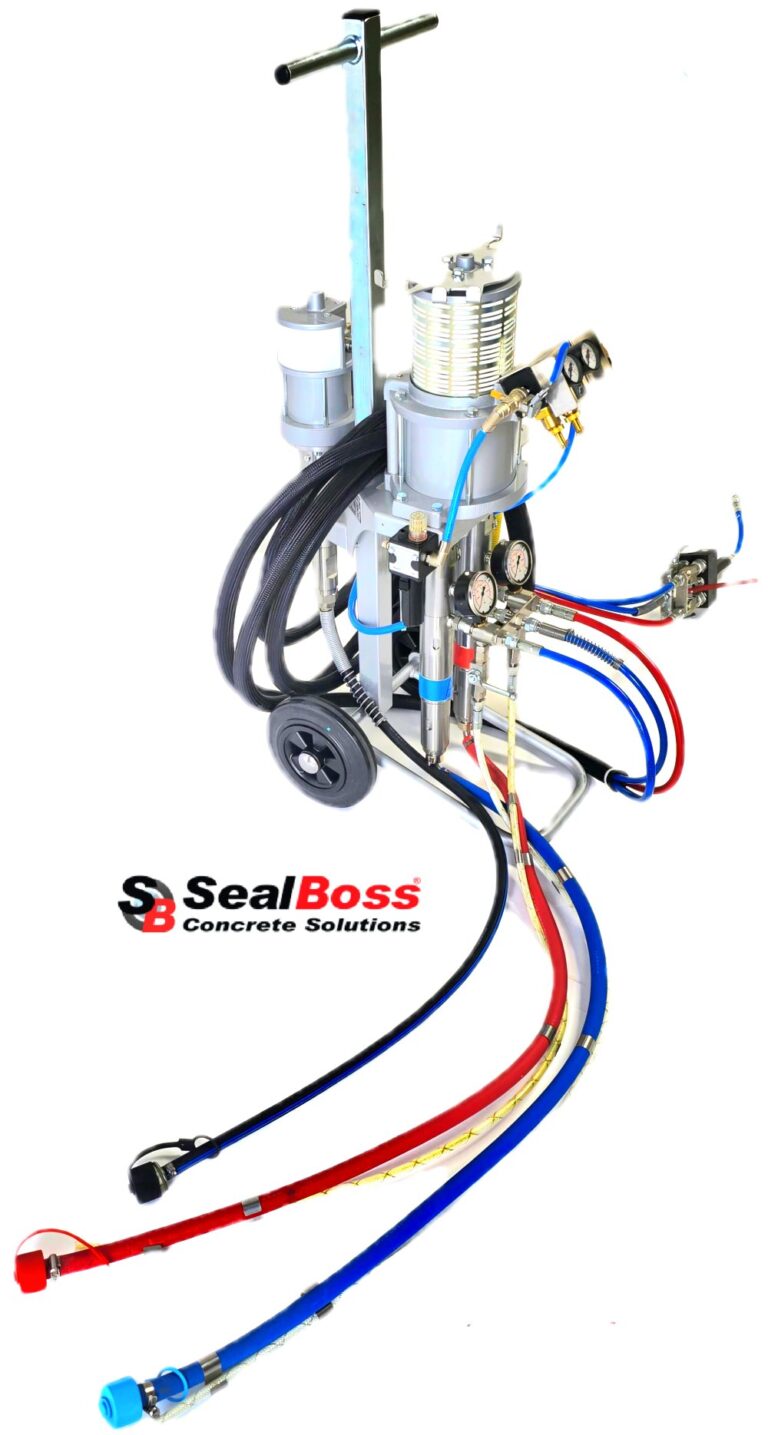
  • Sealants: The Sealants category features SwellCaulk, a one-part, moisture-curing polyurethane sealant featuring a balanced expansion rate and distinctive swelling properties.
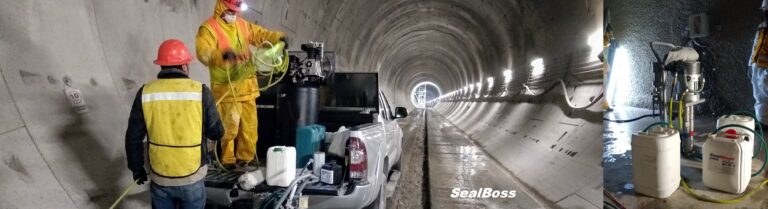
Application: Expandable Waterstops for Cold Joints and Construction Joints

Cold joints and construction joints represent areas in concrete structures that are particularly susceptible to leaks and cracks due to water penetration. Unchecked water ingress can lead to a range of issues that compromise a structure’s integrity, including:

  • Rebar corrosion: Water infiltration can cause corrosion in the reinforcing steel, which may weaken the structure over time.
    Expansion cracks: Expansive forces resulting from water penetration can lead to the formation of cracks in the concrete
  • Frost and thaw cycle damages: Repeated cycles of freezing and thawing can cause deterioration in concrete structures, particularly in colder climates
  • Health hazards: Mold and fungus growth resulting from moisture infiltration can lead to adverse health effects for occupants.

By employing hydrophilic expandable waterstops in cold joints and construction joints, builders can mitigate these risks, ensuring the longevity and stability of concrete structures. 

SealBoss offers an assortment of hydrophilic waterstops that have demonstrated their quality and cost-efficiency in managing water containment issues. These products are suitable for a wide array of applications, whether the goal is to retain or prevent water ingress.

Tunnel Segments
Hydrophilic Swelling Waterstop
SwellTape Expansion

What is SealBoss SwellTape?

SwellTape is a water-activated swelling waterstop synthetic rubber strip used to stop water infiltration through cold joints (see definition below) and concrete construction joints.

Hydro-active SwellTape is an advanced, specially designed, non-bentonite swelling rubber product that reacts with water by gradually and consistently increasing its volume. This expansion is carefully controlled to prevent any potential damage or disruption to the surrounding area. To securely attach the tape to the substrate, it can be embedded in SealBoss SwellCaulk , which acts as an adhesive.

Hydrophilic Swelling Waterstops  – Tape Strips and Caulk Options

SealBoss offers a variety of high quality and cost effective hydrophilic waterstops which can be either applied in as tapes or strips, or as gun grade caulk using a caulking gun for a very quick install procedure.

SealBoss state-of-the-art have a proven track record for being a high quality and a cost effective solution.

SwellTape – Pressure Seal

While expanding, SealBoss SwellTape creates a pressure seal, thereby stopping the flow of water through the joint and creating a permanent seal. SwellCaulk can withstand high hydrostatic pressures when installed to specification.

What is a Cold Joint?

A cold joint is the area in the concrete operation, where fresh and existing concrete meet, creating a fine joint caused by a lack of bonding / cohesion of the old and new concrete.  The cold joint is created when the original batch of concrete has begun to set (or is fully cured) before the next fresh batch is added. The two batches do not form a strong  bond and create a  for water to migrate. 

SwellTape Applications

  • Water Stop and Leak-Seal Caulk for Cold Joints / Construction Joints
  • Retaining walls
  • Foundations
  • Slabs on Grade
  •  Tunnels and culverts
  • Dams, Canals
  • Pipe penetrations

SwellTape Application Advantages

  • Works on Smooth, Rough, Irregular Concrete Substrates
  • Horizontal & Vertical poured-in-place Concrete Joints
  • Expansion Delay Formula to allow Concrete Cure Prior to Expansion
  • Reliable and Durable
  • Retro-fit and New Construction
  • Can withstand high Hydrostatic Pressures

SealBoss Training

Popular Cold Joint / Construction Joint Water Stop Systems Links

Contact Your SealBoss ® Technician
Popular Posts
More Posts
Archives
Categories
Scroll to Top