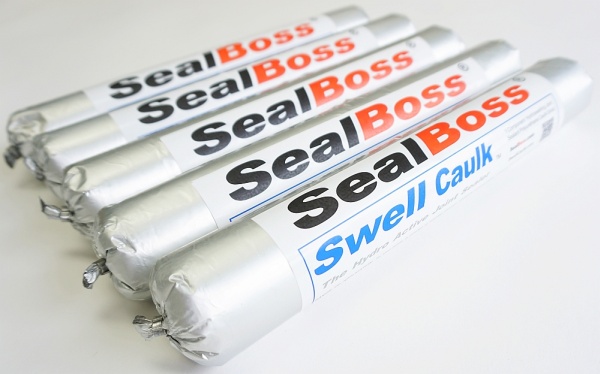

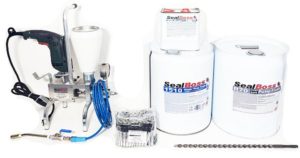
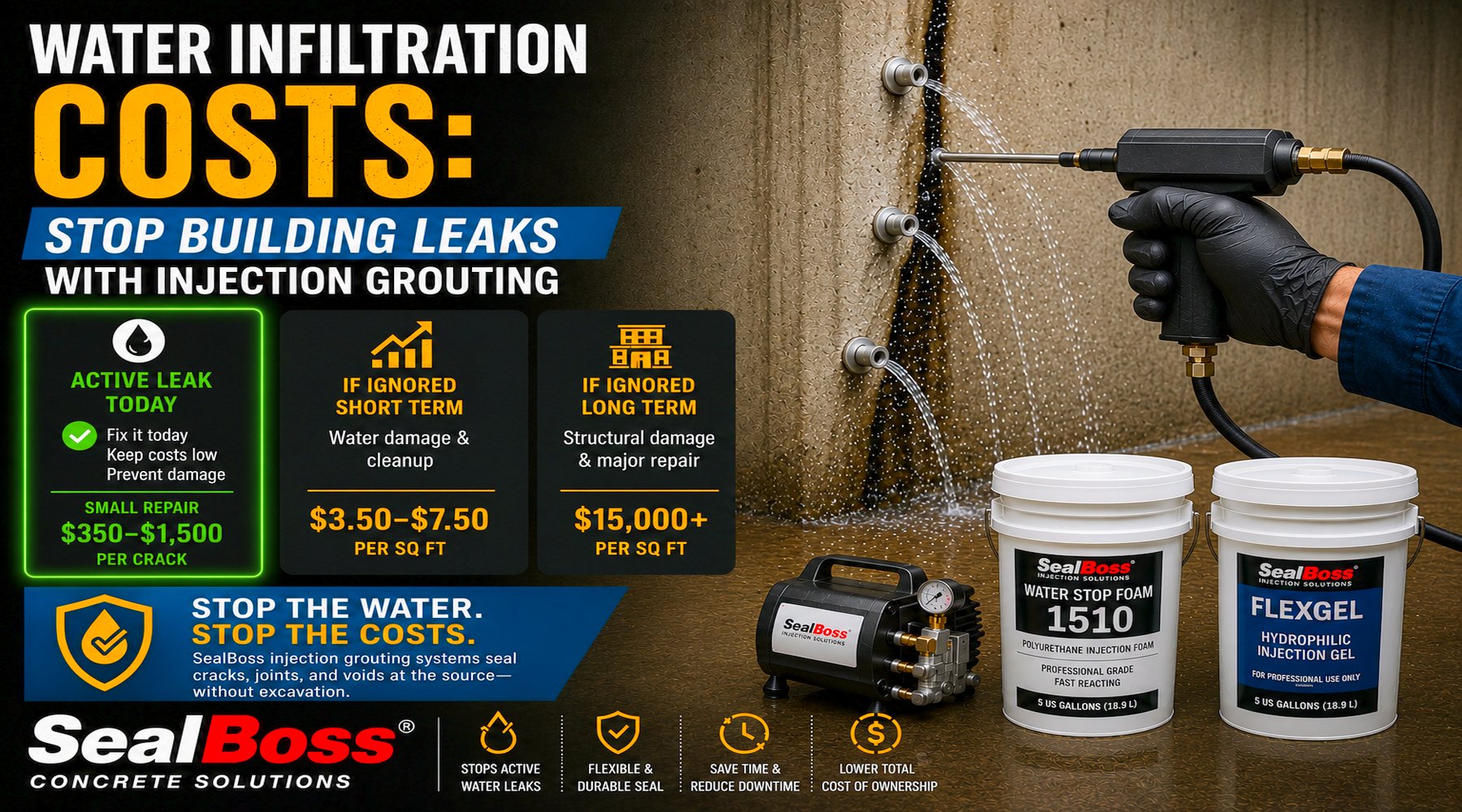
Product packaging & labeling shown are illustrative and may vary.
Water Infiltration Costs & Injection Grouting | SealBoss
Water infiltration costs rise quickly when active leaks are not sealed at the source
Small leaks rarely stay small. Once water finds a path through concrete, every storm, pressure cycle, and wet-dry event can add cost — cleanup, downtime, damage, liability, and eventually structural repair.
Water infiltration is not just a stain on a wall or a puddle on a floor. It is evidence of an open pathway through the structure.
For facility managers, property owners, engineers, and repair contractors, the priority is simple: identify the water path and stop it before the damage spreads. Surface patches may hide the symptom, but professional leak-seal injection grouting is designed to seal the route water is actually using.
SealBoss leak-seal systems are built for that purpose: water stop foams, flexible polyurethane resins, hydrophilic gels, acrylate gels, pumps, packers, ports, oakum systems, pipe kits, and technical support — all focused on stopping active water intrusion at the source.
What Water Infiltration Can Cost
Water Infiltration Costs: What Building Owners May Pay
The cost of water infiltration is not measured only by the crack. It is measured by how far the water has traveled and what it has reached.
| Condition / Scope | Typical Cost Range | What It Usually Includes |
|---|---|---|
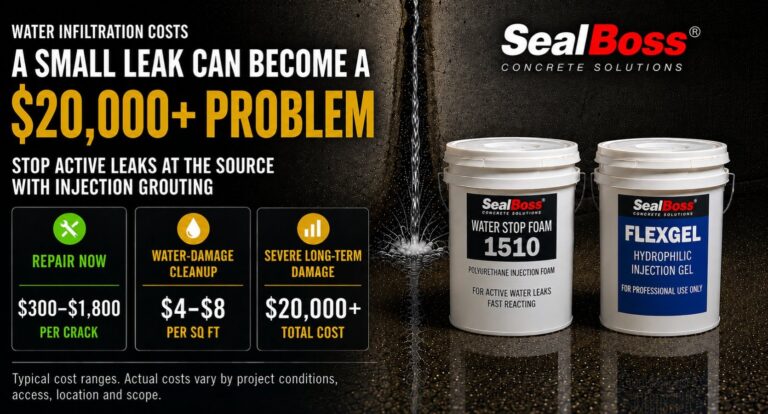
| Single active crack or joint | $300–$1,800 per crack | Interior polyurethane injection of one leaking wall crack, cold joint, or construction joint without excavation |
| Multiple cracks or larger leak area | $2,000–$7,000 per project | Several injected cracks, a leaking wall section, floor-to-wall joint, slab area, pit, vault, or below-grade structure |
| Water-damage cleanup after spreading | $4.00–$8.00 per sq ft | Drying, demolition, cleanup, flooring replacement, finish repair, contents handling, and restoration work |
| Severe long-term infiltration | $20,000+ | Corrosion-related damage, concrete spalling, reinforcing steel exposure, structural repair, or partial removal and replacement |
| Major structural removal and replacement | $100–$300 per sq ft | Extensive demolition, concrete replacement, reinforcement repair, and reconstruction where deterioration has advanced |
Cost note: These are general industry-average ranges compiled from published concrete-repair, crack-injection, and commercial water-damage restoration cost guides. Actual costs vary by site conditions, access, water pressure, region, severity, and project requirements.
The lesson is straightforward: the cheapest leak is usually the one repaired before water reaches finishes, flooring, equipment, tenants, inventory, or reinforcing steel.
The Real Problem Is the Water Path
Concrete is strong, but it is not automatically watertight.
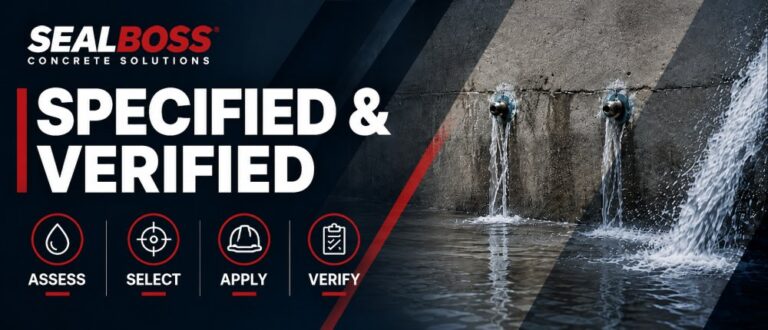
Water can enter through shrinkage cracks, cold joints, construction joints, pipe penetrations, honeycombed concrete, slab joints, wall cracks, tie holes, and voids. Below-grade structures are especially vulnerable because hydrostatic pressure can push water through even small openings.
Once water has a connected pathway, it will continue to use it.
That is why the visible leak can be misleading. The water may appear at one location, but the entry point or travel path may be inside the wall, beneath the slab, around a penetration, or along a joint.
A lasting repair must address the path, not just the wet surface.
Why Surface Patches Often Fail
Many leak repairs fail because they are applied to the side where the water appears, not the side where the pressure originates.
In below-grade structures, water pressure usually comes from the positive side — the soil side, exterior side, or water-bearing side of the structure. The repair crew often works from the negative side — the interior face of the wall, slab, pit, tunnel, or vault.
That creates the classic patch-and-repeat problem:
- The stain is painted.
- The joint is patched.
- The surface is coated.
- The area looks dry for a while.
- Water pressure returns.
- The leak reappears through the same path or nearby.
A surface repair may improve appearance, but it does not necessarily fill the crack, joint, void, or penetration through the structure. If the water path remains open, the cost cycle continues.
SealBoss Injection Grouting: Stop the Leak Where It Lives
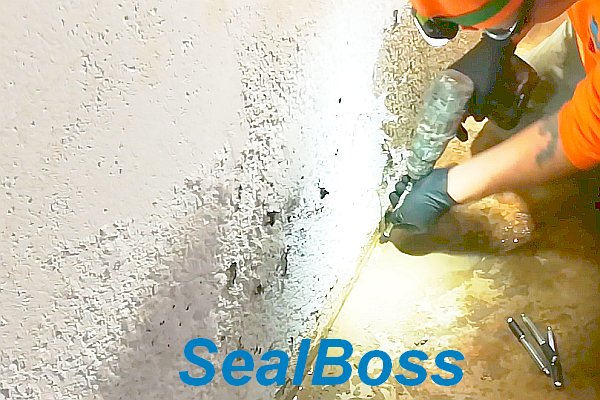
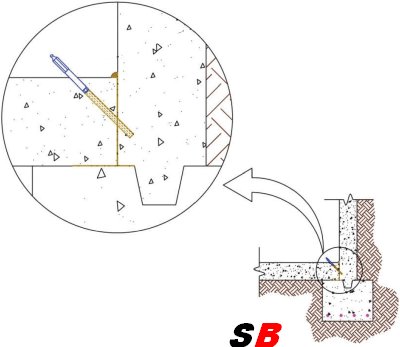
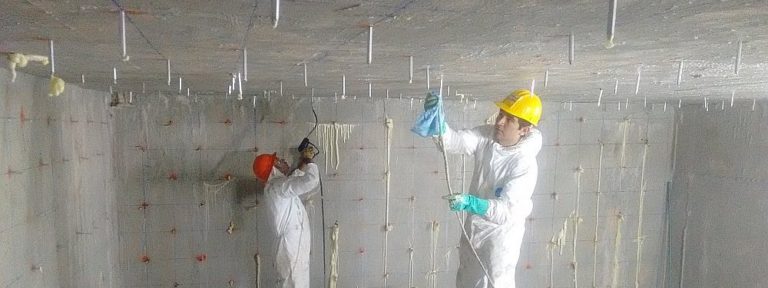
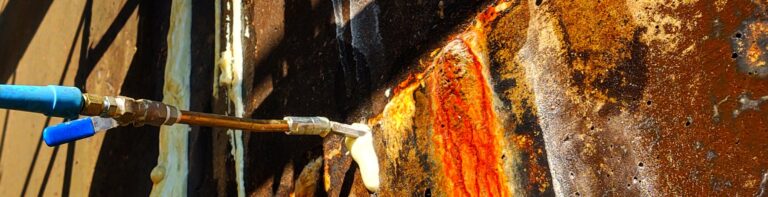
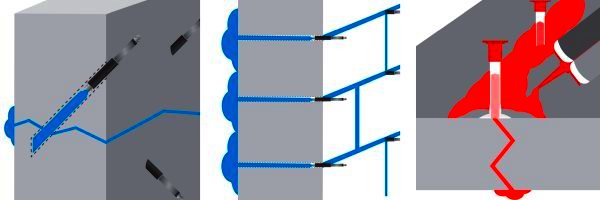
SealBoss leak-seal injection grouting places the repair material directly into the pathway used by the water.
Depending on the condition, trained contractors can inject water-reactive polyurethane foam, flexible resin, hydrophilic gel, acrylate gel, or related leak-seal materials into cracks, joints, voids, and penetrations.
The purpose is not to cover the leak.
The purpose is to fill and seal the route water has created.
That is the difference between cosmetic waterproofing and active leak sealing.
Matching the SealBoss System to the Jobsite Condition
Different leaks require different materials. A high-volume gusher is not the same as a hairline weep. A moving joint is not the same as a static crack. A pipe penetration is not the same as a curtain-grouting condition.
| Field Condition | SealBoss System Direction | Product-Line Connection |
|---|---|---|
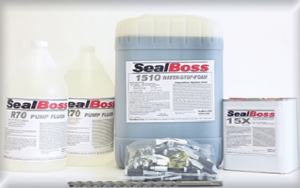
| Active water through cracks or joints | Hydroactive polyurethane water stop foam injection | SB 1510 Water Stop Foam, SB 1500 Leak Seal Foam |
| High-flow or gushing leaks | Fast-reacting foam with accelerator control | SB 1510 with SB 15X Accelerator |
| Moving cracks or dynamic joints | Flexible water stop foam or flexible resin | SB 1570, SB 1570 LV, SB 1403, SB FlexGel |
| Hairline cracks and tight fissures | Low-viscosity or super-low-viscosity resin | SB 1570 LV, SB 1403 SLV, SB 2400 Acrylate Gel |
| Curtain grouting or wet soil-side conditions | Hydrophilic gel or acrylate gel systems | SB FlexGel, SB 2400 Acrylate Gel |
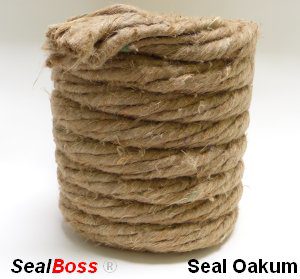
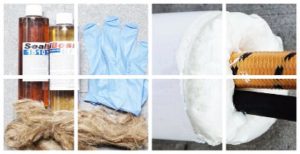
| Pipe penetrations and annular spaces | Resin with sealing accessory system | SB Seal Oakum, SB Seal Pipe Kit, Water Stop Foam |
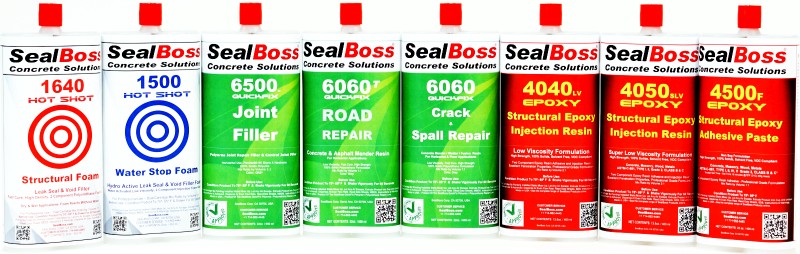
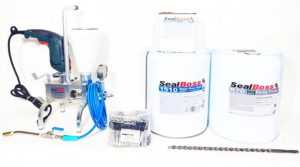
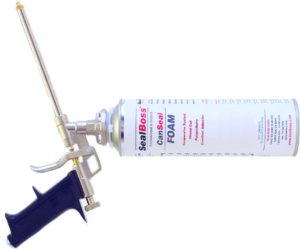
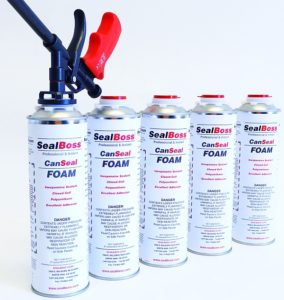
| Small-job or rapid-response repair | Cartridge or kit-based system | SB Hot Shot cartridges, SB CanSeal Foam Kit |
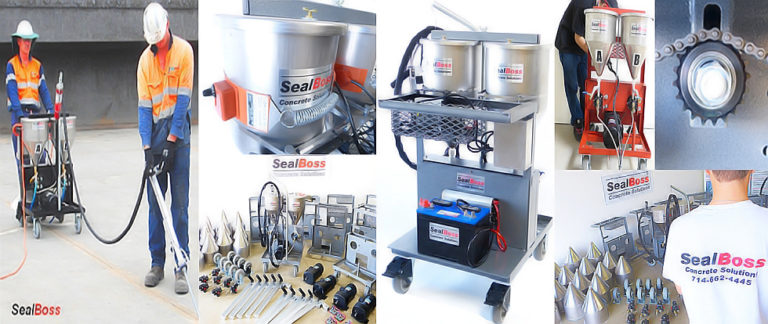
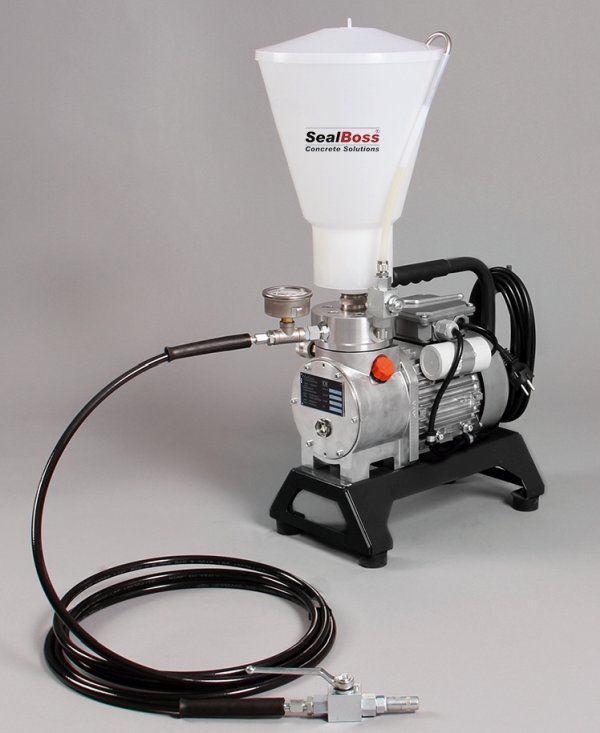
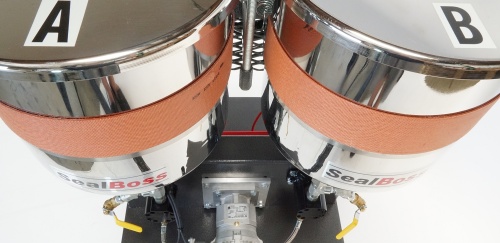
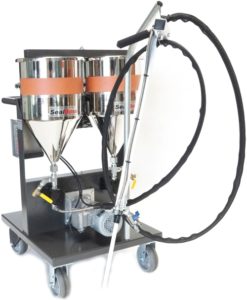
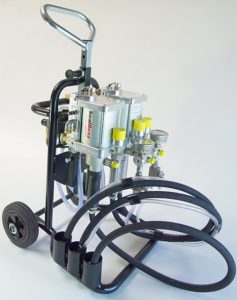
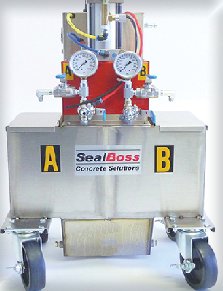
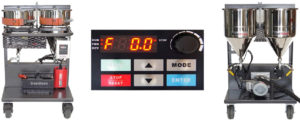
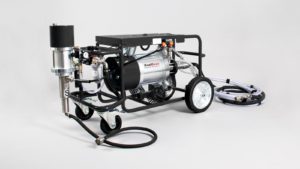
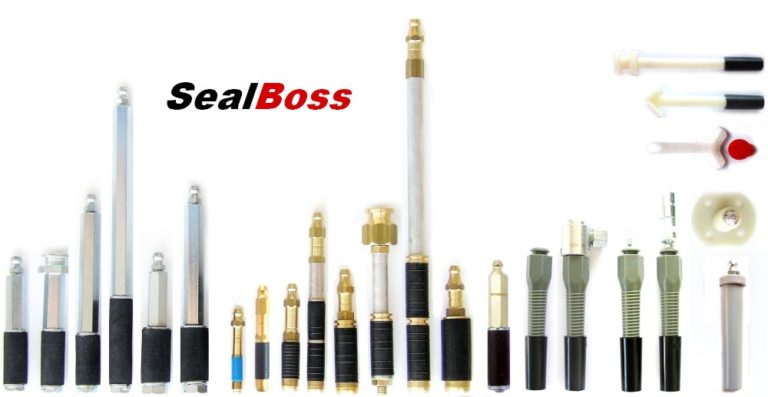
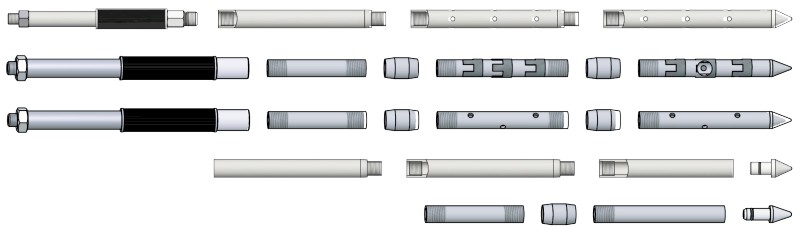
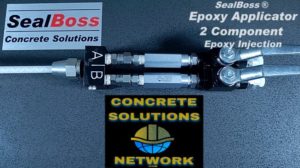
| Professional injection projects | Pump, packer, hose, coupler, and accessory system | SealBoss injection pumps, packers, ports, hoses, applicators |
Product selection matters. Viscosity, reaction speed, expansion, flexibility, moisture response, and delivery method all affect the outcome.
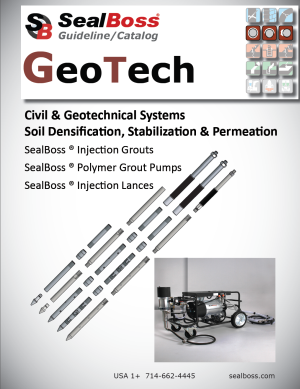
SealBoss supports contractors with a full system approach: leak-seal materials, injection pumps, mechanical packers, ports, hoses, couplers, oakum, pipe kits, accessories, field guidance, and training resources.
Product, Pump, Packer, Technique
A successful injection repair is not only about the resin. It is about the complete system.
Product
The grout or resin must match the leak type, crack size, water flow, movement, moisture condition, and exposure requirement.
Pump
The pump must deliver material at the right pressure and volume for the structure and leak condition.
Packer / Port
The packer or port must provide a reliable injection point into the crack, joint, or void.
Technique
Drilling angle, spacing, injection sequence, pressure control, and material consumption all influence the final seal.
This is where professional know-how makes the difference. SealBoss products are designed to work as part of a repair system, not as isolated materials.
The Cost Problem With “Almost Fixed”
A leak that returns is not fixed. It is deferred.
The most expensive repair is often the one that looked cheapest at first but had to be repeated. Patch-and-repeat work creates callbacks, continued water damage, tenant complaints, downtime, cleanup costs, and owner frustration.
Contractors who use injection grouting can change the conversation from “patch this spot” to “seal the leak path.”
That is a stronger value proposition for the owner and a better technical solution for the structure.
Common Leak-Seal Applications
SealBoss leak-seal injection grouting systems are commonly used for active water intrusion in:
- Below-grade foundation walls
- Floor-to-wall joints
- Cold joints and construction joints
- Shrinkage cracks and structural cracks
- Elevator pits
- Parking garages
- Utility vaults and manholes
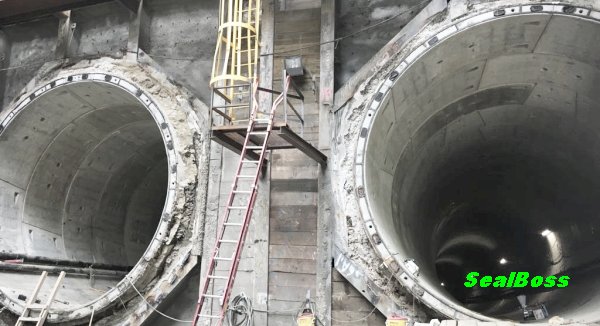
- Tunnels and dams
- Water tanks and wastewater structures
- Pipe penetrations
- Honeycombed concrete
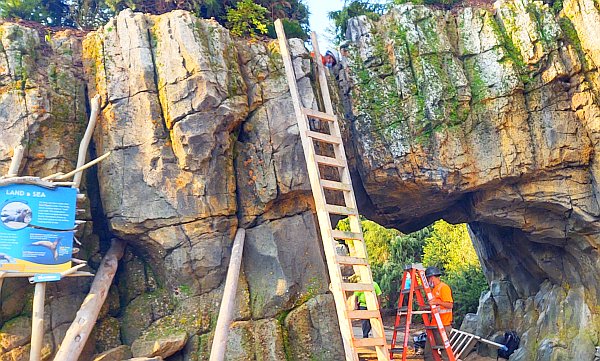
- Seawalls and marine structures
- Curtain-grouting and permeation-grouting conditions
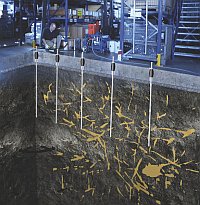
- Soil and void conditions related to water movement
Each project should be evaluated based on water pressure, access, crack width, movement, substrate condition, and service environment.
Stop the Water Before the Cost Multiplies
Water infiltration rarely gets cheaper with time. Once water is moving through a structure, it can turn a small repair into a much larger building expense.
SealBoss leak-seal injection grouting systems help contractors and facility professionals stop active leaks at the source with professional-grade water stop foams, flexible resins, gels, pumps, packers, accessories, and technical support.
Need Help Selecting the Right Leak-Seal System?
Talk to a SealBoss specialist. Product selection, pump and packer setup, and jobsite guidance.