






Specified & Verified: Concrete Leak Injection Planning Guide
Planning, Selecting, and Documenting Concrete Leak Injection
A four-part guide to the decisions that come before, during, and after injection—for the people who specify the work, perform it, or evaluate the record.
SealBoss Corp. • Technical blog series •
Scope boundary
This guide explains the decision sequence. Product properties, resistance data, equipment specifications, safety information, and application procedures remain controlled by the linked current SealBoss technical documents.
Why the series is organized around decisions
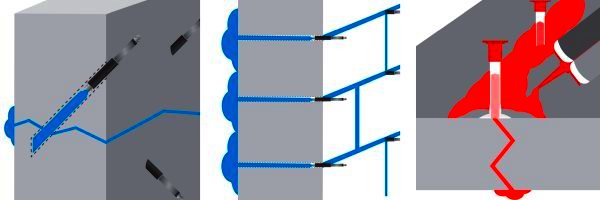
Concrete leak injection is performed largely inside pathways that cannot be seen directly. That fact shapes the work: the visible discharge point may not identify the entry point; a material cannot be selected independently of the equipment that will deliver it; and the field record becomes the principal evidence of what was installed and observed.
This series follows the professional decision sequence from assessment through follow-up. It is written for contractors, applicators, engineers, specifiers, owners, facility managers, project managers, and purchasers who need to understand how the decisions connect.
It does not replace a product data sheet, SDS, application guideline, equipment manual, project specification, or qualified professional judgment. Those documents govern. The series explains when and why each technical layer becomes relevant.
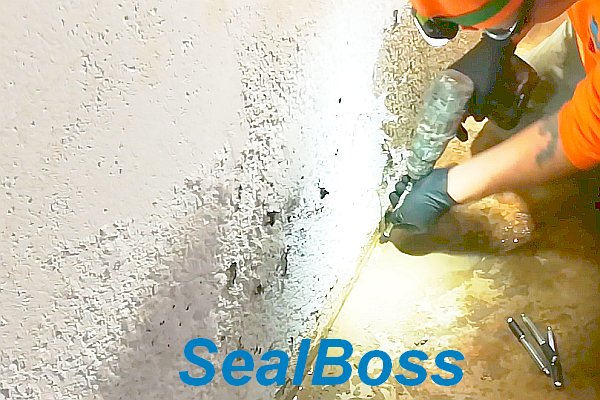
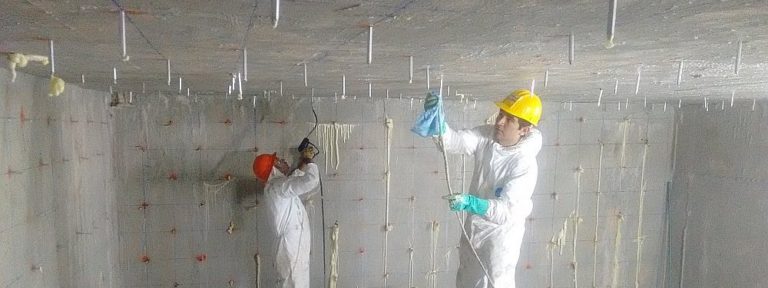
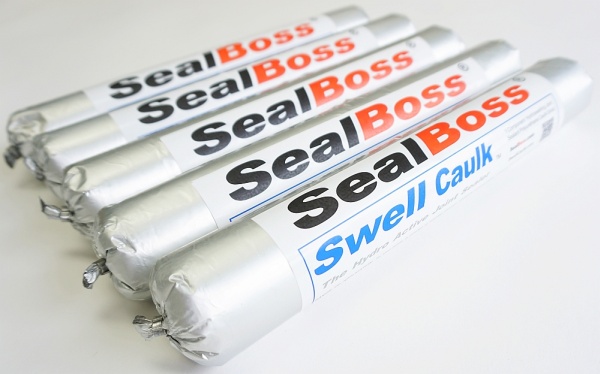
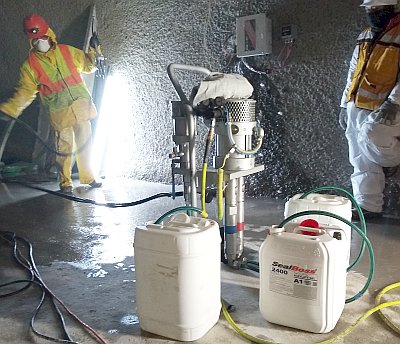
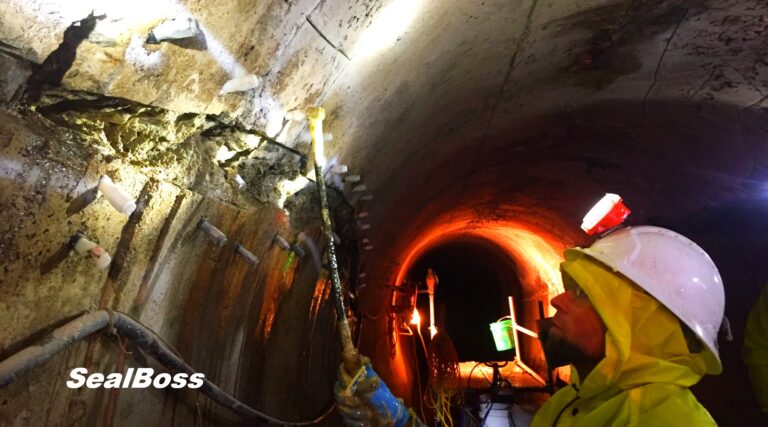
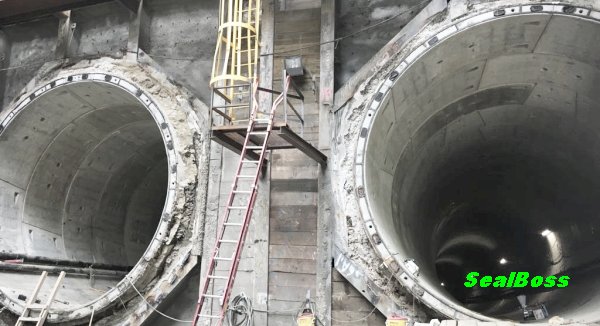
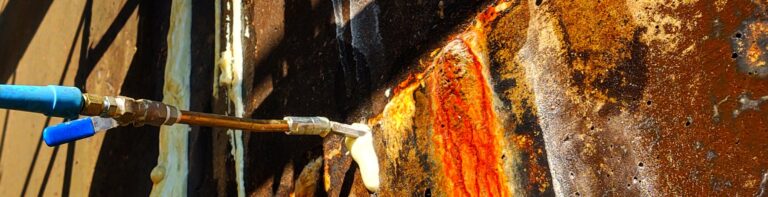
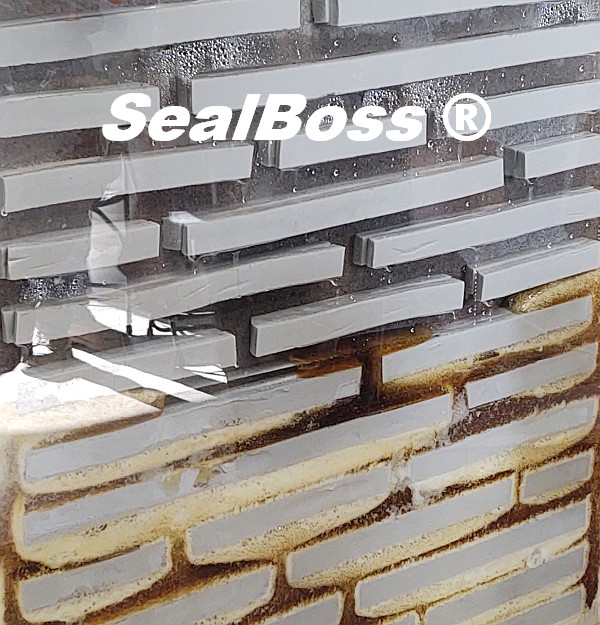
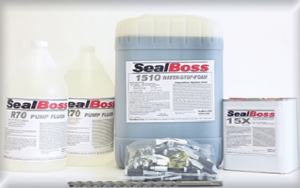
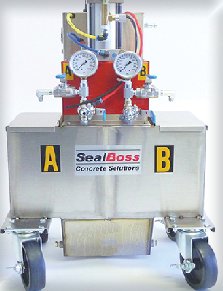
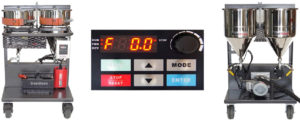
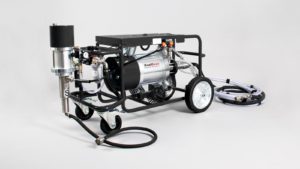
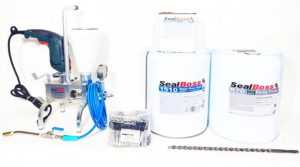
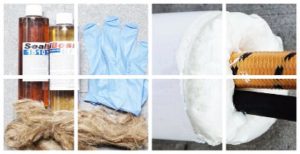
SealBoss curtain-injection field context
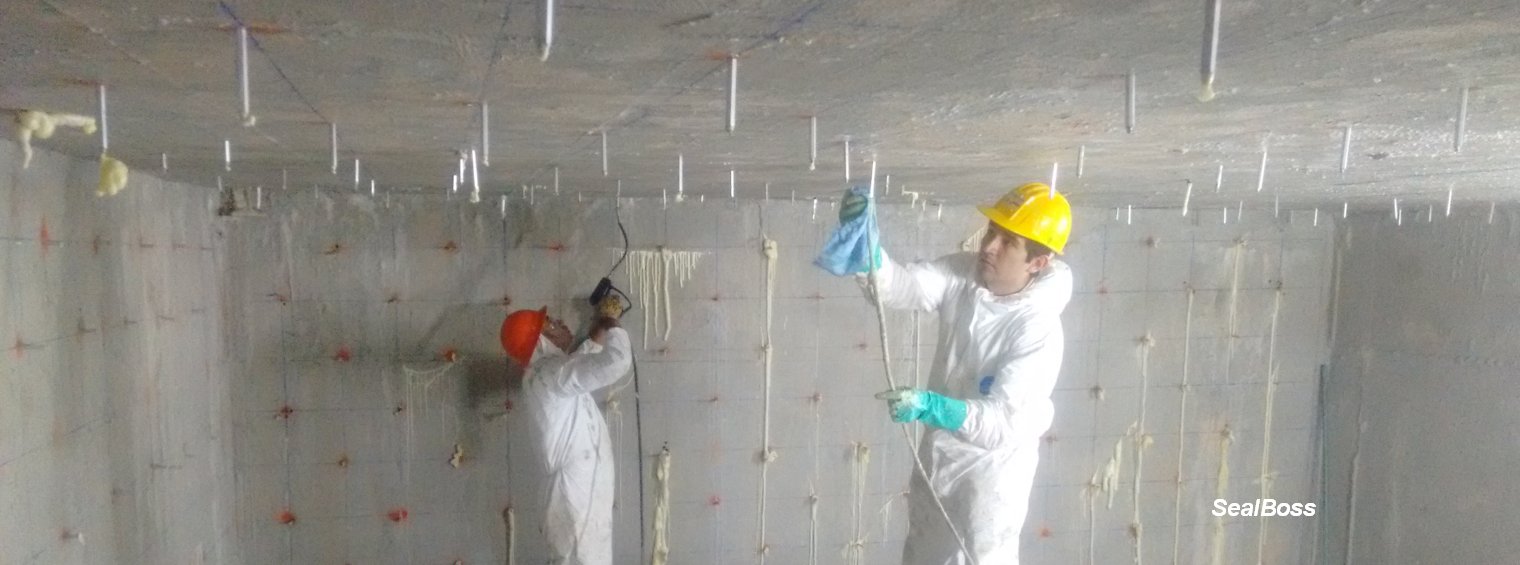
This photographic introduction supports the series overview. Continue into the four articles for assessment, method selection, system configuration, and documentation.
Choose the part that matches the decision in front of you
Assessing Water Infiltration
Document the visible condition, water activity, surrounding construction, previous repairs, movement indicators, access, and the limits of what is known.
Choosing an Injection Approach
Compare cracks, construction joints, moving joints, penetrations, localized voids, and broad-area seepage before selecting an application category.
The Complete Injection System
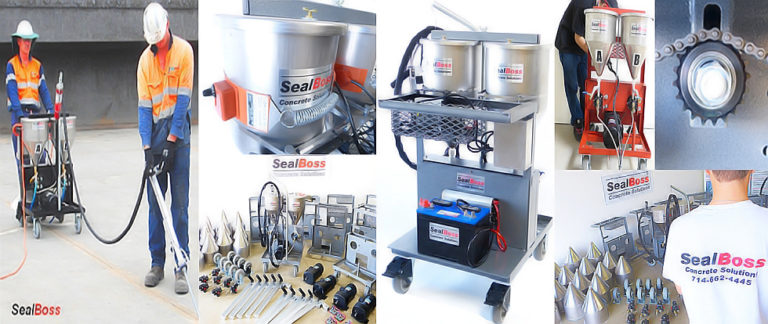
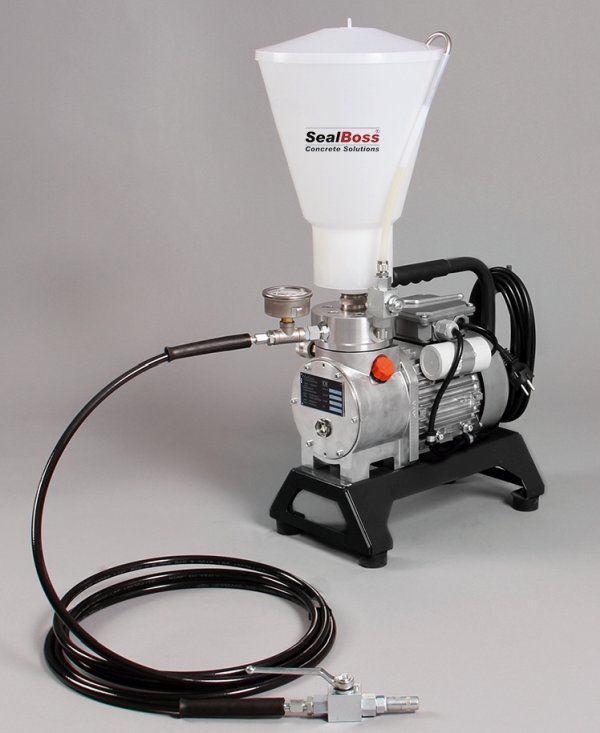
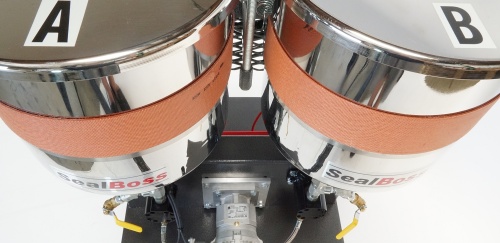
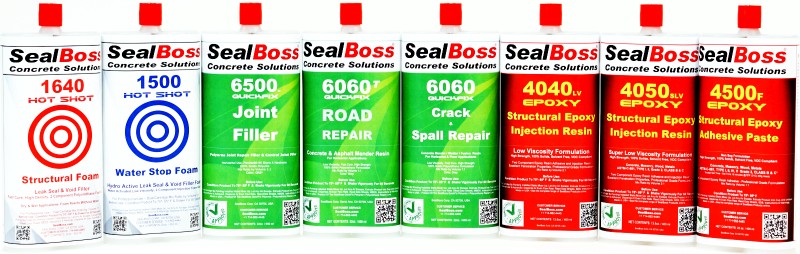
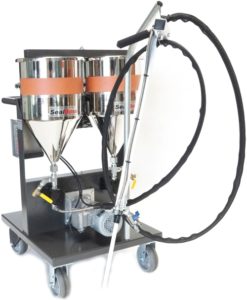
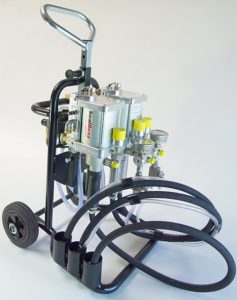
Coordinate the exact material, pump, packer or port, hose, coupler, preparation, cleaning, safety, training, and current technical documents.
Quality Control and Documentation
Create the pre-work baseline, point map, daily log, deviation record, verification plan, closeout package, and follow-up record.
How to use the series with current SealBoss documents
Use the series to identify the next decision and then move to the controlling technical source. The SealBoss Resource Page is the directory for product data sheets, SDS documents, application guidelines, pump information, packer resources, certifications, training, and case studies.
Existing broad SealBoss articles—such as Leak Sealing Methods, Types of Concrete Cracks, and Epoxy Versus Polyurethane Crack Injection—remain the deeper subject pages. The series connects those resources without replacing them.
Related articles, products, equipment, and technical resources
Use the links below to move from the educational framework to the relevant SealBoss application, product, equipment, case-study, or technical page.
SealBoss Resource Page
Product data, SDS documents, guidelines, pumps, packers, and case studies.
Use the series as a decision path—not as a substitute for current technical documents.
Current SealBoss technical documents remain controlling. Contact a qualified SealBoss technical representative when material, equipment, or application selection requires additional review.
Technical source direction: SealBoss sources control SealBoss product and equipment facts. ASTM, ICRI, ACI, OSHA, and other primary authorities provide independent industry or regulatory context within their stated scopes. Project-specific suitability, engineering decisions, warranties, and field procedures require the current controlling documents and authorized responsible parties.