Search

news | blog

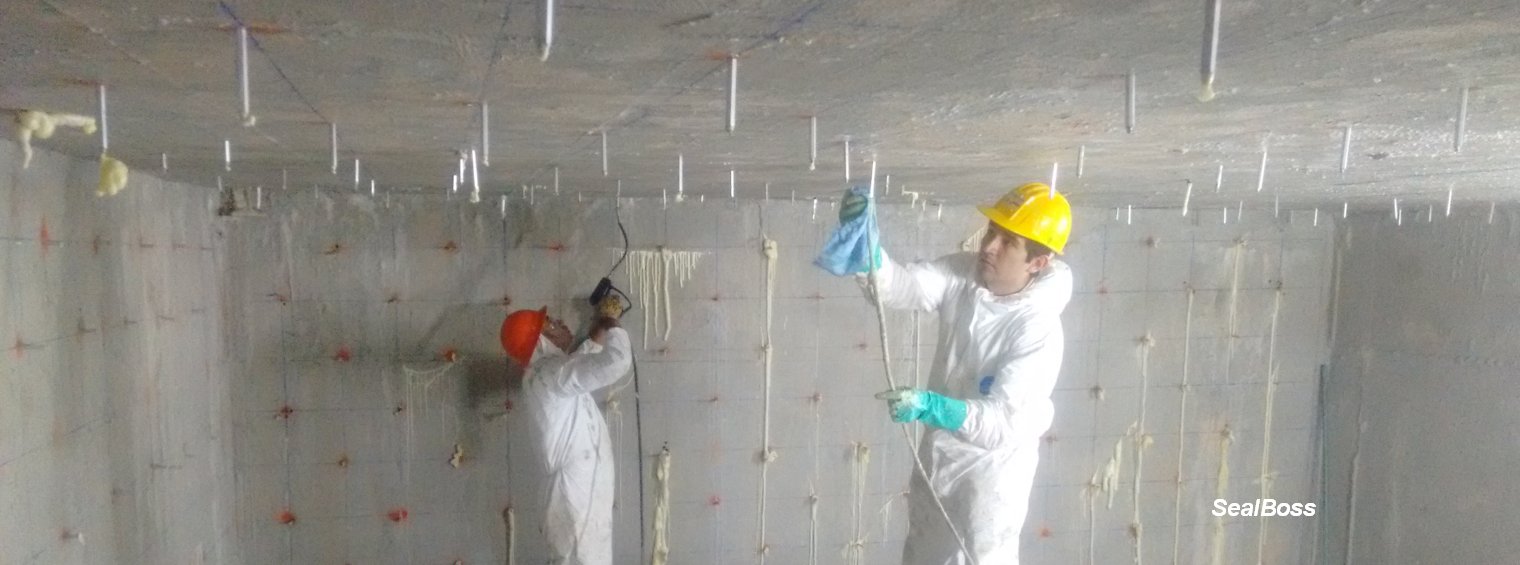
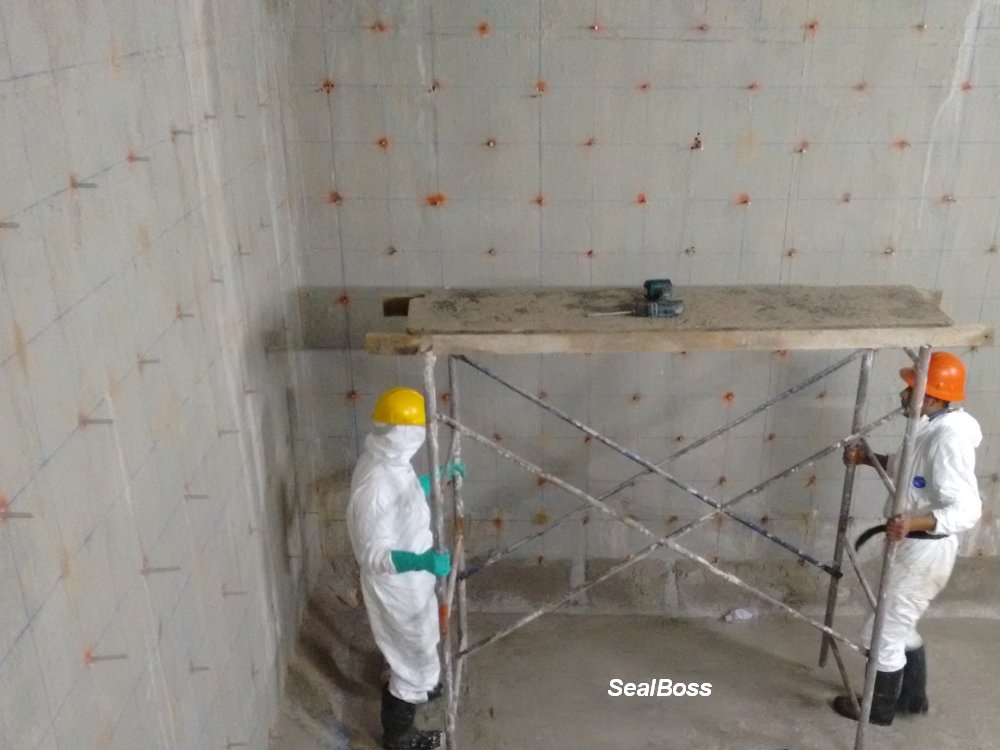
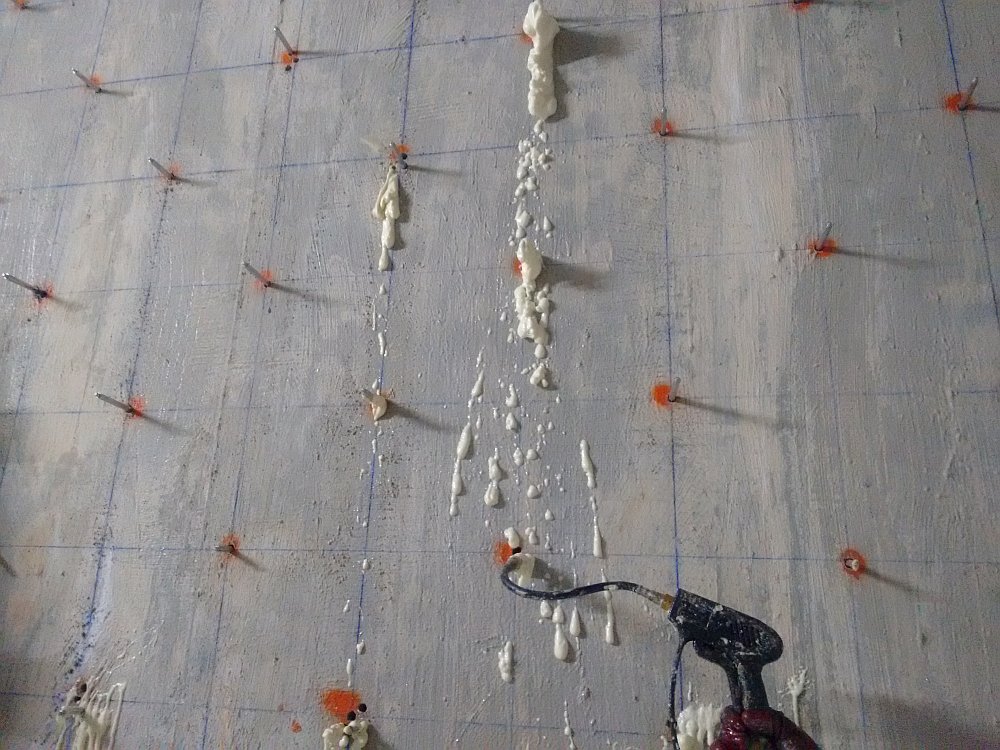
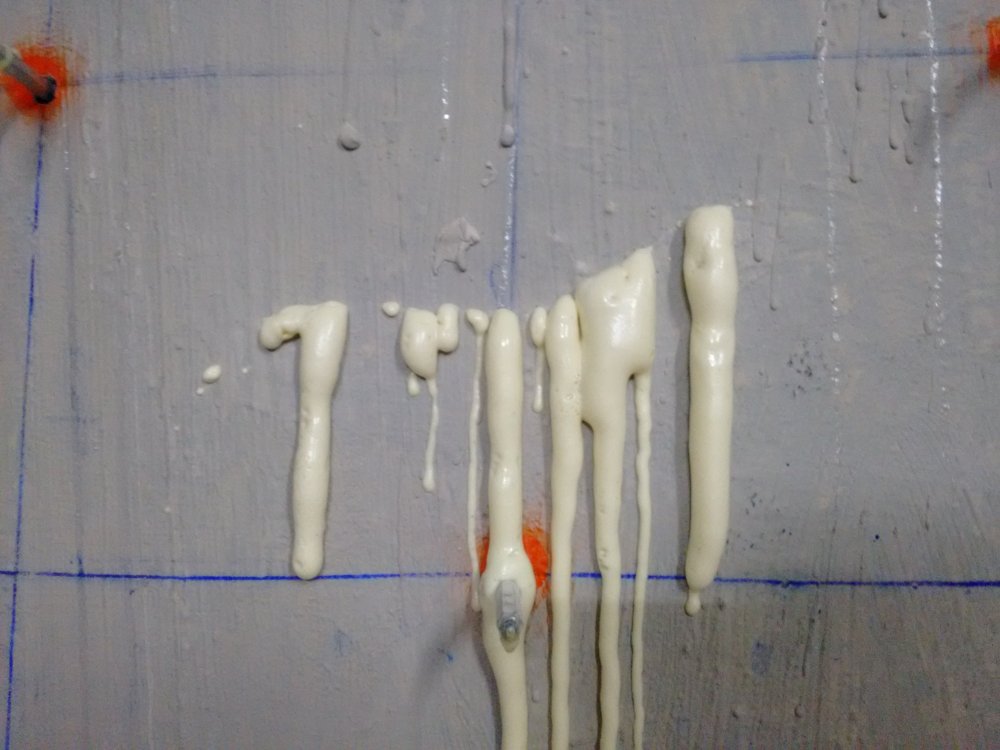
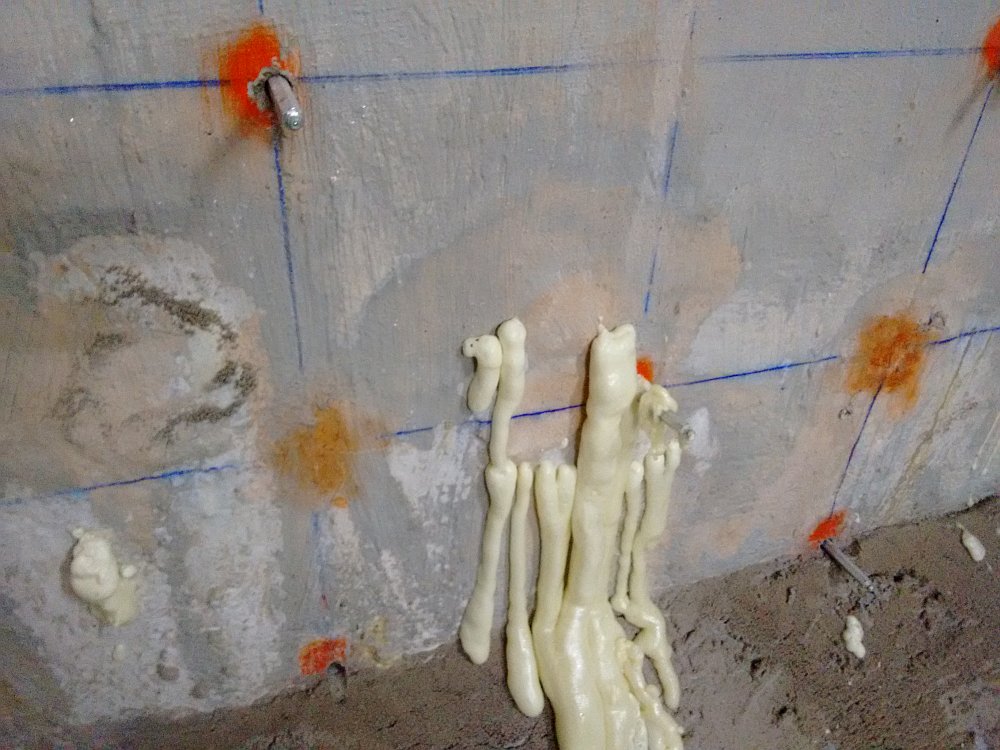
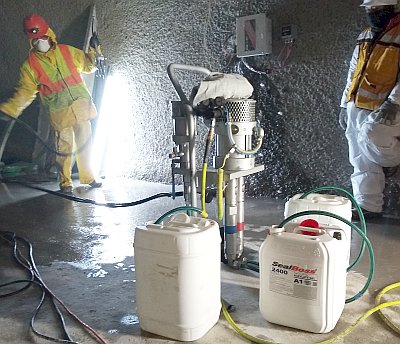
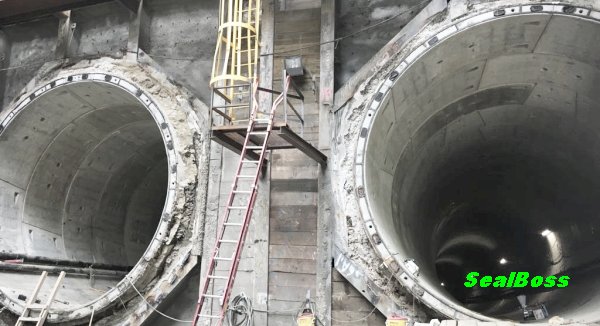
Curtain Injection In Pictures
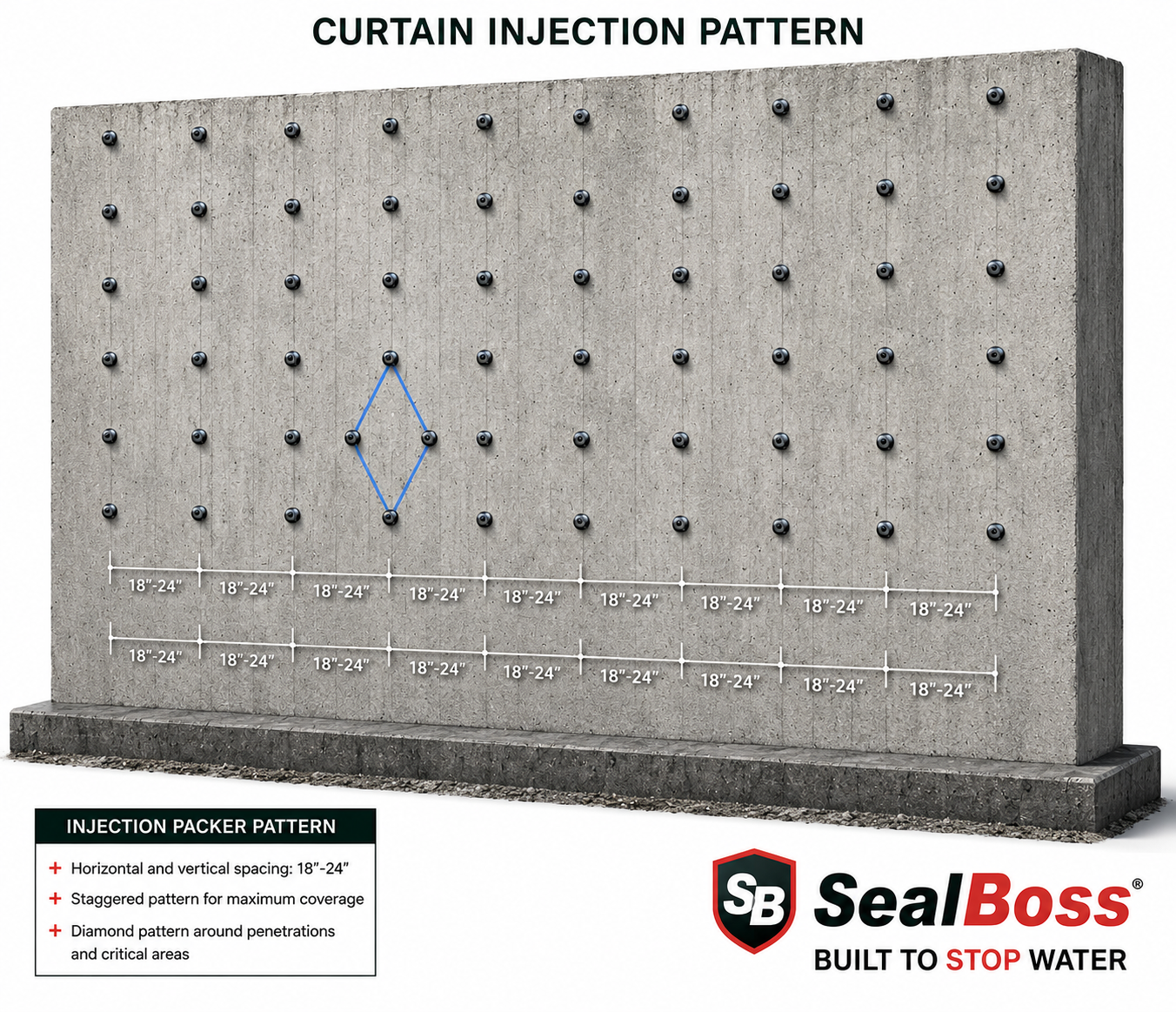
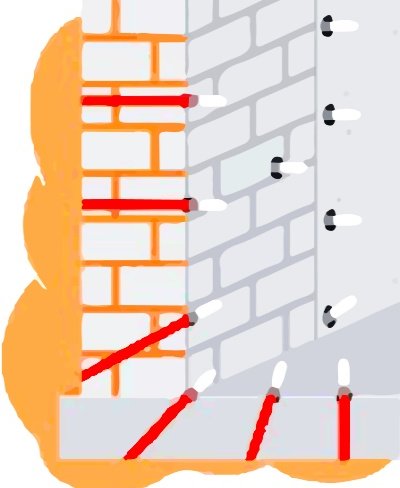
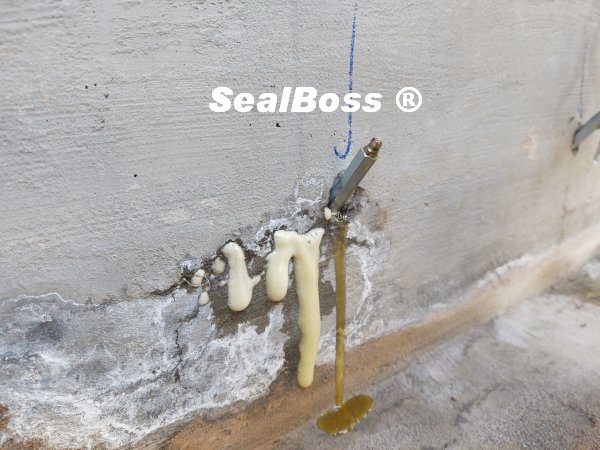
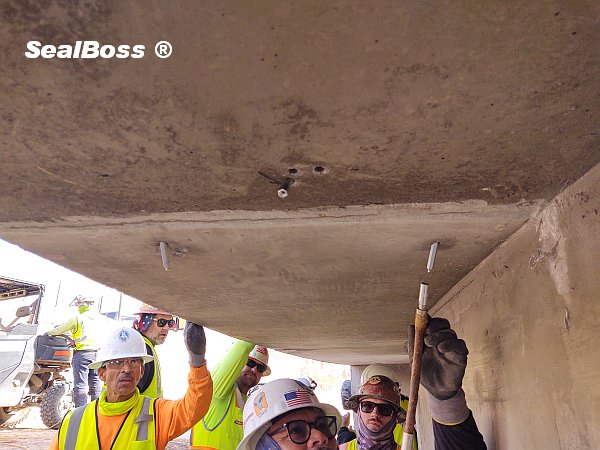
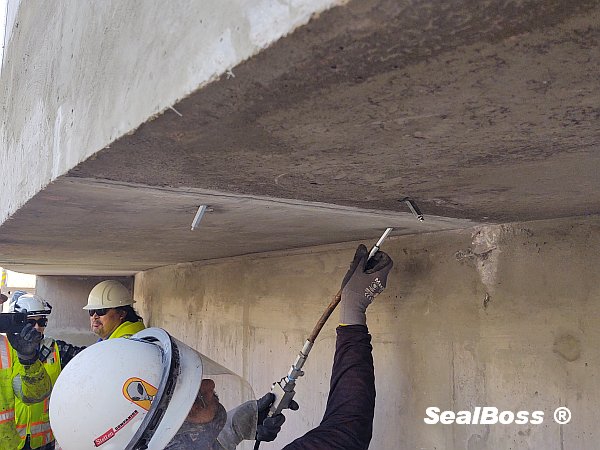
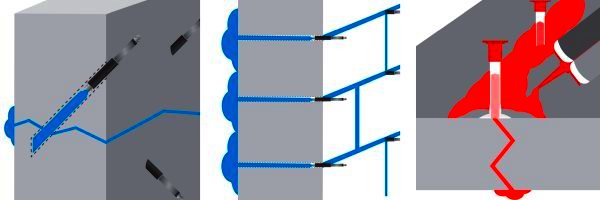
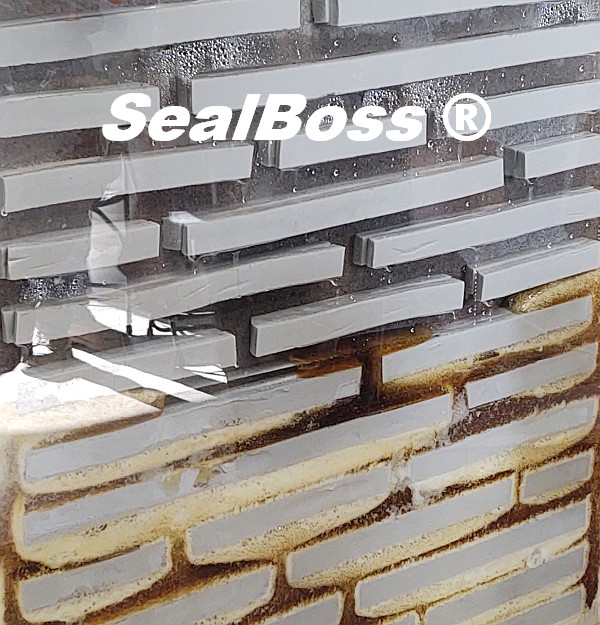
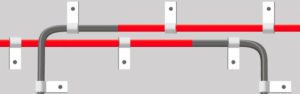
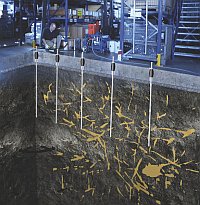
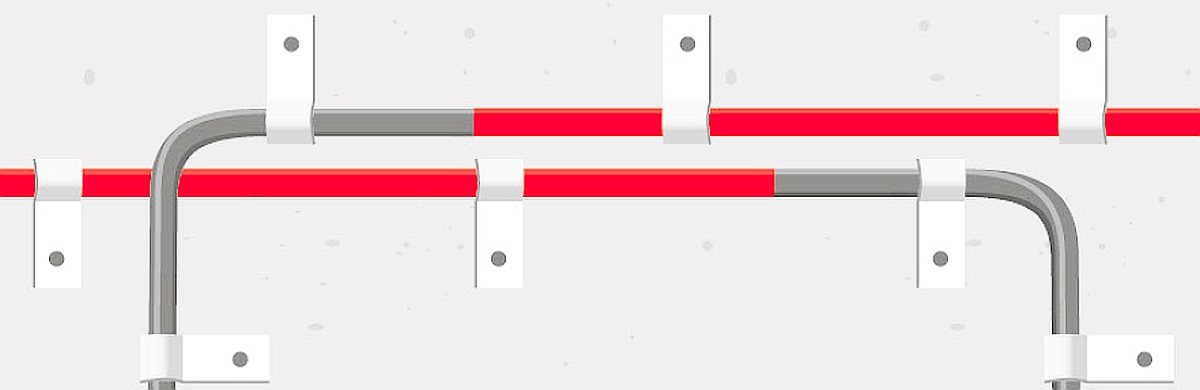
SealBoss Curtain Injection Pattern

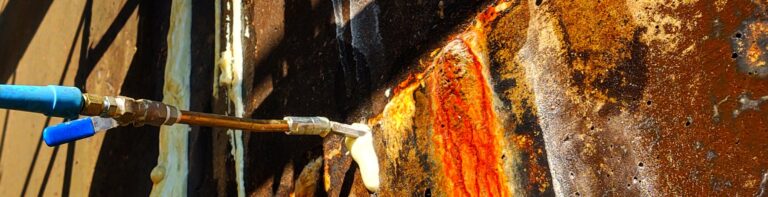
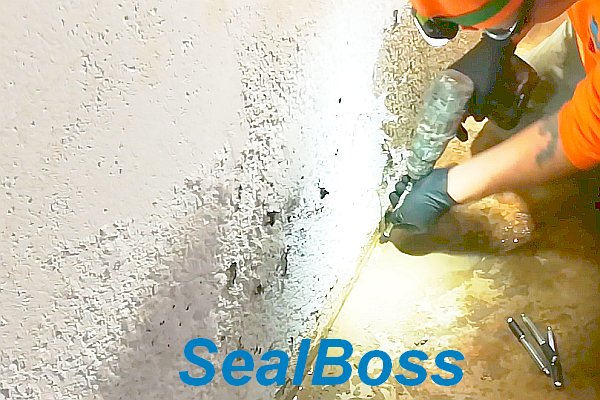
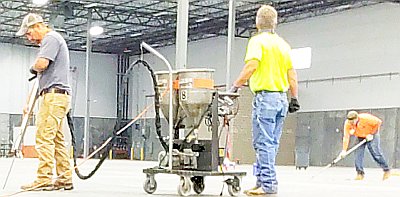
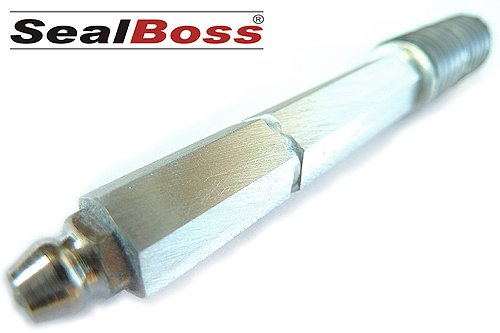
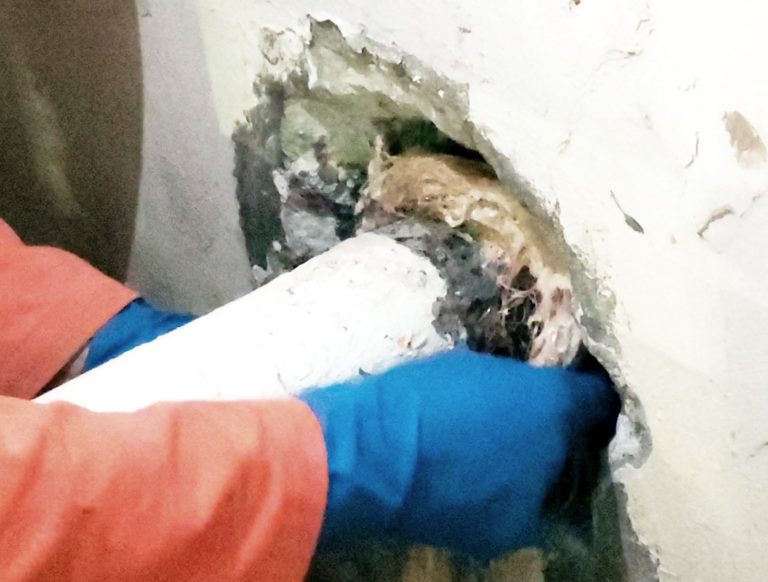
Curtain / Bladder Injection - Curtain Wall Grouting Method

Water intrusion is a persistent challenge for below-grade concrete structures, where traditional patching and surface sealers often fall short. The failures of these surface-applied remedies—such as patches, liquid sealers, and membrane applications—stem from their inability to address the root causes of leaks. These methods provide only temporary relief, leaving structures vulnerable to recurring hydrostatic pressure and ongoing water damage.

Curtain wall grouting, including advanced techniques like curtain and bladder injections, offers a reliable, long-term solution to these challenges. Unlike surface treatments, these methods work by creating a robust waterproof membrane and water barrier behind the structure. This approach not only seals cracks and cold joints from within but also fortifies the structure against future water intrusion.

By injecting specialized grouts through the structure to form a protective layer on the positive side, curtain injection ensures a comprehensive and lasting seal. Whether applied through stage grouting or other targeted injection methods, this professional approach delivers durable protection, minimizing service interruptions and maximizing cost-effectiveness in the long run.

Curtain Injection in Pictures SealBoss

Curtain / Bladder Injection is the Reliable Way to Waterproof Your Below Grade Concrete Structure

Why Patches and Liquid Sealers Often Don’t Stand the Test of Time

Experiencing the frustration of failing patches and paint applications on damp, actively leaking, below-grade structures is something many of us can relate to.

These are typically failed attempts to block hydrostatic water intrusion using surface-applied remedies that serve as temporary solutions at best.

Interior patches and membrane applications, while seemingly addressing the problem, often don’t tackle the root cause and rarely provide a lasting waterproofing resolution.

A Professional Approach to Curtain Injection:

Sealing Cracks Permanently and Establishing a Waterproof Membrane and Water Barrier behind the Structure

Water leakage via cold joints, cracks, and other irregularities in concrete can frequently only be effectively and permanently sealed using advanced injection techniques, such as curtain, bladder, and stage grouting injection methods.

The SealBoss Injection Product offers a professional solution to these issues, filling and sealing the cracks from the inside out. This product is injected through the structure, forming a membrane on the structure’s positive side, thus providing a more effective and lasting waterproofing solution.

The Art of Stage Grouting Technique

In complex grouting scenarios, the stage grouting technique is often the favored approach. This process entails a strategic series of injections carried out in a staged manner, utilizing lower volumes of product in each application.

Each stage of this meticulous process is allowed sufficient time to react, allowing the grout to solidify and establish a natural barrier before proceeding with the subsequent stage of grouting. This carefully phased and controlled deployment not only elevates the overall efficacy of the grouting operation but also ensures thorough and consistent coverage along the exterior of the wall.

Comparative Cost Analysis of Injection Grouting Sealing Methods

Understanding the financial impact of various sealing techniques is essential for making cost-effective decisions. Below is a comparison.

Crack Injection

Direct Costs: Moderate for materials and labor, product is injected directly into the cracks, joints, and voids. Low for equipment.
Indirect Costs: Minimal, as the method is fastest and causes little service interruption.

Curtain Grouting

Direct Costs: Higher for materials and labor, product is injected through the structure into the substrate behind, which results in higher material consumption. Packers are set in distinctive patterns. Moderate for equipment.
Indirect Costs: Higher, due to the lengthier process of preparation and product pumping, which can lead to more significant service disruptions.

Links

Curtain Injection Grid Pattern
SEALBOSS-CURTAIN-INJECTION
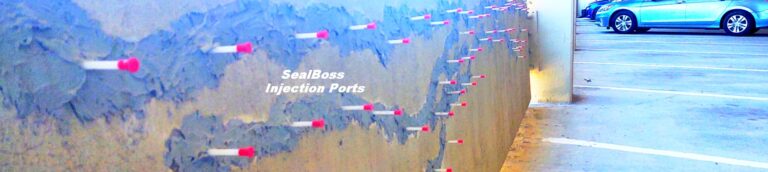
Packer Installation in a Grid Pattern
BASEMENT-WATERPROOFING-PRODUCTS-SEALBOSS
Excellent Hairline Crack Penetration
SEALBOSS-1510-PERMEATION
Bladder Injection Process

Water Infiltration Costs & Injection Grouting | SealBoss

Product packaging & labeling shown are illustrative and may vary.

Water Infiltration Costs & Injection Grouting | SealBoss

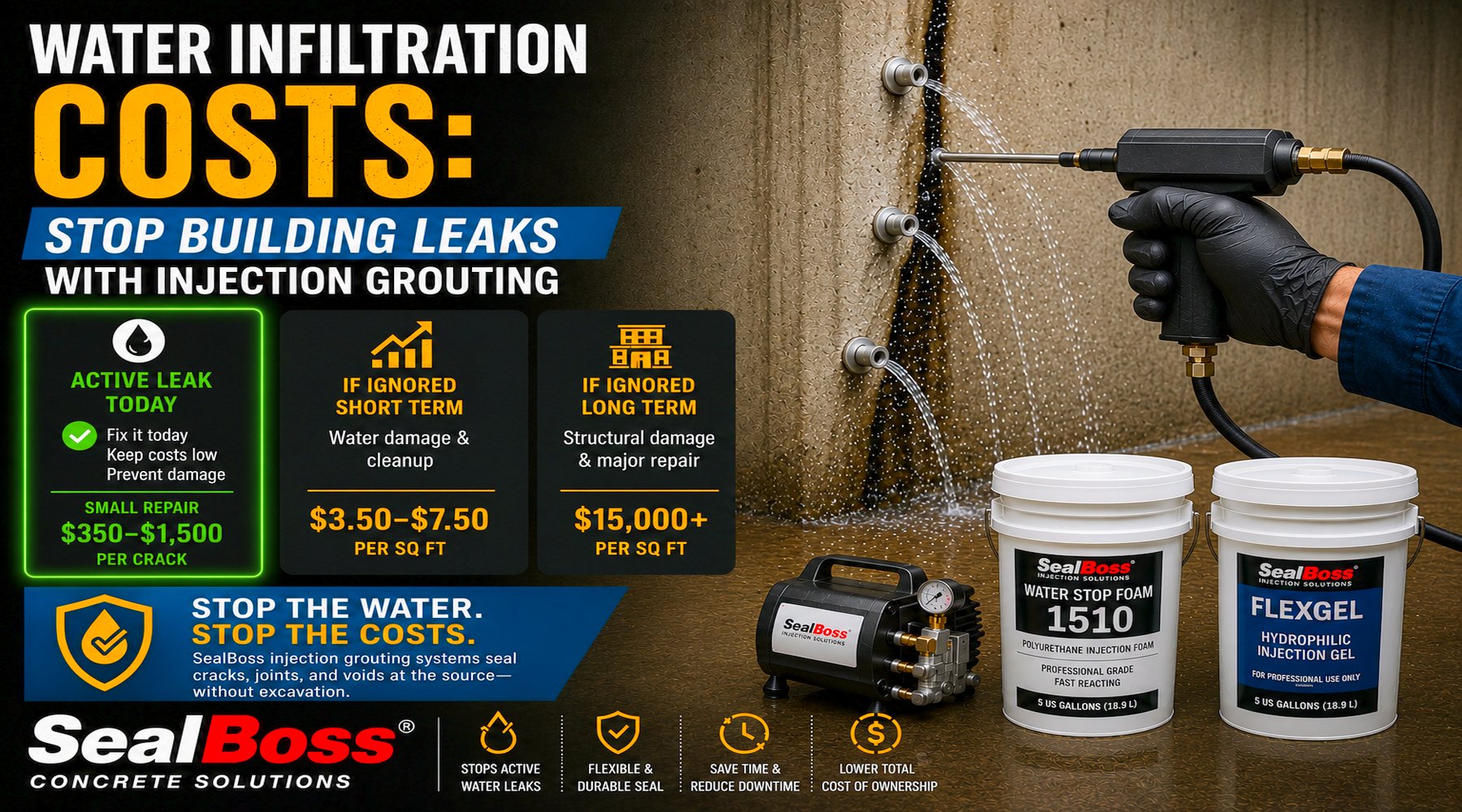
Water infiltration costs rise quickly when active leaks are not sealed at the source

Small leaks rarely stay small. Once water finds a path through concrete, every storm, pressure cycle, and wet-dry event can add cost — cleanup, downtime, damage, liability, and eventually structural repair.

Water infiltration is not just a stain on a wall or a puddle on a floor. It is evidence of an open pathway through the structure.

For facility managers, property owners, engineers, and repair contractors, the priority is simple: identify the water path and stop it before the damage spreads. Surface patches may hide the symptom, but professional leak-seal injection grouting is designed to seal the route water is actually using.

SealBoss leak-seal systems are built for that purpose: water stop foams, flexible polyurethane resins, hydrophilic gels, acrylate gels, pumps, packers, ports, oakum systems, pipe kits, and technical support — all focused on stopping active water intrusion at the source.

What Water Infiltration Can Cost

Water Infiltration Costs: What Building Owners May Pay

The cost of water infiltration is not measured only by the crack. It is measured by how far the water has traveled and what it has reached.

Condition / ScopeTypical Cost RangeWhat It Usually Includes
Single active crack or joint$300–$1,800 per crackInterior polyurethane injection of one leaking wall crack, cold joint, or construction joint without excavation
Multiple cracks or larger leak area$2,000–$7,000 per projectSeveral injected cracks, a leaking wall section, floor-to-wall joint, slab area, pit, vault, or below-grade structure
Water-damage cleanup after spreading$4.00–$8.00 per sq ftDrying, demolition, cleanup, flooring replacement, finish repair, contents handling, and restoration work
Severe long-term infiltration$20,000+Corrosion-related damage, concrete spalling, reinforcing steel exposure, structural repair, or partial removal and replacement
Major structural removal and replacement$100–$300 per sq ftExtensive demolition, concrete replacement, reinforcement repair, and reconstruction where deterioration has advanced

Cost note: These are general industry-average ranges compiled from published concrete-repair, crack-injection, and commercial water-damage restoration cost guides. Actual costs vary by site conditions, access, water pressure, region, severity, and project requirements.

The lesson is straightforward: the cheapest leak is usually the one repaired before water reaches finishes, flooring, equipment, tenants, inventory, or reinforcing steel.

The Real Problem Is the Water Path

Concrete is strong, but it is not automatically watertight.

Water can enter through shrinkage cracks, cold joints, construction joints, pipe penetrations, honeycombed concrete, slab joints, wall cracks, tie holes, and voids. Below-grade structures are especially vulnerable because hydrostatic pressure can push water through even small openings.

Once water has a connected pathway, it will continue to use it.

That is why the visible leak can be misleading. The water may appear at one location, but the entry point or travel path may be inside the wall, beneath the slab, around a penetration, or along a joint.

A lasting repair must address the path, not just the wet surface.

Why Surface Patches Often Fail

Many leak repairs fail because they are applied to the side where the water appears, not the side where the pressure originates.

In below-grade structures, water pressure usually comes from the positive side — the soil side, exterior side, or water-bearing side of the structure. The repair crew often works from the negative side — the interior face of the wall, slab, pit, tunnel, or vault.

That creates the classic patch-and-repeat problem:

  • The stain is painted.
  • The joint is patched.
  • The surface is coated.
  • The area looks dry for a while.
  • Water pressure returns.
  • The leak reappears through the same path or nearby.

A surface repair may improve appearance, but it does not necessarily fill the crack, joint, void, or penetration through the structure. If the water path remains open, the cost cycle continues.

SealBoss Injection Grouting: Stop the Leak Where It Lives

SealBoss leak-seal injection grouting places the repair material directly into the pathway used by the water.

Depending on the condition, trained contractors can inject water-reactive polyurethane foam, flexible resin, hydrophilic gel, acrylate gel, or related leak-seal materials into cracks, joints, voids, and penetrations.

The purpose is not to cover the leak.

The purpose is to fill and seal the route water has created.

That is the difference between cosmetic waterproofing and active leak sealing.

Matching the SealBoss System to the Jobsite Condition

Different leaks require different materials. A high-volume gusher is not the same as a hairline weep. A moving joint is not the same as a static crack. A pipe penetration is not the same as a curtain-grouting condition.

Field ConditionSealBoss System DirectionProduct-Line Connection
Active water through cracks or jointsHydroactive polyurethane water stop foam injectionSB 1510 Water Stop Foam, SB 1500 Leak Seal Foam
High-flow or gushing leaksFast-reacting foam with accelerator controlSB 1510 with SB 15X Accelerator
Moving cracks or dynamic jointsFlexible water stop foam or flexible resinSB 1570, SB 1570 LV, SB 1403, SB FlexGel
Hairline cracks and tight fissuresLow-viscosity or super-low-viscosity resinSB 1570 LV, SB 1403 SLV, SB 2400 Acrylate Gel
Curtain grouting or wet soil-side conditionsHydrophilic gel or acrylate gel systemsSB FlexGel, SB 2400 Acrylate Gel
Pipe penetrations and annular spacesResin with sealing accessory systemSB Seal Oakum, SB Seal Pipe Kit, Water Stop Foam
Small-job or rapid-response repairCartridge or kit-based systemSB Hot Shot cartridges, SB CanSeal Foam Kit
Professional injection projectsPump, packer, hose, coupler, and accessory systemSealBoss injection pumps, packers, ports, hoses, applicators

Product selection matters. Viscosity, reaction speed, expansion, flexibility, moisture response, and delivery method all affect the outcome.

SealBoss supports contractors with a full system approach: leak-seal materials, injection pumps, mechanical packers, ports, hoses, couplers, oakum, pipe kits, accessories, field guidance, and training resources.

Product, Pump, Packer, Technique

A successful injection repair is not only about the resin. It is about the complete system.

Product

The grout or resin must match the leak type, crack size, water flow, movement, moisture condition, and exposure requirement.

Pump

The pump must deliver material at the right pressure and volume for the structure and leak condition.

Packer / Port

The packer or port must provide a reliable injection point into the crack, joint, or void.

Technique

Drilling angle, spacing, injection sequence, pressure control, and material consumption all influence the final seal.

This is where professional know-how makes the difference. SealBoss products are designed to work as part of a repair system, not as isolated materials.

The Cost Problem With “Almost Fixed”

A leak that returns is not fixed. It is deferred.

The most expensive repair is often the one that looked cheapest at first but had to be repeated. Patch-and-repeat work creates callbacks, continued water damage, tenant complaints, downtime, cleanup costs, and owner frustration.

Contractors who use injection grouting can change the conversation from “patch this spot” to “seal the leak path.”

That is a stronger value proposition for the owner and a better technical solution for the structure.

Common Leak-Seal Applications

SealBoss leak-seal injection grouting systems are commonly used for active water intrusion in:

  • Below-grade foundation walls
  • Floor-to-wall joints
  • Cold joints and construction joints
  • Shrinkage cracks and structural cracks
  • Elevator pits
  • Parking garages
  • Utility vaults and manholes
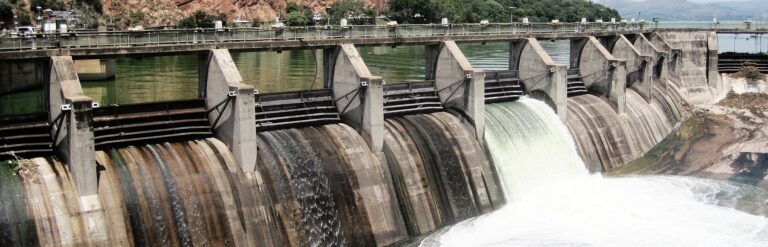
  • Tunnels and dams
  • Water tanks and wastewater structures
  • Pipe penetrations
  • Honeycombed concrete
  • Seawalls and marine structures
  • Curtain-grouting and permeation-grouting conditions
  • Soil and void conditions related to water movement

Each project should be evaluated based on water pressure, access, crack width, movement, substrate condition, and service environment.

Stop the Water Before the Cost Multiplies

Water infiltration rarely gets cheaper with time. Once water is moving through a structure, it can turn a small repair into a much larger building expense.

SealBoss leak-seal injection grouting systems help contractors and facility professionals stop active leaks at the source with professional-grade water stop foams, flexible resins, gels, pumps, packers, accessories, and technical support.

Need Help Selecting the Right Leak-Seal System?

Talk to a SealBoss specialist. Product selection, pump and packer setup, and jobsite guidance.

Tunnel Water Stop Injection Leak Repair

Tunnel
Water Stop
Injection
Leak Repair

Tunnel Water Stop Injection Leak Repair

Leak Sealing
Systems

Tunnel Water Stop Injection Leak Repair with Polymer Grout Injection

Introduction:

Tackling Water Leakage in Tunnels: Challenges and Solutions

Water intrusion is a persistent challenge in tunnel infrastructure, affecting safety, durability, and operational efficiency. This article explores the risks associated with water leaks in various tunnel types—utility, vehicle, subway, rail, and pedestrian tunnels—and presents advanced solutions for effective sealing and structural reinforcement.

A key focus is the use of Polymer Injection Grouts, particularly acrylate gels and polyurethane resins, which offer reliable waterproofing and long-term stability. We delve into the properties and applications of these materials, outlining a step-by-step approach to leak diagnosis, material selection, and injection techniques.

Additionally, the article highlights SealBoss’s specialized products designed for underground water ingress repair, emphasizing the critical role of proper training and equipment for successful application. Whether addressing minor seepage or severe structural leaks, this guide provides essential insights for ensuring tunnel integrity and longevity.

Tunnel Water Stop Injection Leak Repair Overview 

Tunnels, essential to modern infrastructure, vary in design and function but share a common challenge—water intrusion. Below is an overview of the tunnel types most susceptible to leaks and the potential risks they face:

  • Utility Tunnels – These tunnels house essential systems such as electrical wiring, water pipes, and gas lines. Water infiltration can lead to pipe corrosion, electrical failures, and even hazardous gas leaks, compromising both safety and service reliability.

  • Vehicle Tunnels – Water seeping through tunnel walls or accumulating on road surfaces creates hazardous driving conditions. Pooled water can reduce tire traction, increasing the risk of skidding, accidents, and severe traffic disruptions.

  • Subway Tunnels – Built beneath densely populated urban areas, subway tunnels are highly vulnerable to leaks from surrounding soil and aging infrastructure. Persistent water intrusion can disrupt train operations, cause service delays, and lead to costly maintenance and repairs.

  • Rail Tunnels – Water intrusion in rail tunnels poses significant risks, particularly to electrical components and track stability. Excess moisture can weaken the track bed, cause rail misalignment, and in extreme cases, contribute to derailments.

  • Pedestrian Tunnels – Water leaks in pedestrian tunnels create slippery surfaces, increasing the risk of slips and falls. Persistent dampness also encourages mold and bacteria growth, leading to poor air quality and potential health hazards.

Waterproofing and leak repair solutions are essential to maintaining tunnel safety, functionality, and longevity. Addressing water intrusion early can prevent costly damage and serious operational disruptions.

How to stop leaks of high hydrostatic pressures with Injection Grouts

Water ingress can cause immediate damages as well as lead to  increased project costs and may lead to many other issues down the line.

Water ingress poses both immediate and long-term challenges, driving up project costs and leading to structural deterioration if left unaddressed.

Leaks through cracks, joints, and voids can be effectively sealed using advanced injection systems that employ cost-efficient and highly reliable chemical grouts, such as multi-component acrylate gels and single-component polyurethane resins.

When properly engineered, resin injection systems do more than just stop leaks—they also stabilize surrounding soil by transforming loose sands into a firm, sandstone-like consistency and consolidating gravel into a bonded, load-bearing structure. This not only enhances the durability of the tunnel but also improves its overall resilience against future water intrusion.

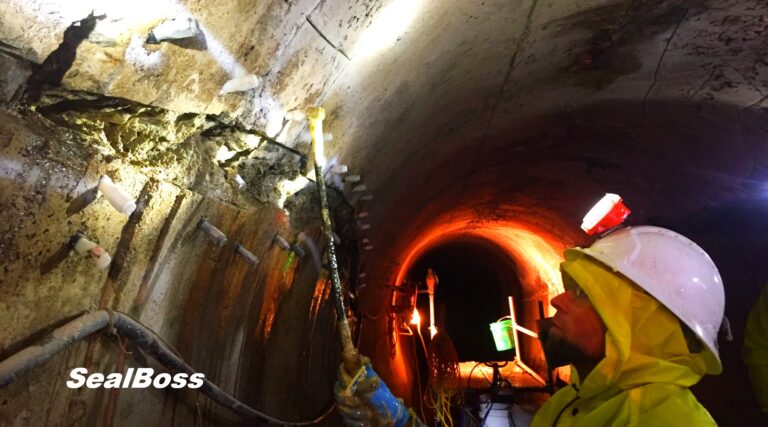
Example: SealBoss Acrylates Used to Seal Leaks in Tunnel

What are Acrylate Gels?

Acrylate gels, also known as acrylic gels, are highly flexible, ultra-low viscosity, hydrophilic sealing agents designed for non-structural injections. With a consistency similar to water, they effectively penetrate cracks, joints, and voids, making them ideal for grid, curtain, and bladder injection applications, as well as use in injection tube sealing systems.

Thanks to their exceptionally low viscosity and surface tension, polyacrylate gels offer superior penetration capabilities, allowing them to reach even the smallest fissures. Their adjustable gel time enables precise application, adapting to varying job site conditions such as temperature and injection distance.

When in contact with water, acrylic gels expand hydrophilically, creating a compression seal that prevents further leakage. This swelling behavior makes them an effective solution for waterproofing applications. Additionally, acrylate injection equipment can be easily cleaned with water, simplifying maintenance.

SealBoss provides a comprehensive range of high-performance products designed to control water ingress in underground mining operations, tunnels, and other commercial structures facing leakage challenges. Our solutions support waterproofing, soil consolidation, crack and joint repair, sealing, bonding, and cavity filling, ensuring durable and long-lasting protection.

Tunnel Water Stop Injection Leak Repair

How to Start Acrylate Injection Leak Sealing Injection Repairs

The principal steps to solve a problem are:

  • Diagnosis of the problem
  • Specification of injection methods
  • The correct choice of resin, pumps, packers and accessories
  • Training of installation personnel, a well trained and experienced team is paramount

Will I need more than One Product?

That depends on the conditions of the jobsite. Polyurethane and Acrylate injection systems offer a variety of solutions to problems found in geotechnical applications,  in tunneling, waterproofing underground works and civil engineering in general. While there is no single resin that will suit all conditions, the correct resin must be used to achieve the best results possible and to meet the requirements of the specification.  

If there are any questions about the various chemical grouts available, please do not hesitate to contact us, we are here to assist in any way we can. Always remember to work safely by wearing eye protection and gloves when handling any type of chemical systems.

Which products are shown in the videos?
Products used for Tunnel Water Stop Injection Leak Repair
SealBoss 2400 A1
SealBoss 2400 A2
SEALBOSS-2400-B-SMALL
SealBoss 2400 B
IP2C-2G 3 component acrylate gel pump
SealBoss IP2C
Stainless Steel Gel Pump

Related Article

Call Your SealBoss Technician

If you have any questions on crack injection water stop procedures or any injection related applications, please contact our team of qualified SealBoss representatives to schedule an on site consultation & full injection systems training. Call us at 714-662-4445.

Contact Your SealBoss ® Technician

Flooded Tunnel Repair

Flooded Tunnel Repair

Underground Injection Grouting

flooded tunnel repair sealboss

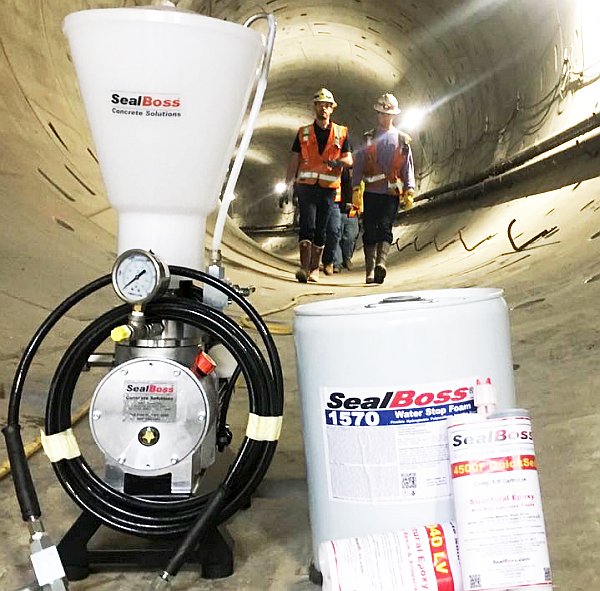
A Spotlight on SealBoss 1510 Water Stop Foam and SealBoss EZ Flow Plastic Button Head Injection Packers

Introduction

Flooded Tunnel Repair: How to Stop Water Migration, Infiltration and Inflow in Underground Passages

Flooded tunnel repair is an essential process for maintaining the structural integrity and functionality of critical infrastructure like utility tunnels, storm drain systems, and primary sewer lines. These systems, when compromised by cracks, leaks, or structural weaknesses, are at risk of water migration and infiltration—a phenomenon known as Infiltration/Inflow (I/I) in the sanitary sewer industry. If left unchecked, water ingress not only deteriorates infrastructure but also poses significant environmental and safety risks.

With advanced tools, proven products, and effective repair methods, underground tunnel structures and expansive pipe systems can be restored to their intended performance. This article explores innovative techniques for flooded tunnel repair, with a focus on SealBoss 1510 Water Stop Foam and SealBoss EZ Flow Plastic Button Head Injection Packers.


The Challenge of Flooded Tunnel Repair

Journey Beneath: Unveiling the Underground

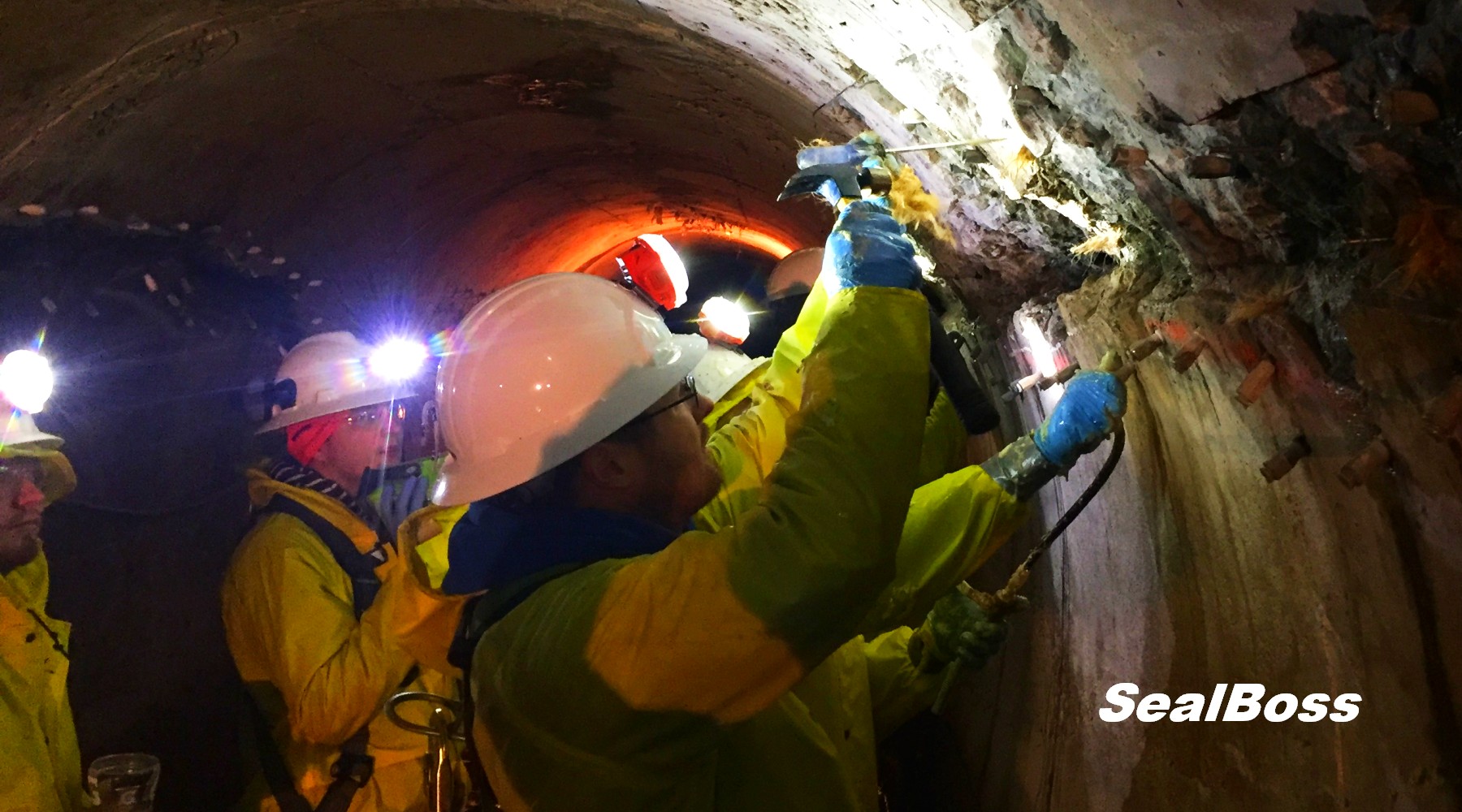
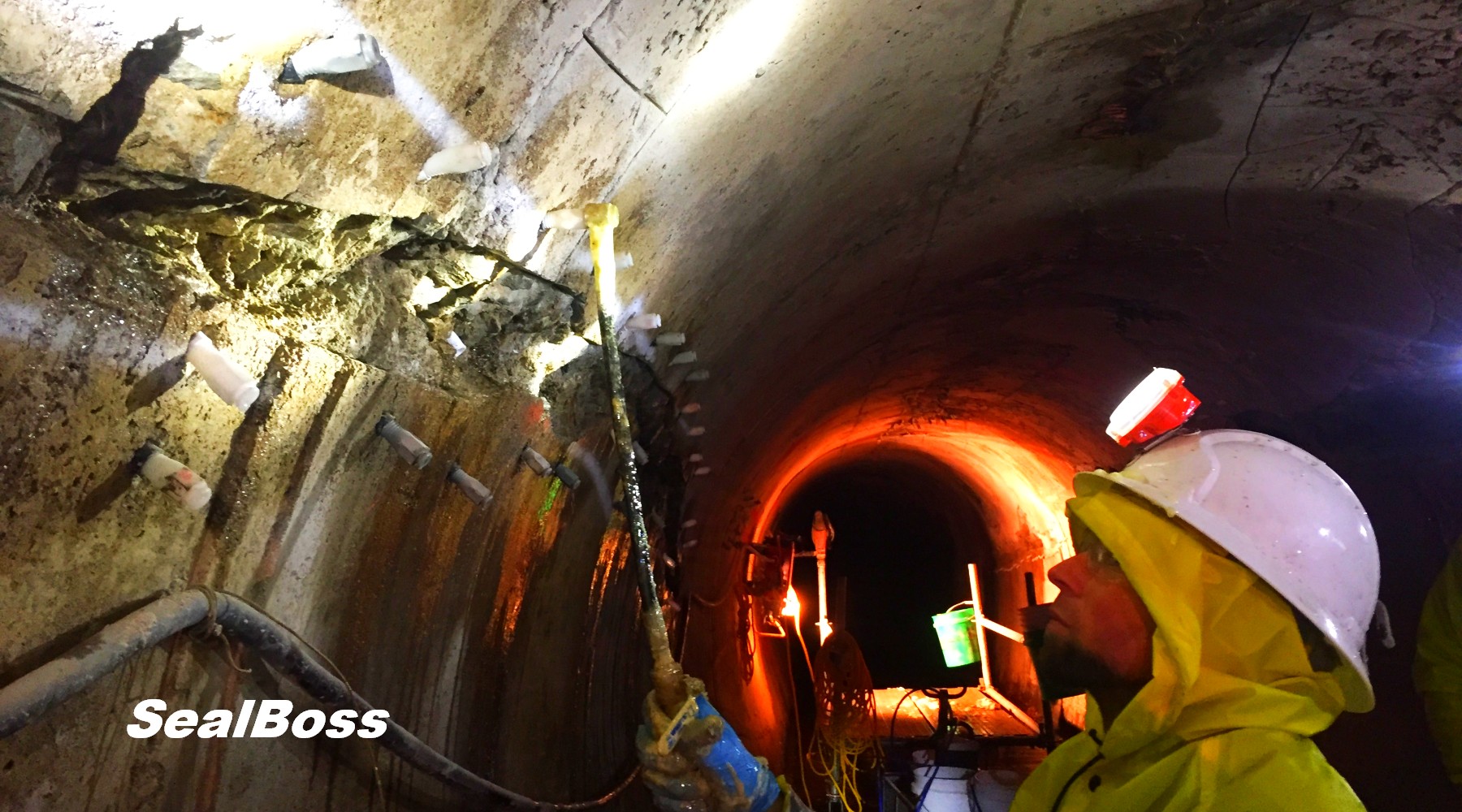
In this captivating video clip, viewers delve deep into a shadowy underground drainage tunnel, witnessing the significant impact of water ingress. Illuminated only by the beams of headlamps and makeshift lighting, the scene reveals a structure submerged in over a foot of water.

Despite the uninviting environment and jobsite conditions, the skilled injection team remains focused and determined, united by one mission: to repair and seal the structure.

Enter the SealBoss 1510 Water Stop Foam and SealBoss EZ Flow Plastic Button Head Injection Packers – a dynamic duo that promises effective and lasting solutions.

SealBoss 1510 Water Stop Foam: A Game-Changer in Flooded Tunnel Repair

The SealBoss 1510 Water Stop Foam is a polyurethane-based chemical grout renowned for its ability to stop water migration efficiently.

This injection project showcases the power of SealBoss 1510 Water Stop Foam. As the foam is injected, it migrates rapidly, filling cracks, fissures and voids, effectively stopping water ingress. The foam’s expansion and curing properties make it an ideal solution for such challenging environments, ensuring that the tunnel’s water tight integrity is restored.

Key Benefits:

High Expansion Rate: The foam effectively seals even the smallest gaps, preventing water flow.
Fast Curing Time: Once injected, it hardens quickly to form a durable barrier against water.
Versatility: Suitable for use in a variety of underground environments, including tunnels, pipelines, and many underground commercial and residential structures.

The Role of SealBoss EZ Flow Plastic Button Head Injection Packers for Floded Tunnel Repair

Ensuring Secure and Highly Efficient Grout Delivery

The effectiveness of SealBoss 1510 Water Stop Foam depends on precise delivery, which is made possible by SealBoss EZ Flow Plastic Button Head Injection Packers. These innovative injection tools are designed for efficiency, reliability, and ease of use in demanding conditions.

One of the highlights of this injection project is the impeccable, leak-free connection between the injection grout line’s slide coupler and the button head packers that have been installed. This is largely attributed to the purpose driven design of the button head packer and slide coupler, ensuring a secure connection, and eliminating the need for the contractor to manually hold it in place.

Additionally, the expansive inner diameter of both the coupler and button head, combined with the oversized ball valve design, facilitates the pumping and delivery of chemical grout at impressive flow rates and volumes. This guarantees that the foam is dispensed exactly where required.

SealBoss EZ Flow Plastic Button Head Injection Packers are instrumental in efficiently and securely delivering the SealBoss 1510 Water Stop Foam. They ensure the foam is dispensed at high volumes and appropriate pressures, streamlining and enhancing the repair process.

flooded tunnel repair

Conclusion

With the right tools and products in place, underground injection and flooded tunnel repair no longer needs to be a daunting task for crack injection teams. With the combined power of SealBoss 1510 Water Stop Foam and SealBoss EZ Flow Plastic Button Head Injection Packers, even challenging grout injection environments can be tackled with confidence.

This project serves as a powerful example of how cutting-edge materials and innovative tools can effectively restore the integrity of underground infrastructure, such as tunnels and pipelines. As the industry continues to evolve, solutions like these will remain at the forefront, enabling contractors to tackle water migration and infiltration with precision and reliability.

Investing in quality products and adopting proven repair techniques ensures not only the longevity of critical infrastructure but also the safety and well-being of communities that depend on it.

Related Articles

Leak-Seal Foam Grout
Water Stop Foam Grout
Hydrophobic Injection Foam Grout

Our #1 Selling Polyurethane Injection Foam
Water Cut-Off Injection Grout
Unregulated for transport. Drinking Water Contact meets NSF/ANSI 61 Section 5 requirements. 1510 PU Foam & Oakum Pipe Plug Kit

EZ FLOW PLASTIC INJECTION PACKER | PLASTIC PORT

High Volume Easy Flow Packer | EZ Flow Packer Design

Plastic packer with large inner diameter for high volume product flow. The packer is threaded and equipped with a removable, sleeve for good grip. Free-floating large ball valve for high volume applications. Buttonhead top for secure connection and minimal leakage. Suitable for PU grouts, Acrylate Gels (Acrylic Gels). Also available with zerk fitting.

Contact Your SealBoss ® Technician

Metro Tunnel Grouting – Stop Infiltration in Subways

Metro Tunnel Grouting – Stop Infiltration in Subways

Metro tunnel grouting is critical for controlling water infiltration in subway systems and safeguarding the long-term durability and safety of this essential infrastructure. Polyurethane injection foams, hydrophilic gels, and acrylate gels each offer distinct performance characteristics that make them well suited to different subway grouting scenarios.

When engineers and maintenance professionals understand these materials and apply best practices in product selection, application techniques, and quality control, they can effectively resolve infiltration issues and help ensure the continuous, reliable operation of metro and subway networks.

Metro Tunnel Grouting with Chemical Grout injection

Chemical grout injection encompasses a diverse array of applications, product groups, and injection methodologies. These techniques are employed to fill and seal cracks, voids, or honeycombs in concrete and masonry structures, rocks, and other natural substrates. Typically, chemical grout injections are executed under positive injection pressures using specialized pumps and associated grout delivery systems, which may comprise:

Chemical grouting can be categorized into various types, such as Water Stop and Infiltration Control Grouting, Soil Stabilization and Permeation Grouting targeting rock and soil formations, and Structural Epoxy Crack Injection.

Frequently employed chemical grouts for tunnel grouting encompass water stop polyurethanes, acrylate gels, and structural strength epoxies.

Choosing the Right Product for Your Needs

The effectiveness of a product is often determined by the unique conditions of the jobsite. It is essential to understand that no single resin is a one-size-fits-all solution. For the best outcomes and to meet specific requirements, selecting the correct resin is paramount.

Consult with a SealBoss Grouting Specialist

eeling uncertain about chemical injection grouting or its applications? Engage with our seasoned SealBoss grouting professionals. We offer on-site consultations and in-depth system training sessions. Reach out to us at 714-662-4445.

SealBoss – Solutions You Can Trust, Expertise You Can Rely On

Chemical grouting injection systems provide a wide range of solutions for challenges encountered in geotechnical projects, tunneling, underground waterproofing, and general civil engineering tasks.

SEALBOSS-1510
SealBoss1510
SEALBOSS-1570-LV-SMALL
SealBoss1570
SEALBOSS-1570-LV-SMALL
SealBoss 1570LV
SEALBISS-15X-SMALL
SealBoss 15x
SealBoss 2400
SEALBOSS-1403A-SMALL
SealBoss 1403
Contact Your SealBoss ® Technician

Elevator Pit Waterproofing

elevator pit waterproofing

Elevator Pit Waterproofing

Elevator Pit Waterproofing: Essential Solutions for Leak Sealing


Water intrusion in elevator pits poses safety risks, threatens equipment, and can lead to costly downtime and code issues.

SealBoss provides proven elevator pit waterproofing solutions based on professional-grade injection grouts, pumps, and accessories – backed by hands-on technical support. In this article, we outline practical repair approaches, recommended products, and application tips, and we can also connect you with experienced contractors in your region to ensure the job is done right and stays dry long term.

Introduction to Elevator Pit Waterproofing

Elevator pit waterproofing is vital for maintaining the structural integrity and operational safety of hydraulic elevator systems, particularly in commercial and industrial buildings. Polyurethane grout is a highly effective solution for elevator pit leak sealing and waterproofing. When injected into cracks, joints, or structural defects, polyurethane grout reacts with water to form a solid, impermeable barrier. This foam expands to fill voids, cutting off all water entry points and creating a long-lasting, watertight seal. Its application is especially beneficial in elevator pits, where complex leak challenges are often present, offering a durable and reliable solution that enhances the overall safety and longevity of the system.

The Importance of Elevator Pit Maintenance

Elevator pits are critical components in hydraulic elevator systems, yet they are often overlooked. These pits play a key role in ensuring the elevator’s safety, reliability, and efficiency. Regular maintenance of elevator pits is essential to prevent operational failures and safety risks, particularly those associated with water ingress.

Water Leakage: A Critical Concern

Water leakage in elevator pits, whether from groundwater intrusion or pipe leaks, poses significant risks to both the elevator system and building compliance. Accumulated water can mix with hydraulic oil, creating hazardous environmental and safety conditions. Without effective waterproofing, this combination can result in environmental contamination, fire hazards, and regulatory non-compliance.

Risks of Ignoring Water Leakage

Ignoring water leakage in elevator pits can lead to severe consequences:

  • Environmental and Safety Hazards
    The mixture of hydraulic oil and water creates contamination and potential fire risks
  • Equipment Damage
    Prolonged exposure to water can lead to corrosion and failure of key elevator components, increasing maintenance costs and causing system downtime
  • Legal and Regulatory Implications
    Non-compliance with environmental standards due to oily water leakage can result in fines, legal action, and costly cleanup processes

Taking prompt action to seal leaks and waterproof elevator pits is critical to avoiding these risks.

Polyurethane Grout: The Effective Elevator Pit Waterproofing Solution

Polyurethane grout is widely regarded as one of the most effective materials for elevator pit waterproofing. This liquid polymer reacts with water to form an expanding foam that fills voids and creates a strong, watertight seal. Its fast-setting nature and durability make it ideal for commercial settings that require minimal downtime.

Key Benefits of Polyurethane Grout for Elevator Pit Waterproofing

  • Durability
    Provides a long-lasting, impermeable seal
  • Cost-Effectiveness
    Reduces long-term maintenance costs due to its longevity
  • Environmental Compliance
    Manages oily water effectively, helping to meet environmental regulations
  • Minimal Disruption
    Quick installation process allows for efficient repairs with minimal disruption to building operations

Regular Maintenance and Preventative Strategies

To ensure the long-term success of elevator pit waterproofing, regular maintenance is essential. Proactive strategies help prevent water accumulation and extend the life of the elevator system.

Key Maintenance Practices Include

  • Regular Inspections
    Early detection of water ingress, corrosion, and hydraulic system issues
  • Cleaning and Debris Removal
    Prevents drainage blockages that can lead to water buildup
  • Drainage System Checks
    Ensures proper function and identifies weak points before they cause significant damage
  • Seal Integrity Checks
    Ensures that the waterproofing seals remain effective over time

In addition, incorporating preventative measures such as water detection systems, climate control, and proper landscaping around the elevator pit can further protect against water-related issues.

Selecting a Waterproofing Professional for Elevator Pits

Choosing the right contractor for elevator pit waterproofing is crucial for achieving long-lasting results. When selecting a waterproofing expert, consider their experience, customer reviews, and transparency in pricing.

Important Factors to Consider:

  • Proven Track Record
    Look for contractors with successful experience in elevator pit repairs.
  • Positive Reviews
    References and reviews from previous clients offer insight into the contractor’s reliability and quality of work.
  • Transparent Pricing
    Detailed quotations and clarity on pricing help prevent unexpected costs.
  • Expertise in Elevator Pit Issues
    A contractor who understands the specific challenges of elevator pits can provide tailored solutions, detailed work plans, and warranties

A long-term relationship with a reliable waterproofing contractor enhances maintenance strategies and ensures ongoing support.

Expert Elevator Pit Repair with SealBoss

SealBoss is a trusted provider of elevator pit waterproofing solutions, offering expert technical guidance and connections to experienced contractors. With SealBoss, property owners and managers can ensure that complex elevator pit leaks are handled efficiently and cost-effectively.

SealBoss can assist in hydraulic elevator pit repairs

  • Technical Expertise
    Customized sealing solutions based on the specific needs of your elevator pit.
  • Contractor Referrals
    Access to skilled contractors with proven experience in elevator pit repairs.
  • Long-Term Partnership
    Ongoing technical support for cost-effective and environmentally friendly waterproofing solutions.

Partnering with SealBoss provides building managers with the confidence that their elevator pit waterproofing needs are addressed professionally and efficiently.

Summary

Elevator pit waterproofing is essential to maintaining the safety, efficiency, and regulatory compliance of hydraulic elevator systems. Water leakage poses serious risks, and polyurethane grout is a proven solution for creating durable, watertight seals. Regular maintenance, including inspections and cleaning, is crucial for long-term protection, and selecting the right waterproofing professional ensures the success of the repair process.

For expert assistance with elevator pit waterproofing, contact SealBoss today at 714-662-4445 for tailored solutions and professional support.

Elevator Pit Waterproofing and Leak Sealing Case Study


On-Site Elevator Pit Waterproofing Injection Training in Nebraska

SealBoss provided on-site support and training to a contractor performing a leak-sealing repair in the elevator pit of a multi-family housing complex in Nebraska. The elevator pit was plagued by persistent water pooling, leading to efflorescence and progressive erosion of the surrounding walls. – More information on effloresence, click here – Without immediate waterproofing intervention, serious structural damage was inevitable.

Identifying the Problem

The main issue involved water seepage through the cold joints between the floor and the poured-in-place wall. One of the walls was constructed with masonry blocks, highlighting the mix of construction methods used, which further complicated the waterproofing process.

The Solution: Polyurethane Foam Injection

After assessing the site, the SealBoss team recommended using SealBoss 1510 Water Stop Foam, in combination with the P2002 Injection System. This high-performance foam was chosen for its ability to expand and fill voids, creating a watertight seal. Its compatibility with the P2002 system allowed for high-pressure injection, ensuring deep penetration and a more effective seal.

Preparing for Injection

Due to the active status of the elevator, scheduling was critical. The contractor worked closely with the on-site technician to temporarily suspend the elevator’s operation, ensuring safety during the waterproofing process

Since original blueprints of the elevator pit were unavailable, the team first drilled test holes to investigate the nature of the cold joint.

These preliminary holes were flushed with water using the BGUN1500 Hand-Operated Pressure Pump and 13-100AL ½” Aluminum Injection Packers to confirm the flow of material along the joint and clean out the drill holes.

The pre-injection served a dual purpose. Besides verifying travel along the joint, it also functioned as a cleaning mechanism, flushing out the drill hole and priming the crack for the injection of the hydro-active 1510 Water Stop Foam.

Injection Process

The successful pre-test led to the strategic placement of 13-100 AL injection packers positioned with approximately 18” spacing. These packers were then drilled around 4” – 6” from the wall through the floor, following the well-established 1, 2, 3, 45-Degree Guideline drilling method.

In the corners, packers were placed about 8” from the corner point and drilled directly into the corner at a 45-degree angle through the floor. Additional packers were set 8” from the adjacent wall and 4” – 6” from the wall face where the joint would be injected.

Once the packers were firmly installed, the injection process began. There was an immediate take of material and travel. The off-gassing from the chemical reaction was noticeably visible several feet from the injection point, signaling the foam’s effectiveness. Shortly thereafter, the cold joint started to resist the resin, indicating the commencement of the curing process. As the foam reacted and solidified, smaller shrinkage cracks became apparent.

Successful Completion

Upon completing the injection, all cracks and cold joints were successfully sealed. This allowed the elevator to return to service with minimal disruption to the building’s occupants. The project highlighted the effectiveness of SealBoss 1510 Water Stop Foam and the importance of strategic planning and execution in elevator pit waterproofing.

Elevator Pit Waterproofing – Key Takeaways from the Project

This endeavor showcases the expertise of SealBoss in effectively managing water leakages in complex environments. It also demonstrates how the proper application of specialized materials, such as SealBoss 1510 Water Stop Foam, can ensure durable and reliable results. The project underscores the importance of adequate planning and coordination in such operations.

Additionally, this experience emphasizes the crucial role of pre-injection tests in ensuring the success of the actual repair. By confirming travel along the joint and cleansing the drill hole, the process ensured a successful application of the Water Stop Foam System.

Conclusion

Elevator pit waterproofing requires careful planning, testing, and the right materials to ensure success. SealBoss provided valuable support and expertise in addressing the water intrusion challenges at this site, delivering time-efficient and cost-effective solutions.

At SealBoss, we are committed to equipping contractors with the knowledge and tools they need for effective leak-sealing and waterproofing projects. Supported by a skilled technical team, we stand ready to assist you with any challenges you may face in the field.

For more information on elevator pit waterproofing or to schedule a consultation, contact SealBoss today. Our team of professionals is here to guide you through every step of your waterproofing project, ensuring long-lasting results and minimal downtime.

Contact Us by Phone: 714-662-4445

“We are committed to ensuring that everyone on the jobsite is well-versed with our systems and possesses the ability to pass on this knowledge to the next person. Supported by our adept technical support team, we stand ready to assist you with any queries you might encounter.

If you’re interested in gaining insights from a seasoned contractor regarding elevator pit repairs, we would highly recommend checking out our podcast through the link provided below.”

Technical Sales Team
Contact Your SealBoss ® Technician

How to Seal Leaks | Repair Cracks in Shotcrete

How to Seal Leaks | Repair Cracks in Shotcrete

How to Seal Leaks and Repair Cracks in Shotcrete

Shotcrete is a versatile and durable material widely used in construction for creating complex structures, including decorative elements in zoos and theme parks.

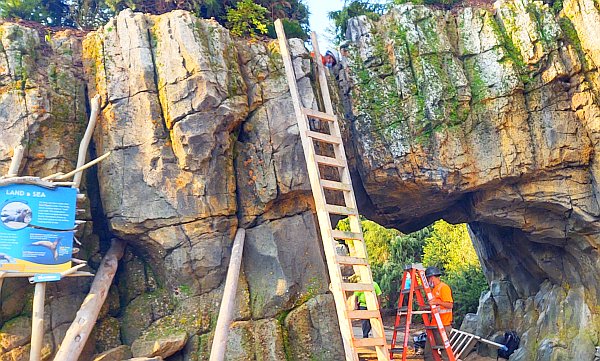
However, like any other material, it is prone to developing cracks and leaks over time. Addressing these issues promptly is crucial to maintain the integrity and appearance of the structures. This article outlines a practical example of how the SealBoss Water Stop System was effectively used to repair a decorative shotcrete structure at the Omaha Zoo.

Shotcrete Water Intrusion: Why Risk Is Higher than CIP and How Injection Mitigates It

Shotcrete is a workhorse for tunnels, basements, shafts, tanks, and slope stabilization. But compared with well‑vibrated cast‑in‑place (CIP) concrete, shotcrete has a higher risk of water intrusion—not because the material itself is inferior, but because placement variables (nozzle technique, rebound, and bonding) can create porous zones, laminations, and honeycomb voids.

The good news: injection grouting precisely targets those leak paths without demolition.

Common Leak Sources in Shotcrete

  • Rebound pockets & laminations behind the finished face or around congested steel
  • Honeycombs/voids near corners, embeds, and penetrations
  • Cold/day joints with incomplete bonding between lifts
  • Interfaces at shotcrete‑to‑rock or shotcrete‑to‑existing concrete
  • Cracks (shrinkage, thermal, or flexural) that become water carriers

Summary – TL;DR

  • Shotcrete is more sensitive to workmanship than CIP. That sensitivity increases the odds of rebound pockets, laminations, and honeycombs that become water pathways.
  • The fastest, least disruptive fix: chemical injection—spot seal and stop active water with hydrophobic/hydrophilic polyurethane (PU) foam injection, or for large scale porosity in below grade structures seal with low viscosity PU foam or ultra‑low‑viscosity acrylate gel (curtain injection) as needed.
  • Use epoxy only if structural crack repairs are specified and after water control.
  • Use lowest possible, controlled injection pressure, tight port patterns, and clear pass/fail criteria.
How to seal leaks and repair cracks in Shotcrete Sealboss 1510

sealboss 1510 shotcrete crack injection

How to Seal Leaks and Repair Cracks in Shotcrete – The Challenge

Leaks and Cracks in Decorative Shotcrete

The Omaha Zoo faced a significant challenge when a decorative shotcrete structure, an integral part of the zoo’s aesthetic appeal, began showing signs of deterioration.

Cracks and leaks had developed, primarily due to an irrigation system installed above the structure. Water seepage through these fissures threatened the durability and appearance of the faux rock face, necessitating an urgent and effective repair solution.

The Solution: SealBoss 1510 Foam and P2002 Polyurethane Pump

To address the leaks and repair the shotcrete structure, a technical representative from SealBoss was called upon. The solution proposed involved the use of the SealBoss Water Stop System, specifically the 1510 Water Stop / Leak Seal Foam and the compact P2002 Injection Pump, along with SealBoss Evolution AL Packers (1/2″, 5/8 BH/Zerk).

The objective was clear: Seal the leaks in the shotcrete and repair the cracks effectively without compromising the structure’s aesthetic value. The SealBoss system was chosen for its proven efficiency in such scenarios.

The Process: Hydro Active Foam Injection Technique

The shotcrete leak seal repair process began with a thorough assessment of the structure to identify all visible voids and cracks. The SealBoss team then employed the hydro active foam injection technique, using the P2002 drill injection machine along with 1/2 AL & 5/8 injection packers.

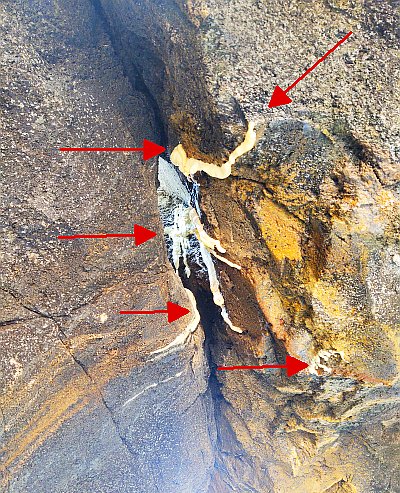
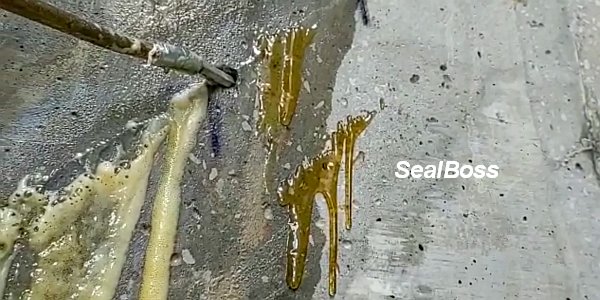
SealBoss 1510 was injected into the shotcrete cracks until visible penetration was observed on the face of these cracks. This process required multiple injections at various points to ensure that the foam traveled deep into the cracks, forming a dense, closed-cell compression seal upon expansion. One of the remarkable observations during the process was the expanding foam pushing out from the cracks, indicating its excellent travel and coverage within the network of fissures.

The Outcome: A Leak-Free, Restored Structure

Following the injection process, the structure underwent a rigorous inspection to ensure that all leaks were sealed. The SealBoss system proved its efficacy, as the structure passed the inspection with no signs of leakage. The aesthetic integrity of the structure was maintained, with minimal visible impact from the repair process.

Training and Support

SealBoss offers in-person and video training for those interested in learning more about their products and techniques. This training is invaluable for professionals looking to enhance their skills in leak sealing and crack repair in shotcrete structures. Additionally, SealBoss provides access to regional technical representatives who can offer insights into the full range of system solutions and offerings.

Conclusion

The successful repair of the decorative shotcrete structure at the Omaha Zoo is a testament to the effectiveness of the SealBoss Water Stop System. This case study highlights the importance of choosing the right materials and techniques for repairing shotcrete structures. With the right approach, it is possible to extend the life of these structures while maintaining their aesthetic and structural integrity.

For those facing leaking shotcrete challenges, consulting with a SealBoss technical representative can provide tailored solutions to effectively address leaks and cracks in shotcrete.

SealBoss® provides PU water‑stop resins, acrylate gel systems, injection pumps, mechanical packers, and training to execute the sequences above. Share your drawings, leak rates, and access constraints—we’ll assist in proposing a port layout, gel‑time schedule, and material takeoff tailored to your project.

SealBoss ® P2002 Drill Operated Injection Pump Advantages
  • Polyurethane Grout Injection Pump
  • Polyurethane Foam Injection Pump
  • Easy To Use
  • Easy To Cean
  • Easy To Maintain
  • Modular, Compact &
  • Sturdy Design
  • Single Component
  • Electric Drill Operated
  • Heavy Duty For Daily Use
  • Pressure Gauge, Hose Set, Hopper Included
  • Recommended For Beginners & Injection Pros
  • > 5000 PSI Injection Pressure Possible


Seal Leaks and Repair Cracks in Shotcrete – Frequently Asked Questions

Is shotcrete inherently leaky?

No. Properly placed shotcrete can be watertight. But its placement method increases the odds of defects (rebound pockets, laminations, honeycombs) that raise the risk of leakage versus CIP. Injection addresses those specific pathways.

Will PU alone fix my problem?

PU foam is ideal for stopping active water quickly. If the wall is generally permeable or seepage is diffuse, add an acrylate gel curtain to create a continuous barrier.

When should I consdider epoxy?

Only if specified and after water is controlled. Epoxy is for structural crack repair and requires dry conditions to bond properly.

What injection pressures should I use?

Start low and increase only as necessary. The goal is flow‑based infiltration along leak paths, not fracturing the concrete.

How will I know it worked?

No visible flow, a dry face after 24–72 hours, and no damp telegraphing beyond the grid.

In below grade structures damp spot or wet areas may show up later if water table rises or dried out soil becomes saturated. Water may migrate to areas that have not been treated.

Contact Your SealBoss ® Technician

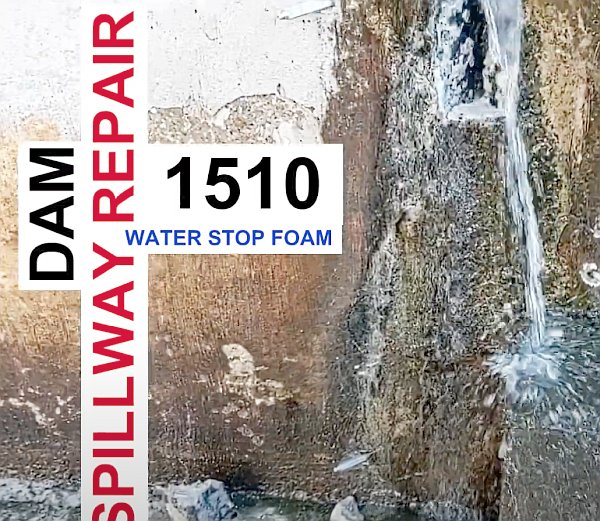
Dam Spillway Leak Sealed

Dam Spillway Leak Sealed

SealBoss 1510 Polyurethane Foam

SealBoss 1510 Leak Sealing Application

What is the Purpose of a Spillway in Dams?

A spillway serves a critical function in dam systems. Either incorporated into the dam’s structure or built adjacent to it, a spillway facilitates the controlled and secure discharge of surplus water downstream.

Introduction

Spillways play a critical role in safely managing excess water in dam systems. Over time, leaks can develop in cold joints and cracks, posing structural risks and operational challenges. Traditional repair methods often fall short—especially under high water pressure.

SealBoss 1510 Water Stop Foam offers a reliable solution. Its hydro-active, expanding polyurethane formula penetrates deep into leaking areas, sealing active water flow and forming a durable, watertight barrier. This article highlights a successful spillway leak repair using Water Stop Foam, demonstrating its effectiveness where other methods failed.

SB 1510 Polyurethane Foam in Dam and Spillway Leak Sealing

Dam Spillway Leak Sealed with Advanced Polyurethane Foam Injection

When it comes to critical infrastructure, few challenges are more pressing than water intrusion in dams. One of the most effective solutions available today is SealBoss 1510 Water Stop Foam, a high-performance, hydro-active polyurethane product. This case study and technical overview demonstrate how a dam spillway leak was sealed using SB 1510 polyurethane foam, offering a lasting and economical solution.

Why Polyurethane Foam for Dam and Spillway Leak Repairs?

Polyurethane foam is widely respected for its low viscosity and superior adhesive properties, making it ideal for sealing active water leaks in dam and spillway structures. Its hydro-reactive nature enables it to expand on contact with water, effectively filling cracks, joints, and voids — even under high-pressure flow.

When injected into a leaking dam or spillway, the foam penetrates deeply into fissures and gaps. It reacts quickly with water, expands, and cures into a solid, waterproof barrier. This process forms a robust seal that prevents further water ingress and strengthens the surrounding substrate.

How Dam Spillway Leaks Are Sealed Using SealBoss 1510

The leak remediation process begins with drilling holes along the affected cold joints or cracks in the dam spillway. Mechanical injection packers are then installed, allowing SealBoss 1510 to be injected precisely where needed. The foam expands rapidly within the concrete structure, bonding to the substrate and stopping the leak at its source.

After curing, the foam forms a permanent repair that is resilient, flexible, and capable of withstanding ongoing hydrostatic pressure—making it one of the best solutions when a dam spillway leak must be sealed quickly and reliably.

Case Study: Dam Spillway Leak Sealed After Multiple Failed Repairs

Background: Persistent Cold Joint Leak

SealBoss was contracted to repair a leaking cold joint in a dam spillway—one that had already failed four previous repair attempts. Prior caulking had eroded due to continuous water pressure, allowing active leakage through the “V” notched joint. With increasing water infiltration, the situation called for a proven, robust method to get the dam spillway leak sealed once and for all.

Step-by-Step: Leak Sealing with SB 1510 Water Stop Foam

  • Surface Prep and Joint Access
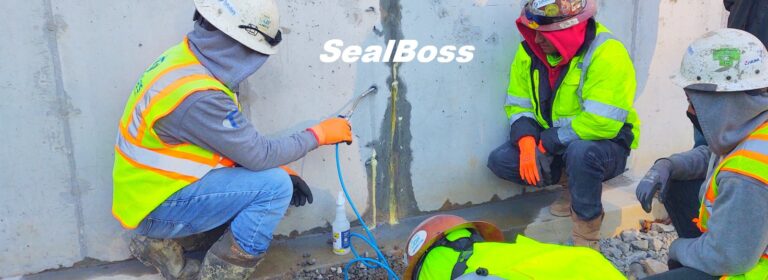
    Technicians began by removing loose and deteriorated caulking to fully expose the leaking joint. Drill holes were made adjacent to the joint, and active water flow confirmed correct placement.

  • Oakum Soakum Technique
    To immediately address the gushing leak, the team applied the Oakum Soakum method using SealBoss 1500 Seal Oakum saturated with SealBoss 1510 and accelerated with 15x Accelerator for fast reaction and curing. The oakum was placed directly into leaking crevices to form an initial water block.

  • Injection Packer Installation
    Next, 13-100 AL mechanical packers were installed in a staggered vertical pattern, based on SealBoss’s 1 – 2 – 3, 45 – Degree Injection Guidelines. Strategic spacing ensured coverage while avoiding rebar interference.

  • Polyurethane Injection
    Using the SealBoss P2002 injection pump, catalyzed SB 1510 foam was injected starting from the lowest packer. Controlled pauses allowed the resin to expand fully, minimizing waste while maximizing penetration.

Result: Dam Spillway Leak Sealed with Lasting Effect

All leaking joints were successfully sealed. The high-pressure, active leaks were stopped effectively, and the structure’s integrity was restored. This application proved once again that SealBoss 1510 polyurethane foam is a powerful tool in dam and spillway leak sealing.

Conclusion

If you’re facing persistent water intrusion, cracks, or joint failures in spillway structures, getting the dam spillway leak sealed properly is critical.

The SealBoss 1510 Water Stop Foam injection system provides a fast, durable, and cost-effective repair method—even under high-flow conditions.

This proven technology not only stops active leaks but also extends the life of dam infrastructure. As this case study demonstrates, polyurethane grout injection is the gold standard for dam and spillway maintenance.

Ready to get your dam spillway leak sealed?
Contact SealBoss today at 714-662-4445 or visit our website to connect with an expert and find the right solution for your project.

Contact Your SealBoss ® Technician

Water Treatment Plant Maintenance

Maximizing Performance and Longevity

Water Treatment Plant Maintenance
and Water Reclamation Facility Solutions

Introduction

Water Reclamation District Maintenance and Water Treatment Plant Maintenance in general are the backbone of modern infrastructure, ensuring clean and safe water for consumption, sanitation, and industrial use. Effective, ongoing maintenance of these facilities is critical to maintaining continuous, efficient operations.

At SealBoss, we understand the importance of maintaining water reclamation districts and  water treatment plants. We provide comprehensive solutions to address common challenges, such as leak sealing, crack repair, and water stop systems. By leveraging advanced technologies and reliable products, we help ensure the long-term integrity and functionality of water infrastructure.

Products such as SealBoss 1510 Original Water Stop Foam play a pivotal role in resolving these challenges. This hydrophobic, water-activated grout is highly versatile, suitable for applications such as leak sealing, hairline crack injection, and void filling. When combined with the IP-495 Injection Pump and BP-13-115S Packers, SealBoss 1510 ensures precise, effective repairs for various crack injection scenarios. The resin’s NSF drinking water certification further highlights its suitability for water reclamation district and water treatment facilities.

This article highlights maintenance practices and tools, emphasizing innovative solutions designed specifically to address critical challenges, including sealing leaks, repairing cracks, and installing effective water stop systems.

Good maintenance and is critical for several reasons. It ensures the safety of reclaimed as well as treated water, prevents costly downtime, and extends the lifespan of infrastructure components.

Regular maintenance reduces the risk of leaks, structural damage, and system failures, which can disrupt water supply and compromise safety standards.

SealBoss Offers Specialized Training for Water Reclamation and Treatment Plant Maintenance Applications

Proactive maintenance is essential for ensuring structural integrity and operational efficiency in water reclamation and water treatment facilities. SealBoss injection solutions, such as the SealBoss 1510 Original Water Stop Foam, BP-13-115S Packers, and the IP-495 Injection Pump, are designed to tackle common maintenance issues such as leaking cracks and structural degradation.

By combining advanced technologies with comprehensive training, SealBoss supports facility teams in preventing system failure, reducing downtime, and extending the operational life of critical water treatment installations.

Key Challenges

Water treatment plants and water reclamation districts often face a range of ongoing maintenance challenges that necessitate regular maintenance:

  • Structural Cracks and Leaks: Over time, concrete structures in water treatment plants can develop cracks due to pressure, chemical exposure, and natural wear and tear. These cracks can lead to leaks, compromising the efficiency and safety of the plant.
  • Corrosion and Chemical Damage: Continuous exposure to chemicals and water can corrode metal components and degrade concrete, necessitating timely repairs.
  • Equipment Wear and Tear: Pumps, filters, and other equipment experience mechanical wear over time, leading to reduced efficiency and potential failures.
  • Environmental Factors: Fluctuations in temperature, seismic activity, and other environmental factors can impact the integrity of water treatment plant structures.

SealBoss Solutions for Water Reclamation District and Water Treatment Plant Maintenance

SealBoss provides comprehensive solutions tailored to the unique challenges of water containment maintenance. Our products and systems are designed to address cracks, leaks, and structural integrity issues effectively.

Pictures: Repairing Thickener Leaks at Water Reclamation District Facility

SealBoss 1510 Original Water Stop Foam

SealBoss 1510 Water Stop Foam is our most versatile and our best-selling chemical injection grout for stopping water leaks in most crack injection situations.

It is a hydrophobic water-activated, hydro-active water cut-off grout and foam seal grout based on an MDI polyurethane.

Mixed with 15x Accelerator, the resin is 100% solvent-free and 100% solids.

Product Highlights:

  • Hydrophobic, water-activated, hydro-active grout
  • Based on MDI polyurethane
  • Mixed with 15x Accelerator
  • 100% solvent-free and solids-based

Applications include:

  • Crack Injection Foam: Seals cracks in concrete effectively.
  • Water Stop Foam: Ideal for stopping active water leaks.
  • Leak Sealing Foam: Provides durable and reliable leak sealing.
  • Concrete Repair Foam: Restores structural integrity.
  • Void Fill Foam / Filling Voids under Concrete Slabs: Stabilizes and fills voids under concrete.
  • Curtain / Bladder Injection Grout: Creates water-tight barriers.
  • Soil Stabilization Grout: Reinforces and stabilizes soil structures.
  • Hydrophobic Moisture Inert Structure: Offers resistance to water ingress.
  • Hairline Crack Seal Foam: Perfect for sealing fine, hairline cracks.
  • NSF Drinking Water Contact Foam: Safe for applications involving potable water.

Key benefits include:

  • Durability: SealBoss 1510 forms a permanent seal, preventing water ingress.
  • Versatility: Suitable for hairline cracks, larger voids, and various other applications.
  • Ease of Application: Efficient and controlled injection, minimizing downtime.

Pictures: SealBoss System Polyurethane Foam Grout Injection

SealBoss System Solutions: Injection Pumps & Packers

SealBoss InjectionPump System

SealBoss Injection Pumps, particularly the IP-495 Injection Pump, is a cornerstone of effective crack injection and leak sealing operations.

Engineered for reliability and precision, the IP-495 offers high-pressure performance necessary to handle a variety of polyurethane and epoxy injection applications. Its lightweight, portable design ensures ease of use in demanding environments like water treatment plants. The pump’s ability to deliver controlled and consistent material flow makes it an essential tool for achieving successful repairs with SealBoss products, such as the 1510 Water Stop Foam. By streamlining the injection process, the IP-495 significantly reduces downtime and enhances the efficiency of maintenance operations.

SealBoss Injection Packer System – Placement and Spacing

Proper packer placement is a cornerstone of effective crack injection. The spacing and positioning of SealBoss BP-13-115S Packers depend on the width and depth of the crack, ensuring even distribution of the injection material. SealBoss provides training and guidelines to help operators achieve optimal results, as demonstrated during the Clark County training session.

Total System Solutions

SealBoss’s Total System Solutions encompass a range of products and accessories designed to work seamlessly together. From injection pumps to packers and hydrophobic foams, our systems ensure reliable and efficient repairs. These solutions are available through a nationwide distribution network, making it easy for water treatment plants to access the tools they need for maintenance.

Video: Fine Crack Water Leak Sealing Repair with SealBoss PU Injection Systems

Best Practices for Water Reclamation District and Water Treatment Plant Maintenance

Effective maintenance requires a proactive and systematic approach. Here are some best practices to consider:

  • Regular Inspections: Routine inspections are essential for identifying potential issues before they escalate. Inspectors should check for visible cracks, leaks, and signs of wear and tear in concrete and metal components.
  • Proper Training: Training personnel in the use of advanced maintenance tools and techniques is crucial. The training session  demonstrated the value of hands-on experience with SealBoss products.
  • Scheduled Repairs: Addressing minor issues promptly can prevent costly repairs and downtime. Products like SealBoss 1510 enable quick and effective crack repairs, minimizing disruptions.

Environmental Monitoring

Monitoring environmental factors such as temperature, humidity, and chemical exposure helps identify potential risks to the plant’s infrastructure.

Record-Keeping

Maintaining detailed records of inspections, repairs, and maintenance activities ensures accountability and helps in planning future maintenance schedules.

SealBoss’s Commitment to Excellence

At SealBoss, we go beyond providing products — we offer solutions designed to meet the rigorous demands of water reclamation and water treatment environments. Whether you’re sealing a hairline crack or stabilizing a larger structural issue, our systems are engineered for performance, longevity, and ease of use.

Why Choose SealBoss?

  • Proven Track Record – Over three decades of repairs in water treatment plants and water reclamation facilities.
  • Comprehensive Solutions –From crack injection to complete solutions.
  • Expert Support – Our team offers training and technical support to ensure successful implementation of our products.
  • Nationwide Distribution – SealBoss products are readily available through a nationwide network, making it easy to access the tools you need for maintenance.

The Future of  Water Reclamation District and Water Treatment Plant Maintenance

As water treatment and water reclamation plants face increasing demands and aging infrastructure, the need for effective maintenance solutions will continue to grow.

SealBoss is at the forefront of innovation, providing products and systems that address the evolving challenges of the industry. By investing in regular maintenance and leveraging advanced tools like the SealBoss 1510 Water Stop Foam, water treatment plants can ensure their longevity and efficiency.

Conclusion

Ongoing maintenance is essential for keeping water treatment and reclamation systems safe, efficient, and compliant.

Even the newest structures require attention — and SealBoss is here to help.

With proven products, expert support, and nationwide access, we empower facilities to address problems early and build lasting reliability. Contact SealBoss today to learn how we can support your water treatment plant maintenance needs.

Together, we can protect your infrastructure — one repair at a time.

Contact Your SealBoss ® Technician

Watertight Pipe Penetration Sealing

Watertight Pipe Penetration Sealing

Guidelines for Pipe Penetration Waterproofing

Introduction

Waterproofing pipe penetrations is a critical task in maintaining the integrity of a structure housing utility systems. Ensuring that pipes and conduits passing through walls or floors do not allow water ingress is essential for preventing damage and maintaining safety, especially in environments with high moisture or any water exposure. This guide provides a comprehensive overview of the steps and techniques necessary for effective pipe penetration waterproofing and sealing.

It covers the basics of installing new or replacing failed water stops around existing pipe penetrations, utilizing a range of products and techniques to seal these areas effectively. Whether you are dealing with active leaks, dormant leaks, or the unwanted migration of pollutants or gases such as exhaust fumes, unsealed pipe penetrations and conduits require an understanding of the best sealing procedures for your specific situation, this guide, along with the expert assistance of SealBoss technicians, offers the knowledge and solutions needed to address these challenges confidently.

How to Replace failed Water Stop around existing Pipe Penetrations

Step 1: Clean the area – Begin by eliminating any old grout or deteriorated concrete from around the pipe penetrations. Ideally, remove material to a depth of at least 1″ and a width of 1/2″ all around the pipe’s circumference. In this demonstration, an air chisel was utilized adhering to the safety protocols outlined by the natural gas plant.

Step 2: Clear the debris – After the removal of old grout or concrete, it’s essential to thoroughly clean the area. Employ a brush, air blower, or vacuum cleaner to eliminate any remaining dust or loose particles.

Step 3: Initiate the repair process – Once the area is clean, you’re ready to proceed with the installation of the repair products. Your pipeline is now prepped for the restoration process to commence.

Utilizing Multiple Products and Techniques for Pipe Penetration Sealing

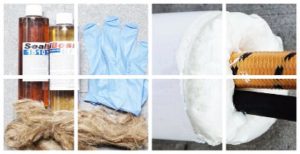
Oakum Saturation with Foam Grout

Oakum Soakum Installation

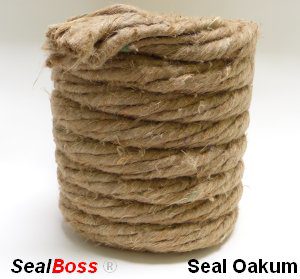
The process starts by unwinding and snipping an adequate length of Oakum rope to encircle the part of the pipe where it breaches the wall. The installer will initially manipulate and expand the Oakum, augmenting its surface area for better adherence with the catalyzed resin.

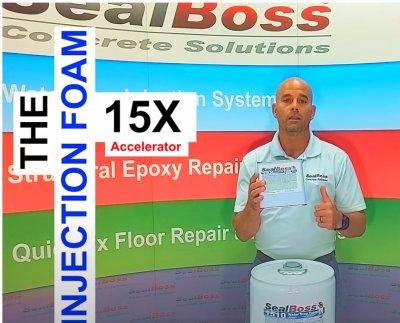
Next, using a zip-top bag or a bucket, dispense a sufficient quantity of SealBoss 1510/1570 resin to comprehensively saturate the Oakum strand. Following this, add the desired 15x catalyst concentration of 5% – 20%, contingent on the intensity of the leak.

The catalyst ratio dictates the reaction time and expansion rate. For dormant leaks, we recommend a catalyst percentage of 5% to 10%, and for active leaks, a proportion of 10% to 20% is suggested. Our technical representatives are available for any queries related to catalyst ratios.

After thoroughly soaking the Oakum, swiftly wrap it around the pipe, manipulating the fibers to fill as much of the pipe penetration annulus as possible. This forms a gasket-like sleeve around the pipe. Spray the soaked Oakum with water to facilitate the foam’s catalyzation. Within moments, you’ll observe the foam starting to form and expand.

Upon the foam’s complete curing, consider the repair concluded successfully.

  • In areas of constant hydrostatic pressures it is often recommended to inject the circumferential void throughout the thickness of the wall using SealBoss 1510 or 1570 Water Stop Foam.
  • With the use of a SealBoss Grout Injection Needle and a low cost HP1500 Ultra Light Hand Gun or a HP 100 Hand Pump, the foam grout can be conveniently placed and injected into the void. Depending on the conditions at the jobsite, the injection can be performed following the ‘Oakum Soakum Procedure’, by penetrating the initial repair with the injection needle and inject SealBoss Water Stop Foam behind it.
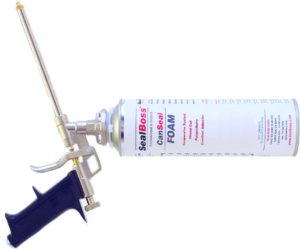
  • For small jobs and pipe diameters, and for low cost applications where hand pump and injection needles are not feasible, SealBoss Can-Seal Foam can be used as a lower grade alternative.

Upon completion of the leak-sealing application, carefully remove any surplus cured foam protruding from the annulus to ensure a clean working area for the subsequent application of grout or mortar around the pipe penetration.

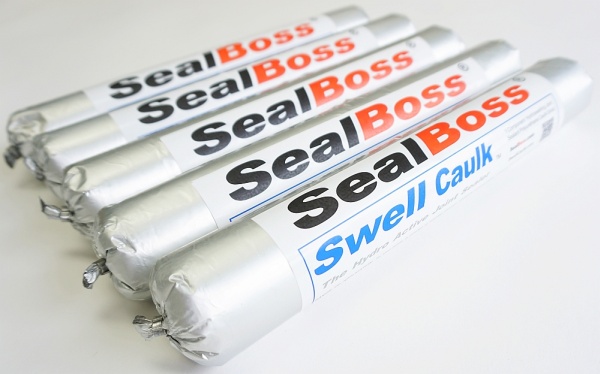
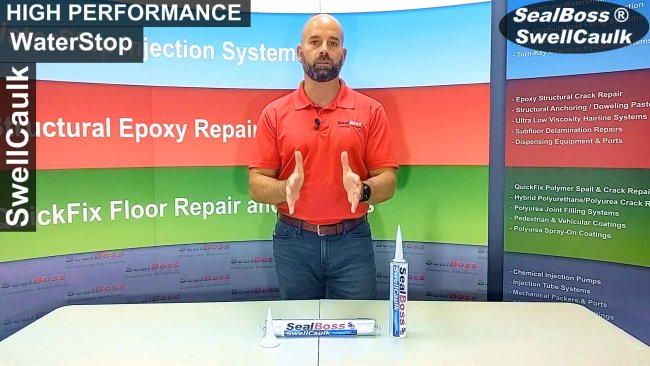
  • SealBoss SwellCaulk is a premium, single-component hydroactive sealant, specifically designed to expand upon contact with water, thereby creating a secure, watertight seal. This product is especially effective for repairing pipe and cable penetrations. For optimal results with SwellCaulk, apply a bead of an appropriate size around the pipe, extending it beyond the chipped area and up to two inches deep into the circumferential void. Upon exposure to moisture, this hydrophilic material initiates its expansion process, thereby effectively forming a watertight seal around the pipe.

Pipe Penetration Sealing Products

Which Pipe Sealing Procedure is Right for You?
Call Your SealBoss Technician

Should you have any inquiries regarding pipe penetration sealing, crack injection water stop methodologies, or any other injection-related procedures, do not hesitate to reach out to our team of proficient SealBoss representatives. We are more than happy to assist you.

In order to assist you in understanding our systems more effectively, we provide on-site visits along with practical, hands-on training sessions involving our injection systems.

Call us at 714-662-4445.

Contact Your SealBoss ® Technician
Popular Posts
More Posts
Archives
Categories
Scroll to Top