
Search

news | blog

Swimming Pool Soil Settlement

Soil Settlement effecting Swimming Pools – Overview:

Insight, Management, and Prevention

Swimming pools represent more than just a body of water; they are a symbol of luxury, a hub for family gatherings, a resource for physical fitness, and a sanctuary for relaxation. However, the sanctity and utility of this valuable asset can be jeopardized by soil settlement, a phenomenon leading to structural instability and potentially severe damage.

In this overview, we look at what leads to soil settlement near swimming pools and propose a noteworthy solution: the SealBoss Polyurethane Polymer Injection System.

For Information on Pool Crack Repair click here

Understanding Soil Composition and Settlement

Soil, an intricate composite of organic matter, minerals, gases, and liquids, showcases variations in characteristics such as density and stability. Soil settlement refers to the downward movement of the soil surface, triggered by alterations in the layers beneath. Several factors contribute to this process:

  • Moisture Content: Excessive water can oversaturate the soil, diminishing its strength and compaction, which can be a result of heavy rainfall or inadequate drainage.

  • Soil Types: Different soil types possess varying load-bearing capacities. Loose or sandy soils, under the burden of a swimming pool, can shift and settle over time.

  • Inadequate Compaction: If the soil wasn’t adequately compacted during pool construction, it might settle over time, leading to depressions or gaps around the pool. Proper compaction is crucial during construction to prevent future settling issues, a step that some pool installers neglect, leading to inevitable settlement.

  • Pool Leaks: Persistent water seepage from leaking pipes can erode the soil, leading to sinkholes in severe cases. Thus, prompt addressing of water leaks is essential.

  • Insufficient Footings: Proper footings are necessary for supporting the pool deck’s load. Insufficient footings can lead to settlement issues.

  • Improper Drainage: If the pool is installed lower than the surrounding land, proper drainage is crucial. Water accumulation can undermine the foundation and trigger settling issues.

Ramifications of Soil Settlement around Swimming Pools

The implications of  swimming pool soil settlement are substantial and diverse:

  • Structural Damage: The foremost concern with soil settlement is the potential for grave structural damage. Uneven ground can cause the pool to shift, crack, or in extreme cases, collapse.

  • Aesthetic Implications: Soil settlement can create unattractive gaps or depressions around the pool, which can accumulate water, further escalating soil erosion.

  • Safety Risks: Uneven surfaces and gaps around the pool can be tripping hazards, posing a significant risk to children and older individuals.

  • Concrete Slabs and Pavers Settling: Soil issues can lead to settling concrete slabs and pavers around the pool deck. The necessary stabilization method will depend on the pavers’ base material.

The SealBoss Polyurethane Foam Injection System

Addressing soil settlement around swimming pools demands swift and effective solutions. The SealBoss Polyurethane Foam Injection System offers several advantages:

  • Versatility: The system is compatible with a broad range of soil types and conditions, demonstrating its versatility in tackling soil settlement.

  • Non-disruptive: The SealBoss system is minimally invasive, eliminating the need for excavation or heavy machinery and preserving the pool area’s aesthetics during the remediation process.

  • Rapid Curing Time: The SealBoss polyurethane foam cures swiftly, reducing pool usage downtime considerably.

  • High Expansion Ratio: The foam boasts a high expansion ratio, enabling it to fill considerable voids, compact and consolidate soil, and provide lift in areas where necessary.

  • Durability: The SealBoss system ensures lasting stabilization, reducing the risk of future soil settlement.
    Implementing the SealBoss System for Soil Settlement Management

Implementing the SealBoss Polyurethane Foam Injection System:

  • Assessment: An exhaustive assessment is carried out to determine the extent of soil settlement and pinpoint areas needing remediation.

  • Preparation: Injection points are strategically identified and prepared around the pool’s affected areas.

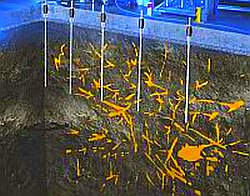
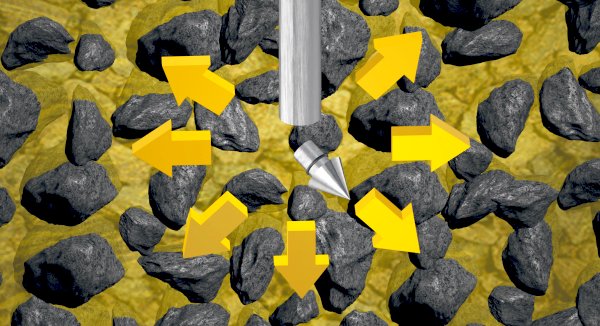
  • Injection: Specialized equipment injects the SealBoss polyurethane foam into the soil. The foam expands, filling voids and lifting the settled soil.

  • Observation and Adjustment: The process is closely monitored, with adjustments made as necessary to achieve optimal lift and stabilization.

  • Final Inspection and Clean-up: Post-injection, a final inspection ensures the desired outcome has been reached. The injection points are then sealed, and the area is cleaned up, restoring the aesthetics of the pool area.

Preventive Measures Using the SealBoss System

While the SealBoss Polyurethane Foam Injection System provides an effective remediation solution, it can also serve a preventive role during pool installation:

  • Pre-construction Assessment: A thorough analysis of soil conditions can help predict potential settlement issues, considering the soil type, load-bearing capacity, and moisture content.

  • Soil Stabilization: The SealBoss system can stabilize the soil prior to pool installation, preventing soil settlement from the outset.

  • Ongoing Monitoring: Regular checks can identify potential settlement issues early, allowing for prompt remediation using the SealBoss system.

In conclusion, soil settlement around swimming pools is a common issue that can lead to  structural damage and safety hazards if left unaddressed. Comprehending the contributing factors is vital for prevention and remediation.

The SealBoss Polyurethane Foam Injection System offers a significant solution, contributing to versatile and reliable settlement management. Its application spans from post-settlement remediation to preventive measures, demonstrating its comprehensive utility in preserving the longevity and safety of your swimming pool.
Contact Your SealBoss ® Technician

Pressure Grouting

Pressure Grouting

Pressure Grouting with Polyurethane Chemical Grouts and Injection Lances

Introduction:

Pressure grouting is an essential technique in construction and civil engineering, enhancing the strength and stability of various structures by stabilizing the subsoil. This method involves injecting grout into voids or cracks in concrete, soil, or rock to fill them and improve their load-bearing capacity. Among the many types of grouts available, polyurethane grouts, a.k.a. chemical grouts, stand out for their unique properties and versatility. In this article, we will explore the intricacies of pressure grouting, focusing on the benefits and applications of polyurethane grouts, as well as the use of injection lances for optimal grout delivery.
What is Pressure Grouting?

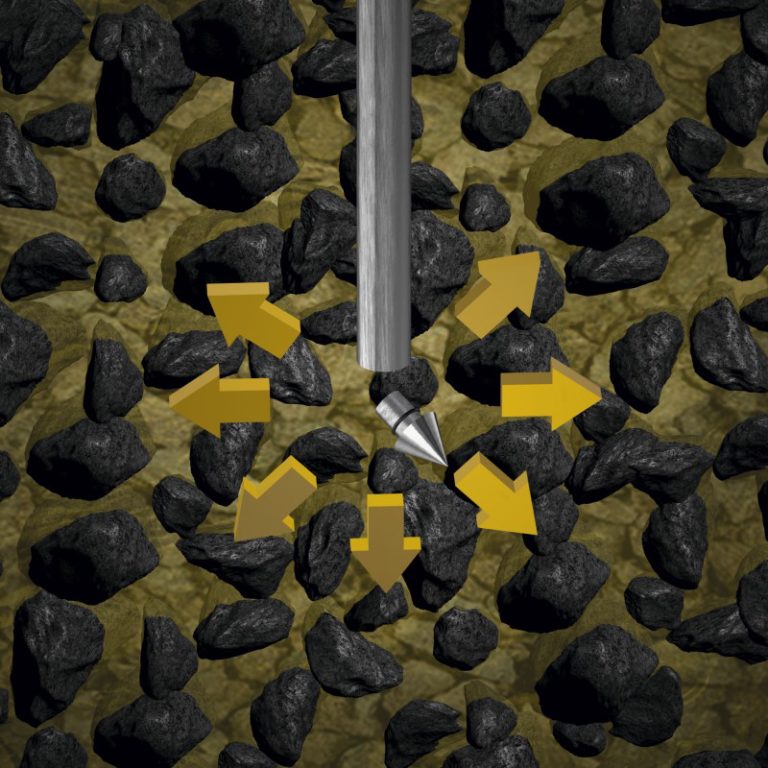
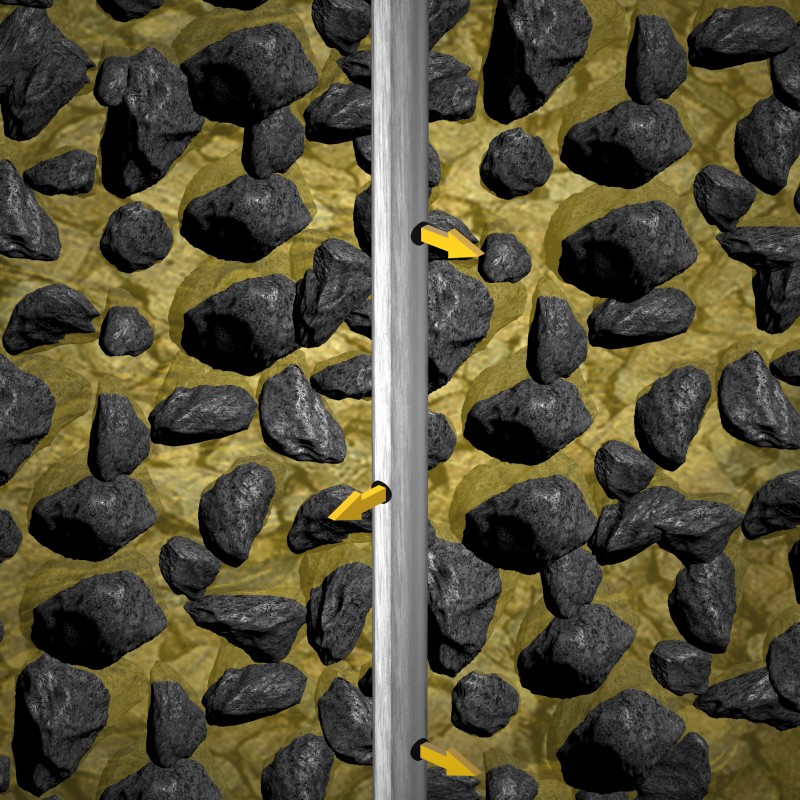
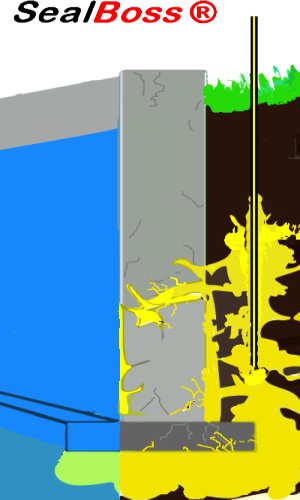
Pressure injection grouting in geotechnical applications involves injecting grout under pressure into strata of soil to strengthen the soil by compaction, adhesion and by filling voids, cavities, and fissures. This technique is commonly used for:

  • Foundation Stabilization: Strengthening the foundations of buildings and other structures
  • Soil Stabilization: Enhancing the load-bearing capacity of soil
  • Leakage and Erosion Control: Sealing leaks in soils and structures such as earthen dams
  • Void Filling: Filling cavities or voids in rocks or soil

The success of pressure grouting depends on the type of grout used, the injection pressure, and the specific site conditions.

PU Grout Systems for Pressure Grouting Applications

Chemical Grouts

polymer soil stabilization sealboss

Chemical grouts are fluid materials that transform into a solid or gel state after injection, providing exceptional sealing and strengthening properties. Key features of polyurethane  grouts include:

  • Versatility: Chemical grouts can be customized for various conditions, making them ideal for a wide range of applications
  • Penetration: Due to their low viscosity, chemical grouts can penetrate fine cracks and pores that other grouts might not reach
  • Rapid Setting: These grouts can set quickly, which is beneficial for time-sensitive applications 
  • Longevity: Once set, chemical grouts offer long-lasting stability and resistance to environmental factors

Applications of Polyurethane Grouts

  • Permeation Grouting: Used to improve the stability and load-bearing capacity of soils by filling the voids and pores within the soil matrix
  • Foundation Underpinning: Supports and stabilizes existing foundations by filling voids and compacting loose soil
  • Leak Sealing: Effective in sealing leaks in soil, such as around underground structures and pipelines
  • Void Filling: Quickly fills voids in soil, preventing settlement and ensuring stability

Injection Lances for Optimal Grout Delivery

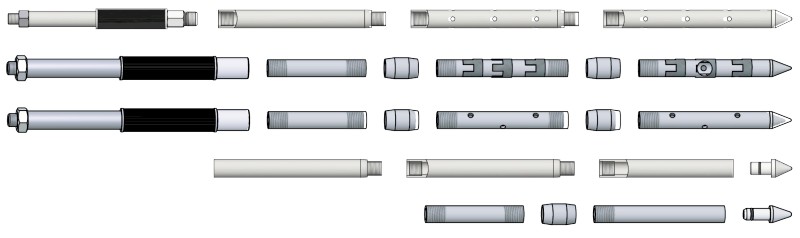
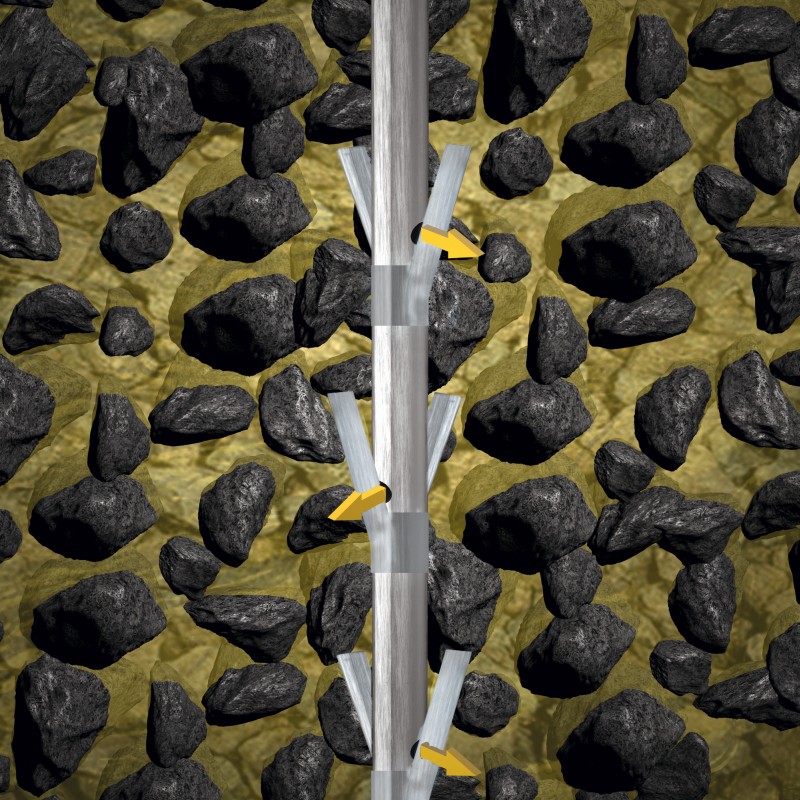
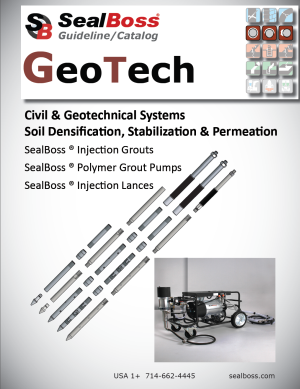
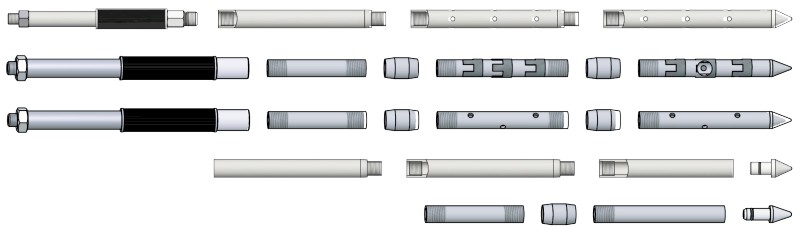
Permeation Grouting Injection Pipes, also known as Grout Injection Lances or Soil Lances, are designed to transport polyurethane grout deep into various soil types. At SealBoss, our injection lances come in distinct versions to provide the best possible grout delivery for different soil compositions.

SEALBOSS INJECTION LANCES

Advantages of Injection Lances

  • Ease of Use: Ram injection lances penetrate soil without the need for large equipment, making them user-friendly and efficient
  • Depth Control: Injection lances can be combined to reach specified injection depths, ensuring precise delivery of grout
  • Controlled Flow: The lack of a peripheral gap after installation permits controlled flow of injection grouts, enhancing effectiveness

Applications of Injection Lances

  • Lower Depth Applications: Ideal for penetrable soils at lower depths
  • Permeation Grouting: Effective for improving soil stability by ensuring even distribution of grout
  • Soil Stabilization: Enhances the stability of loose or sandy soils
  • Foundation Underpinning: Supports and stabilizes foundations by injecting grout at specific depths
  • Grout Curtain Injection: Creates barriers to control water flow in soil
  • Lifting Applications: Useful for lifting and stabilizing slabs and foundations
  • Industrial Foundation Stabilization: Stabilizes industrial machine foundations and slabs.

Choosing the Right Polyurethane Grout and Injection Method for Your Project

Soil stabilization in cold weather sealboss 
Selecting the appropriate polyurethane grout and injection method for your pressure grouting project depends on several factors, including the nature of the soil, the specific requirements of the project, and the environmental conditions. Using injection lances can enhance grout delivery, particularly in soil stabilization and permeation grouting applications.

Conclusion

Pressure grouting with polyurethane grouts, combined with the use of injection lances, offers a versatile and effective solution for soil stabilization and other related challenges. By understanding the unique properties and applications of polyurethane grouts and the advantages of injection lances, engineers and contractors can make informed decisions to ensure the stability and longevity of their projects.

At SealBoss, we provide high-quality grouting solutions and equipment tailored to meet the diverse needs of our clients. Whether you are dealing with foundation issues, soil stabilization, or leak sealing, our range of polyurethane grouts and injection lances can help you achieve optimal results.

For more information on our products and services contact our expert team today!

Related Links

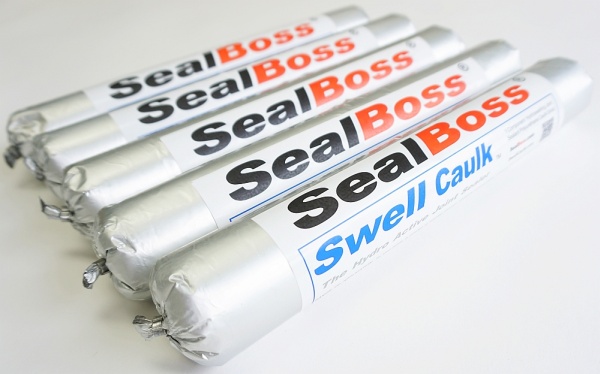
SEALBOSS-1510
SealBoss1510
SEALBOSS-1570-LV-SMALL
SealBoss1570
SEALBOSS-1570-LV-SMALL
SealBoss 1570LV
SEALBISS-15X-SMALL
SealBoss 15x
Grout Injection Lances
Contact Your SealBoss ® Technician

Polymer Soil Stabilization

The world of civil engineering is no stranger to the trials posed by unstable soils. From erosion and improper compaction to the effects of freeze-thaw cycles and the decomposition of organic materials, these factors can seriously compromise the structural integrity of any project. The result? Soils that shift and refuse to stay anchored, posing significant risks to structures and their foundations. For geotechnical engineers, the challenge has always been to find innovative solutions that not only reinforce the ground but also restore its ability to bear loads effectively.

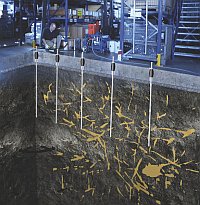
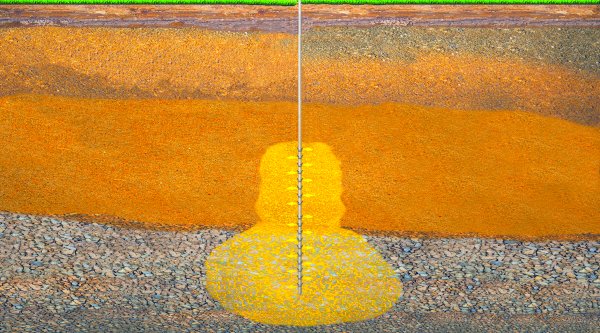
Polymer soil stabilization, a cutting-edge soil injection system turn the tables on unstable terrains. Soils that were loose and unmanageable are transformed into cohesive, fortified masses. How it works: Polymeric resins, with their unique properties, seep into porous soils, filling gaps and compacting even the most stubborn terrains. This not only halts the processes of subsidence and erosion but also prevents the migration of fine particles. SealBoss offers polymer soil stabilization solutions that meet the highest industry standards.

Polymer Soil Stabilization

A Modern Solution to Age-Old Challenges

The world of civil engineering is no stranger to the trials posed by unstable soils. From erosion and improper compaction to the effects of freeze-thaw cycles and the decomposition of organic materials, these factors can seriously compromise the structural integrity of any project. The result? Soils that shift and refuse to stay anchored, posing significant risks to structures and their foundations. For geotechnical engineers, the challenge has always been to find innovative solutions that not only reinforce the ground but also restore its ability to bear loads effectively.

Polymer soil stabilization, a cutting-edge soil injection system turn the tables on unstable terrains. Soils that were once loose and unmanageable are transformed into cohesive, fortified masses. How it works: Polymeric resins, with their unique properties, seep into porous soils, filling gaps and compacting even the most stubborn terrains. This not only halts the processes of subsidence and erosion but also prevents the migration of fine particles. SealBoss offers polymer soil stabilization solutions that meet the highest industry standards.

The Mechanics Behind Polymer Foam Stabilization:

  • Permeation and Matrix Formation: The polymers permeate through loose sediments, soils, and sands, binding them together into a cohesive matrix forming a solid structure.

  • Erosion Control and Water Displacement: By displacing water from areas affected by erosion, they prevent further deterioration of the soil.

  • Void Filling and Void Management: Polymers effectively fill spaces left by decomposed organic matter or resulting from inadequate soil compaction.

  • Strengthening and Adhesion: Their unique ability to adhere to soil particles ensures the creation of a fortified substrate.

Performance Highlights of Polymer Soil Stabilization:

Polymer soil and sand stabilization efficiently treats unstable soils and sands in-situ, eliminating the need for excavation. These polymers compact treat loose or unstable soils, enhancing their structural strength and offering long-term stabilization. By permeating loose sediments, displacing water from eroded areas, and filling voids, they create a fortified soil matrix that resists erosion and subsidence.  Additionally, NSF/ANSI/CAN 61 certification of the specific polymer foam resins ensures safety for potable water contact, emphasizing both their efficacy and environmental commitment. Geotechnical Engineers, kindly reach out to our technical team for detailed specification guidance and assistance.

Related Links:

SealBoss Stainless Steel Grout Injection Needles
Polymer Injection Needles

Stainless Steel Injection Needles

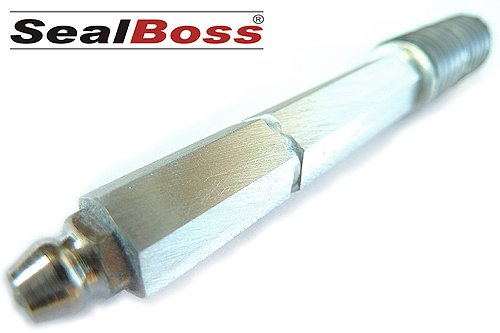
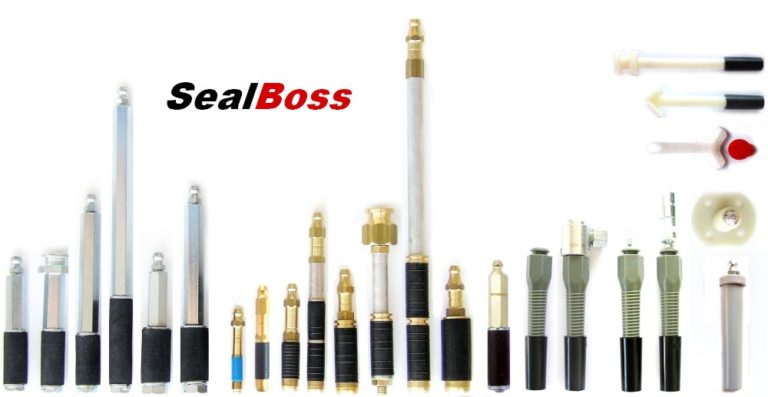
SealBoss Injection Needle for specialty grouting applications and product delivery into soil substrate, through small holes, Oakum Soakum Injection Technique and more. Suitable for PU, EP, Polyacrylate, and Silicate grouts.

Contact Your SealBoss ® Technician

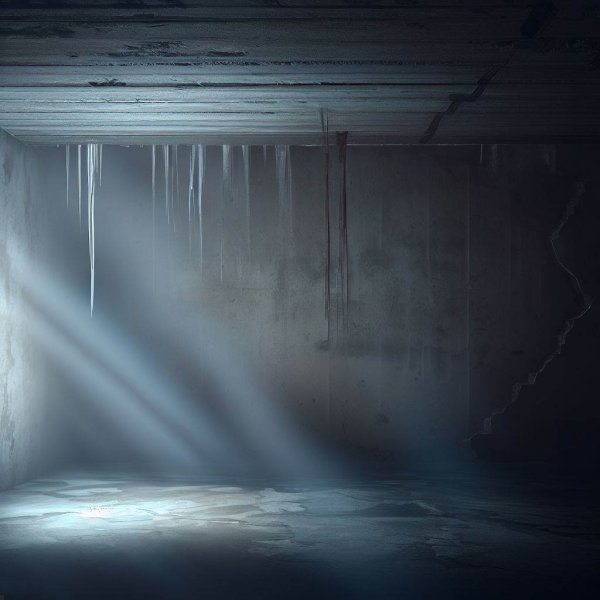
Soil Stabilization in Cold Weather

Soil Stabilization in Cold Weather

Best Practices and Tips

Solid Ground, Even When It’s Cold Around: Expert Tips for Soil Stabilization in Cold Weather

As the cold season approaches and temperatures begin to plummet, the challenges of soil stabilization in cold weather become more pronounced.

However, with the right precautions and techniques, it is entirely possible to achieve effective soil stabilization even in low temperature conditions. In this article, we provide some essential tips and best practices for soil stabilization with SealBoss 1570 / 1570 during the colder months.

Avoid Working in Frozen Ground
The primary consideration when thinking about soil stabilization in cold weather is the state of the ground. If the water table is frozen, it is a clear indicator that the soil is too. Frozen soil lacks the permeability required for the effective penetration of polymer resin into the soil soil. Attempting stabilization on such ground would not only be ineffective but also a waste of valuable materials. In such scenarios, it is advisable to wait for more favorable conditions.

Condition Your Equipment and Materials for Soil Stabilization in Cold Weather
Cold weather can significantly affect the performance of your SealBoss soil stabilization materials and equipment. To ensure optimal results:

  • Store in a Heated Environment: Materials and equipment should be stored in a heated environment overnight. For instance, SealBoss Polyurethane Grout should always be maintained above 60 degrees. Cold materials tend to react slower and increase in viscosity.

  • Drums and Smaller Pails: Drum band heaters and heated drum mats are excellent tools to ensure your product remains at the optimal temperature during winter soil stabilization applications. However, always exercise caution to avoid overheating the polymers. For applicators working with smaller pails, it is advisable to keep both materials and equipment in a heated, insulated space until they are needed. Portable heaters can help sustain a warm atmosphere, ensuring the materials remain at optimal temperatures. Additionally, consider using electric pail heaters, which are specifically designed to keep resins at their ideal temperature for application.

  •  Speeding Up Reaction Time:  In situations where the material reacts too slowly, incorporating a higher percentage of SealBoss 15X Accelerator can effectively accelerate the reaction time.

  • Heated and Unheated Pumping Equipment: For those utilizing advanced heated equipment, it is common for the machinery to maintain a temperature that’s approximately 35-45 degrees above the ambient external temperature. Many of the more robust foam pumps come standard with built-in electric heaters. If your pump lacks this heating feature, investing in an electric radiator heater can be a wise choice.

Conclusion
Cold weather doesn’t have to halt your soil stabilization efforts. By ensuring the ground is not frozen and properly conditioning your materials and equipment, you can achieve successful soil stabilization even in cold conditions. If you have any queries or need further assistance, feel free to reach out to us at 714-662-4445.

Contact Your SealBoss ® Technician

Soil Stabilization

Stabilizing Sandy Soils and Loose Soils with with Polyurethanes & Acrylates

Primarily Polyurethanes, but also acrylic polymers, have gained importance as soil stabilization products in sandy soils and loose soils of mixed composition.

When injected into the soil, low viscosity polyurethane grouts and supper low viscosity acrylates can improve the unconfined compressive strength, shear strength, and erosion resistance of soil mixtures that contain variable ratios of sand, silt and clay. 

Soil – Erosion and Soil Stabilization with Polyurethane Methods

Soil erosion, often caused by rainfall or other sources of water, is a common threat to engineering structures and landscapes.

Loose particles in predominantly sandy soils provide for low strength and cohesion with decreased resistance to erosion during rainfall or when in contact with any water source such as found along a shoreline.

Soil erosion leads to soil migration and loss of soil can lead to the settlement and cracking of structures and the development of sinkholes.

The erosion of loose and sandy soils can be compounded poor and insufficient soil compaction, affecting structures that are built on, and next to it. Soil erosion is a common threat to highways, roadways, railways, waste containment barriers, commercial buildings, as well as residential homes, driveways and pools.

As a counter measure to this type of erosion, injection of liquid agents such as polyurethanes and acrylates, can stabilize soils by utilizing their specific chemical and physical properties.

Chemical grouts permeate loose and sandy soils and act as a cohesive binding agent — providing structural stability by binding substances together — and locking soil particles in place. Once the grout cures, the injected soils turn into a solid mass with improved compressive strength, shear strength and, ultimately, improved erosion resistance and building foundation support strength. Chemical soil injection grouts can also be an option for areas, where  push pile piers, helical piers, and driven sheet piles are not an option.

Advantages of Soil Stabilization with Polyurethane Grouts:

  • Provide high strength and durability to the soil
  • Resistant to water and chemical erosion
  • Improves load-bearing capacity of the soil
  • NSF/ANSI Drinking Water Contact products available
  • Can be used in a wide range of soil types and conditions, including clay, silt, sand, and gravel
  • Low viscosity and easy to inject into the soil
  • Quick curing time
  • Can be applied in any weather condition
  • Minimal disruption to the site during the application process
  • Cost-effective solution for soil stabilization and void filling
  • Polyurethane foam can be used in a variety of soil stabilization applications, including slope stabilization, foundation repair, and road construction.

Soil Stabilization Polyurethanes and Acrylates, Equipment, and Pumps

  • Polyurethane
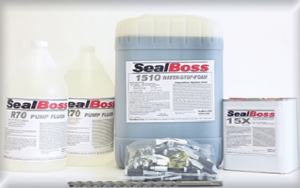
    SealBoss  1510 Polyurethane Injection Grout is a low viscosity permeation chemical grout for the stabilization of soils.  SealBoss 1510 is a single component, moisture activated, hydrophobic polyurethane soil grout suitable for stabilizing loose and sandy soils and to remediate sinkholes. NSF/ANSI 61 Certified and  Drinking Water Contact approved.

  • Acrylate
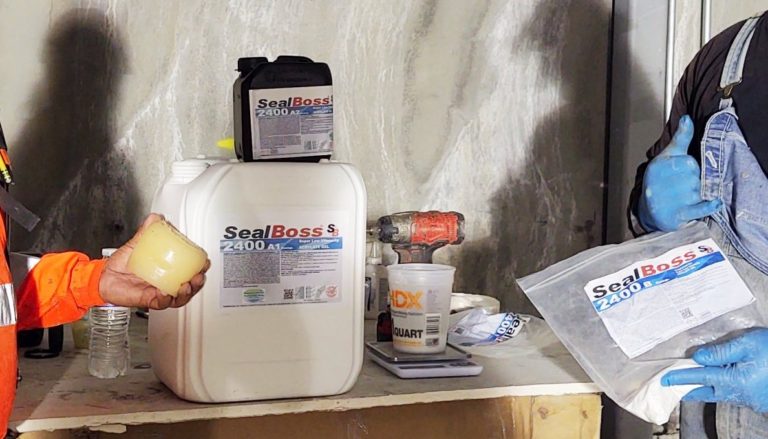
    SealBoss 2400SLV Acrylate Injection Grout Gel is a super low viscosity, two component hydrophilic poly acrylate gel with accelerator. The product offers outstanding penetration properties similar to plain water.

  • Injection Lances 
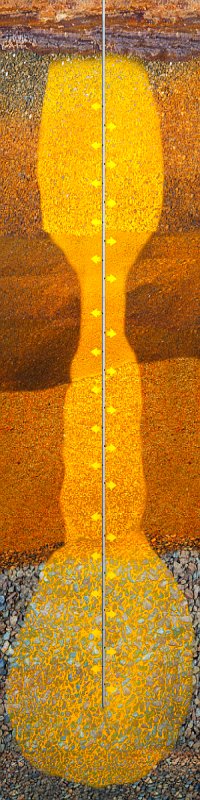
    SealBosss Grout Injection Lances are spaced and driven to the required depths required by the application. SB Injection Lances are of modular design and can be assembled to the desired length at the jobsite.
  • Injection Needles
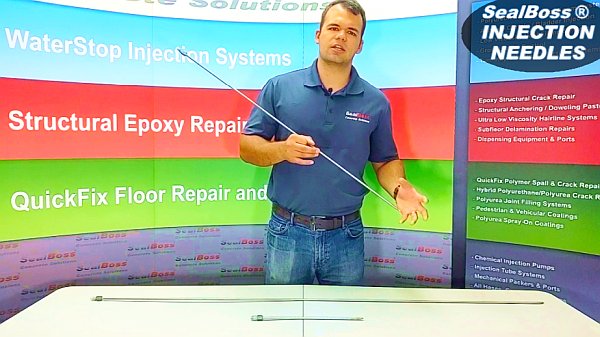
    SealBoss Injection Needles may be used for more shallow injection and in confined spaces.

  • Injection Pumps
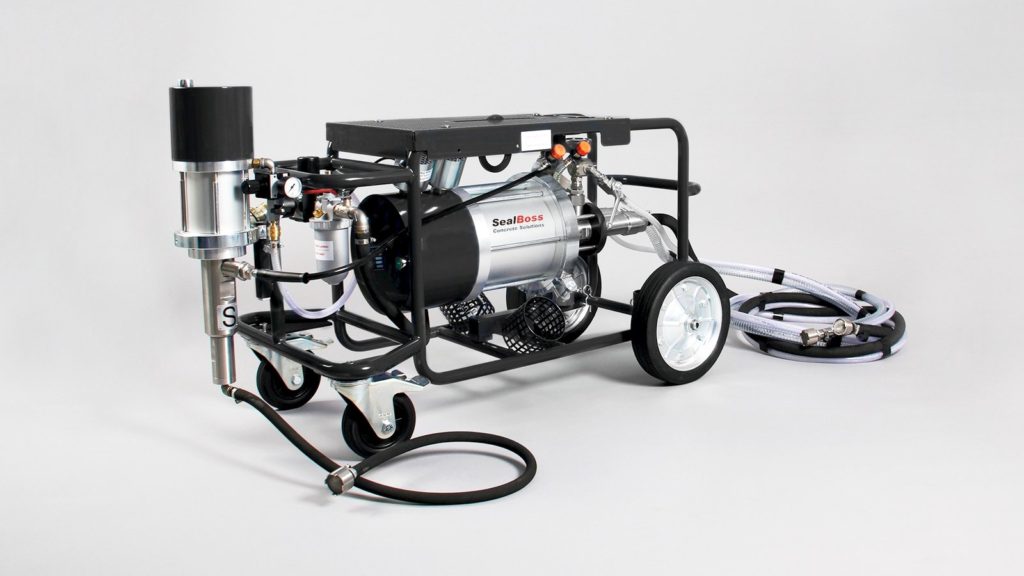
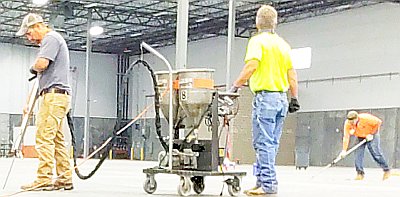
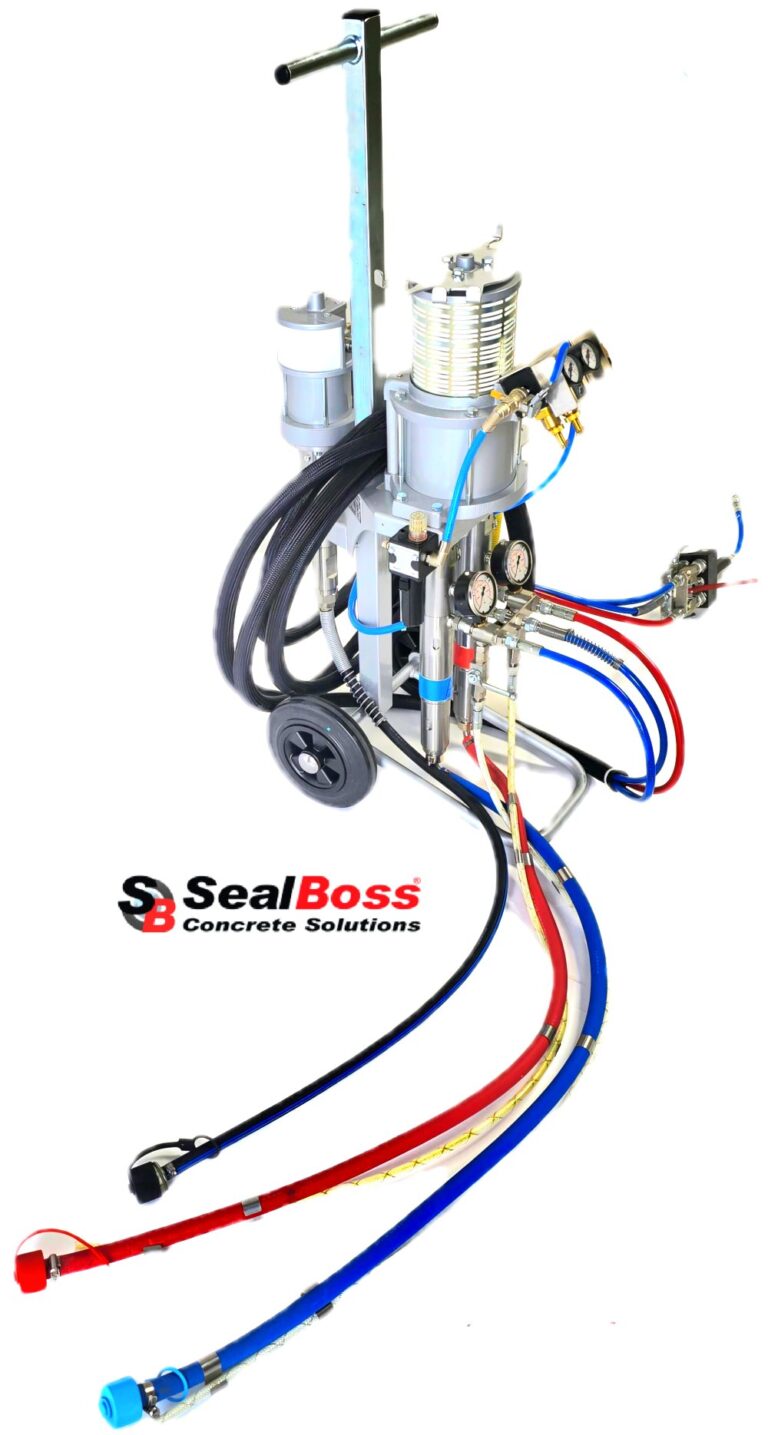
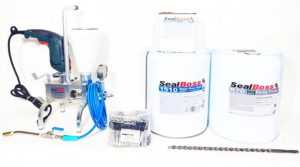
    SealBoss offers a variety of Injection Pumps suitable for small and large soil stabilization jobs. Approximately 0.5 to 1.5 gallons of product are injected into the sandy soils for every foot of depth (5  to 15 liters per meter of depth).

Soil Stabilization Related Articles


Learn More
Please don’t hesitate to call us at 714-662-4445 with any questions, or request to be contacted here, we look forward to helping you find a solution. On-site support from knowledgeable and experienced technical reps is available upon request.

Contact Your SealBoss ® Technician

Soil Consolidation Waterproofing Injection

Soil Consolidation & Waterproofing Injection

Soil Consolidation and Waterproofing Injection with Polyurethane Grout 

Soil consolidation is a process often employed for soil injection treatment in mining and tunneling projects, but its applications extend beyond these large-scale soil treatment scenarios. One method for achieving soil consolidation, stabilization, and waterproofing involves the use of injectable polyurethane grouts.

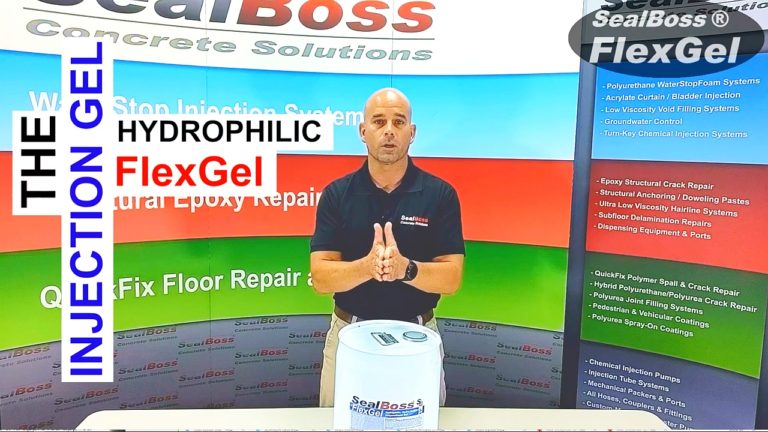
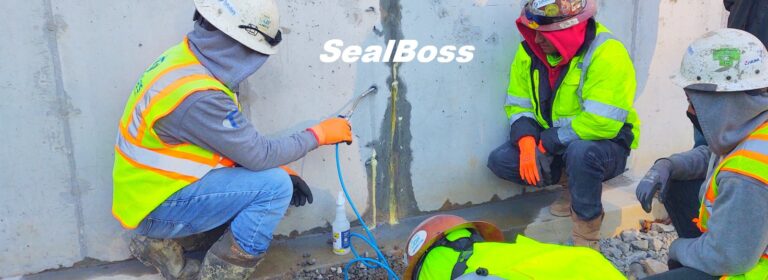
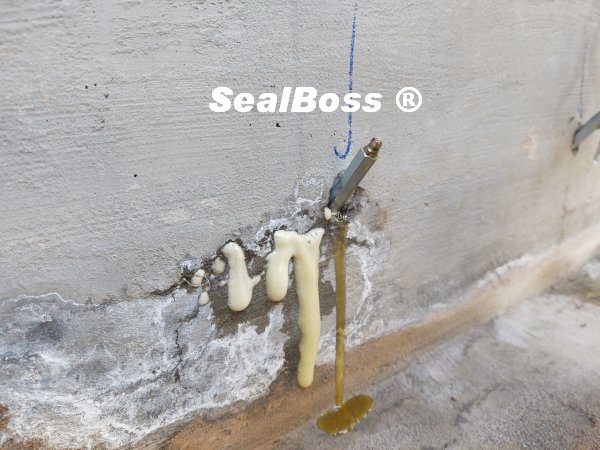
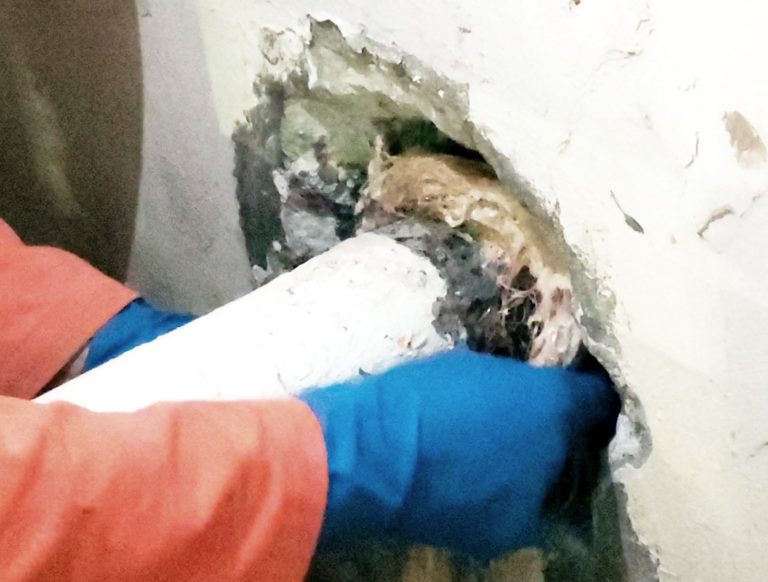
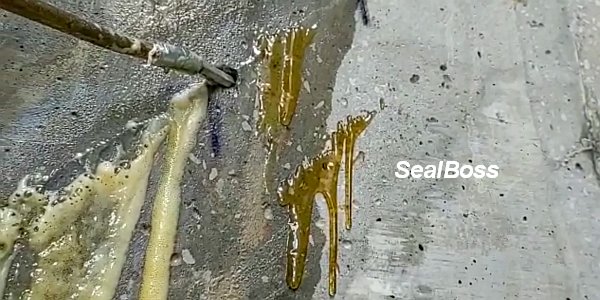
Polyurethane grout injection is particularly useful in cases where water migration must be halted and soil shifting needs to be prevented. In this specific jobsite application, we demonstrate the process of using SB FlexGel, a hydrophilic polyurethane injection gel, along with steel injection needles to halt water ingress into a structure through pipe penetrations.

In this specific jobsite application, we demonstrate the process of using SB FlexGel, a hydrophilic polyurethane injection gel, along with steel injection needles to halt water ingress into a structure through pipe penetrations.

Upon injection, FlexGel is a low-viscosity liquid, allowing it to easily migrate through voids, fissures, and cavities in rock structures and loose ground. As it cures, it forms an impermeable bond that consolidates the soil, stabilizes the ground, and creates a watertight seal between the pipe, soil, and structure — This dual function addresses both the soil consolidation and waterproofing aspects of the repair.

As another option, hydrophobic polyurethane grouts and foam grouts can also be employed for this type of application, offering alternative solutions depending on the specific conditions and requirements of the project. These materials can effectively seal off leaks and reinforce the surrounding structure, ensuring long-lasting protection against water infiltration.

Polyurethane injection resins are known for their strong adhesion to rock and soil particulates, and they remain firm and rigid after the expansion process is complete. These properties make polyurethane-based injection products ideal for a wide range of soil waterproofing, consolidation, and stabilization needs.

In this application, Steel Injection Needles are used to deliver the polyurethane grout into the soil at predetermined depths. These needles serve a similar purpose to the more complex and sophisticated Grout Injection Lances often used in large-scale projects. By employing this technique, structures can be protected from water ingress, soil can be stabilized, and long-term durability can be ensured.

Polyurethane Gel Injection for Sealing Pipe Penetration Leaks at a Nebraska Natural Gas Plant

A natural gas plant in Nebraska, responsible for pumping methane gas, experienced persistent water intrusion through multiple pipe penetrations. Previous attempts to patch these leaks from the inside of the structure (negative side) proved unsuccessful. Additionally, water infiltration was observed at the floor-to-wall cold joint.

Soil Consolidation Repair Procedure

Given the easy exterior access to the affected areas, the proposed solution involved soil consolidation and waterproofing injection around the gas pipe from the outside of the structure.

This technique employed SealBoss FlexGel and steel injection needles or lances. It aimed to create a comprehensive solution by waterproofing the soil surrounding the pipe and sealing any water-bearing voids, cracks, and fissures within and around the structure where the pipe penetration occurred. The injection pressure facilitated a secure seal between the pipe and any annular gap between the pipe and the surrounding concrete.

Performing the repair from the exterior minimized further structural damage to the concrete, as it eliminated the need for drilling additional holes and grid patterns.

These steps are typically required when executing soil and curtain injections from the negative side (inside) of a structure.

SealBoss FlexGel LV is a NSF-certified, low-viscosity, single-component hydrophilic polyurethane gel injection rubber and chemical injection grout. It boasts excellent penetration properties, superior strength, and durability. FlexGel was selected for its low viscosity and slower gel time, which allows the resin to infiltrate the substrate and consolidate and waterproof the soil behind the structure and the area surrounding the gas pipe penetrations.

Although FlexGel can be diluted with up to a 10:1 water-to-resin ratio, it was injected “neat” (undiluted) for this application. Using FlexGel neat is a common and approved practice for smaller-scale projects, as it circumvents the need for complex and costly multi-component injection equipment. Instead, simple single-component injection pumps can be used.

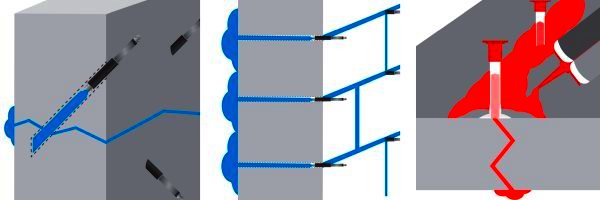
The pipe penetrations were identified on the negative side, marked on the structure’s exterior, and used to determine the injection plan based on the penetration spacing. Large pipe penetrations required a minimum of three injection points for full coverage. For pipes up to 6 inches in diameter, one lance was driven directly above the pipe down to a predetermined depth, based on the location of the penetration.

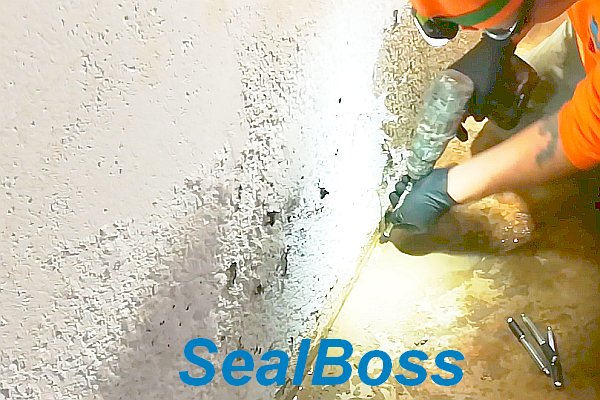
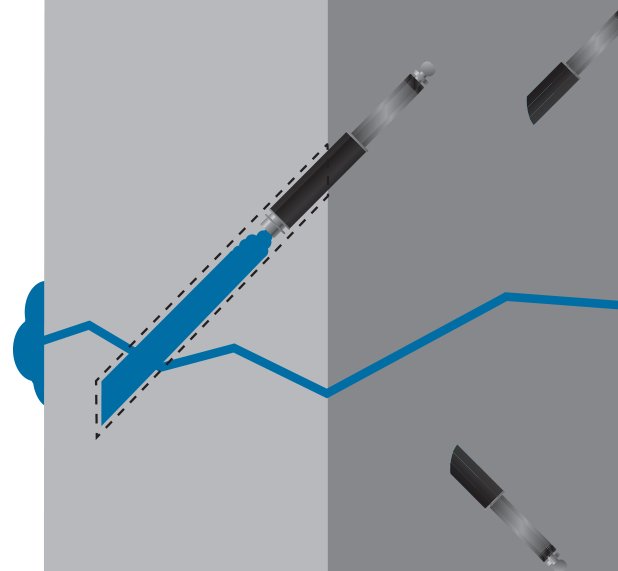
Steel injection needles or lances were installed using a hammer drill and driven to the desired depth. After positioning the lance, the bolt used to drive it was removed, and the applicator with a valve was installed.

For enhanced control of the injection needle/lance, the contractor fastened two vice grip pliers to the top. This enabled them to easily raise and lower the lances to the desired position.

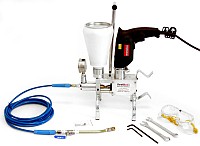
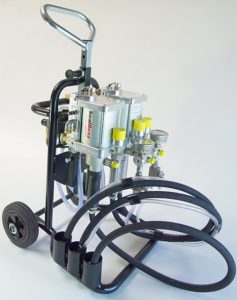
The SealBoss P2002 high-pressure injection pump was utilized to pump the material through the lances. The quantity of material used per lance was measured using the graduated hopper on the pump.

Each penetration was injected until material refusal was evident, either around the penetration or along the cold joint on the floor.

As the FlexGel reacted and expanded, it displaced air and water, causing bubbles to rise from the negative side of the structure. Throughout the injection process, the FlexGel polymer permeated the wall completely and cured. This demonstrated the effectiveness of the repair technique in sealing the pipe penetrations and mitigating water intrusion.

Quality Control

For leak detection and quality control purposes, the injection areas were flooded and saturated with water both before and after the injection repair. This was done to locate and confirm all leaks prior to the injection and to verify the successful sealing of the affected areas post-injection.

Should you have any questions about this soil consolidation waterproofing injection project or the materials used, please do not hesitate to contact us. We are here to assist in any way possible. Always remember to work safely by wearing eye protection and gloves when handling chemicals. We hope you found our review of the project outlined above informative and invite you to explore our website for a comprehensive range of waterproofing solutions for concrete structures.

SEALBOSS-FLEXGEL-SMALL
SB FlexGel
Drill Operated Crack Injection Pump SealBoss P2002
P 2002 Pump
SealBoss Stainless Steel Grout Injection Needles
Grout Injection Needles
Grout Injection Lances

Jobsite: Northern Natural Gas, Nebraska
Scope: Soil Consolidation Waterproofing Injection – Seal Pipe Penetrations
Materials Used: FlexGel
Additional Tools: Steel Injection Needle Lances, P2002 Injection Pump, Hammer Drill, Generator, PPEG

Contact Your SealBoss ® Technician
Popular Posts
More Posts
Archives
Categories
Scroll to Top