
Search

news | blog

Seawall Repair with Polyurethane Foams | Plural Component vs Single Component Foam

Seawall Repair with Polyurethane Foams
Plural Component vs Single Component Foam

Concrete Solutions Since 1988
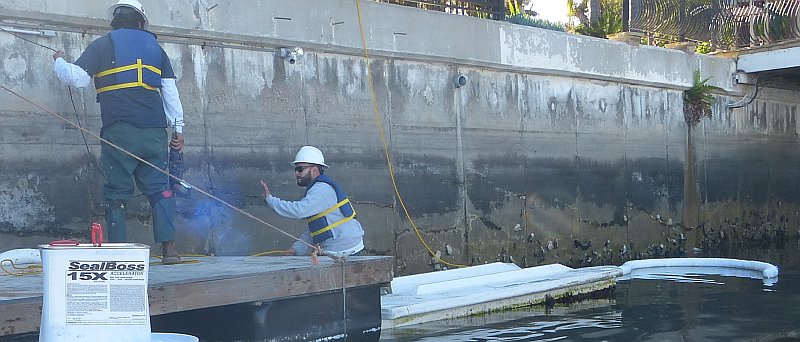
Seawall Repair with Polyurethane Foams - Plural Component vs Single Component Foam

This article contains an excerpt from the “SealBoss Concrete Solution Network Podcast – Seawall Repair | Bulkhead Repair | Erosion Control | Permeation Grouting”,  featuring Jerald Sargent of Slabjack Geotechnical.  Jerald has over 30 years of experience in the slabjacking and geo-technical industry. If you’d like to listen to the complete conversation, an audio version of the podcast is posted at the bottom of the article.

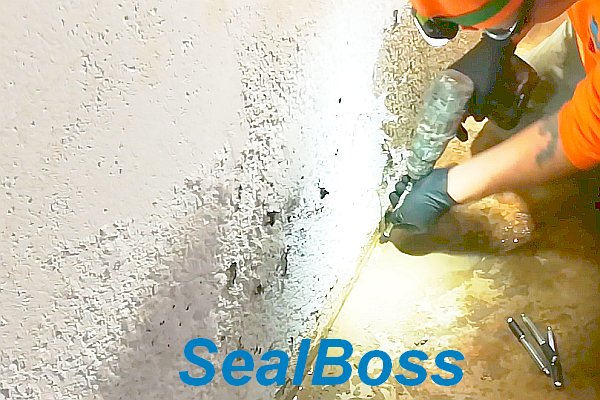
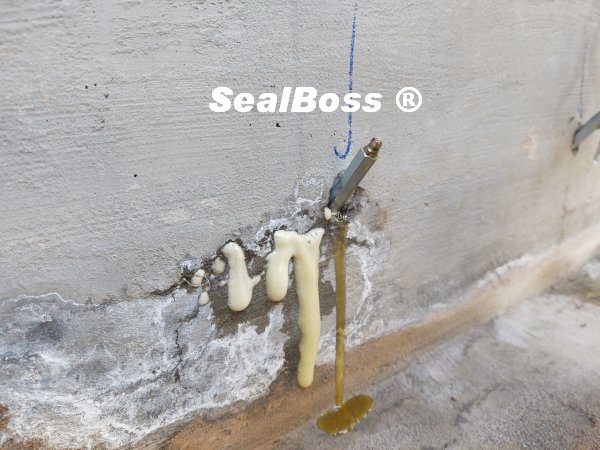
In this podcast we talk about the use of single and plural component foams for seawall repairs. 

Both foam types have their place in seawall repair but the contractor needs to have a good understanding of their respective characteristics and area of application.

Single component (accelerator activated) foams offer outstanding crack sealing and good soil penetrating, permeation and soil aggregate stabilizing properties.

Plural component foams are excellent void fillers, support and lifter foams, predominantly used for slabjacking and slab lifting.

Single Component Foams are Preferred for Soil Permeation and Soil Consolidation — Plural Component Foams are Good for Filling Voids in Certain Applications

In the following Jerald discusses the use and limitations of Plural Component Foam.

Jerald Sargent: …Sometimes plural components make a lot of sense… where there’s obvious gaps behind the wall or maybe in a you know in a big boulder type of Bulkhead where they just use big rock rather than poured concrete. So plural components are good for filling voids in there and helping to lock  [larger] aggregate together…

In most poured concrete walls we stay away from plural component simply because of the risks associated with it.

Going right along with that, one of the things that plural component is not appropriate for is injecting underneath the walls…

There’s virtually no permeation [into the soil] involved with plural component polyurethanes. It’ll [the soil] take up, it’ll absorb a little bit push through a little bit of that but it will not do it to the point where you have a solid structure built below the wall itself.

And I think that it is really important to understand the real limitation of the plural component polyurethane. And we use hundreds of thousands of pounds of a year in our slapjack in operation.

But it really isn’t appropriate in most cases to do a poured concrete wall [soil] stabilization.

To learn more about seawall repair and single and plural component foams you may want to listen to the podcast below.

Looking for a seawall repair contractor? – Call us at 714-662-4445.

Seawall Repair with Polyurethane Foam

A Concrete Solutions Network / Sealboss ® Production Podcast ©

A Conversation Between Two Industry Professionals
Episode 3

How To Podcast:
Seawall Repair | Bulkhead Repair | Erosion Control | Permeation Grouting
Podcast Details Here

Contact Your SealBoss ® Technician

Parking Garage Crack Injection | Leak Sealing Repair

Parking Garage Crack Injection

Structural and Leak Sealing Repairs

Introduction:

For effective and long term parking garage crack injection repair, the use of specific injection products for waterproofing and structural crack repair is pivotal.

For leak sealing, polyurethane foam resins, hydrophilic gels, and acrylate / acrylic gels are commonly employed. These resins, when injected, either react with water to form a foam that expands or create a gel product respectively, filling voids and sealing against further water ingress. This method not only prevents water penetration but also adds to the structural integrity of the parking facility.

On the other hand, for structural strength crack injection, epoxy resins are predominantly used. These resins are known for their high-strength bonding capabilities, effectively sealing cracks and restoring the concrete’s original strength. Epoxy resins are particularly advantageous in load bearing environments, providing strength and restoring the concrete’s structural integrity.

Both types of injection product groups are crucial in extending the lifespan of parking structures, ensuring they remain safe and functional for daily use.

Parking Garage Crack Injection Technology

For over three decades, SealBoss Crack Injection Systems have been at the forefront of providing effective solutions for structural repairs and sealing leaks in cracks and joints within parking garage structures. These systems have proven successful in not only preventing water ingress but also in preserving the integrity and functionality of parking facilities.

Parking Garage Crack Injection Leak Sealing Repair

Parking Garage Crack Injection Leak-Seal RepairInjection of concrete parking structure in St. Louis, Missouri using the SealBoss Water Stop System

How to Seal Leaks in Voids, Cracks, Joints, and Seal Around Beams

In a technical support role for a leading infrastructure repair company, the job often involves providing assistance to clients on a wide array of repair projects. These projects range across a diverse spectrum, including concrete repair, waterproofing, slab lifting, soil stabilization, and permeation grouting.

Recently, there was an instance of providing consultation to a contractor. The focus was on addressing water leaks by injecting materials into voids, cracks, joints, and beam pockets that had previously been treated with mastic grout.

The area where the leaks persisted were directly below the sidewalk where the concrete meets the asphalt driveway.  After inspecting the above ground conditions closely it was determined that the main source of the water intrusion were gutter downspouts. There were no drains installed to manage the directional flow of rainwater away from the structure.

Now that the source and path of water ingression had been established, polyurethane pressure injection of the affected areas was confirmed to be the correct solution to seal the leaks. 

The first areas that needed to be sealed were leaking beam pockets which had been previously filled with a mastic patch grout. Over a 30 year period there had been multiple previous attempts by various contractors to repair the leaking areas. No records were available on the various works that had been performed.

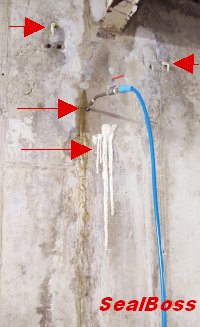
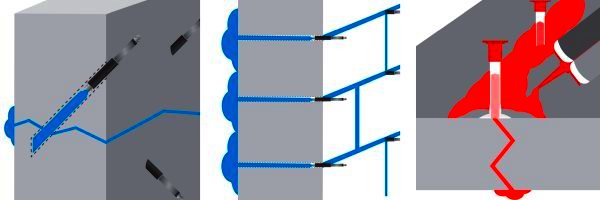
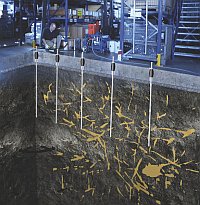
It was decided to inject through the wall to the back side of the structure to cut off any water before it could find its way into the beam pockets. This method combines void fill and permeation grouting as product is injected beyond the structure into a space that in this instance is confined by concrete / steel, asphalt and dirt. As the foam disperses under pressure injection and during expansion, it partially migrates / permeates also into the dirt further enhancing the ability to seal the void.

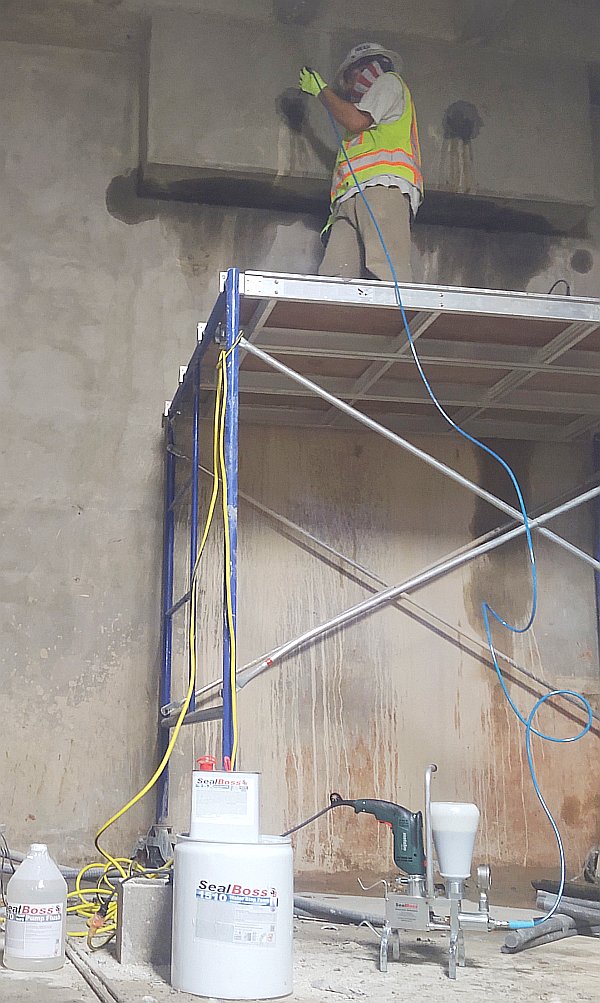
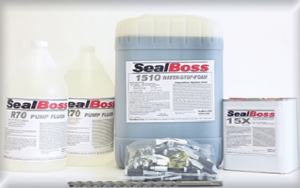
Using two strategically placed SealBoss Evolution 13-100 AL packers, the contractor injected 1510 Water Stop Foam, catalyzed with 10% 15x Accelerator,  at several intervals, permitting the resin to expand to a dense foam creating a seal and protecting the beam pocket from any water intrusion from behind the wall. 

The injection process was monitored from the inside and outside and the contractor stopped injection once air bubbles and water were observed coming up through the asphalt driveway. Expanding foam displaced water in the affected area. Injection was continued at a slow rate until water displacement  finished and increasing resistance indicated full penetration.

Next, the contractor injected all visible and leaking cracks some of which at one point had been injected with a structural / rigid epoxy which had failed. Reason of epoxy failure was determined as either lack of bond due to actively leaking cracks during epoxy injection and/or failure due to crack movement such as contraction and expansion. Polyurethane injection is the preferred method to address actively leaking and water bearing cracks, especially in areas where structural repairs are not necessary. The two foot thick wall was injected with 1510 leak-seal foam in intervals till the crack showed refusal of the resin.

Epoxy Versus Polyurethane Comparison – click here.

On-site support from knowledgeable and experienced technical reps is available upon request, I personally cover from North Dakota and Minnesota down through Texas.  Call us with any questions, we look forward to helping you find a solution.

Materials and Tools Used

Related Articles

Structural Parking Garage Repairs with High Strength Epoxy Resins

Learn More

Please don’t hesitate to call us at 714-662-4445 with any questions, or request to be contacted here, we look forward to helping you find a solution. On-site support from knowledgeable and experienced technical reps is available upon request.

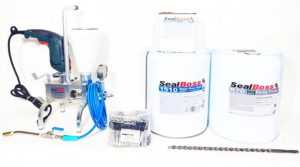
Check out our Leak Sealing Repair Kits.

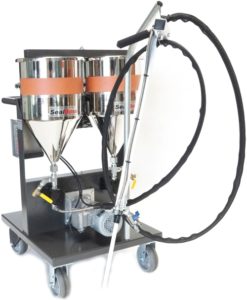
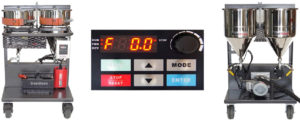
  • Polyurethane Grout Injection Pump
  • Polyurethane Foam Injection Pump
  • Easy To Use
  • Easy To Cean
  • Easy To Maintain
  • Modular, Compact &
  • Sturdy Design
  • Single Component
  • Electric Drill Operated
  • Heavy Duty For Daily Use
  • Pressure Gauge, Hose Set, Hopper Included
  • Recommended For Beginners & Injection Pros
  • > 5000 PSI Injection Pressure Possible
Contact Your SealBoss ® Technician

Aquarium Leak Sealing Repair

Aquarium Leak Sealing Repair

Marine Aquarium Repair & Training
NSF/ANSI 61 Certified Water Stop

Protect Aquatic Life

The Importance of NSF Approval for Aquarium Leak Sealing Repair

NSF (National Sanitation Foundation) drinking water contact certification is crucial for polyurethane grouts used in aquariums. NSF/ANSI 61-5 standards specifically address materials in contact with drinking water, requiring rigorous safety testing and quality assessments.

Manufacturers of NSF-approved products undergo thorough testing and facility inspections to ensure their products are safe when in contact with drinking water. This certification is vital for public aquariums, as it ensures the safety and quality of the water, protecting aquatic life and the well-being of marine organisms.

Aquarium Leak Repair System

SealBoss Leak Repair System Delivery to Texas and Field Service

A 68 foot-long acrylic window- the longest in North America – provides a clear view of the marine life. For those wishing to spend time in an extraordinary place, a promising unforgettable experience awaits.

The idea for the Texas State Aquarium was conceptualized by its founders early on to focus on the species in the Gulf of Mexico and the Caribbean Sea.

The Caribbean Journey doubles the size of the aquarium and provides homes to an exciting collection of sea and land creatures.

It is here that you can break into the mesmerizing secrets of the underwater and jungle world. Gather your courage and dive below the waves to get a closer look, but keep your eyes open and your wits about you, for you’re now in the home territory of the reef shark.

Aquarium Leak Sealing Repair Challenges

Product Compatibility and Durability

Public aquariums, rely heavily on the compatibility of materials used in their construction. maintenance, and repair. Polyurethane injection grouts, a popular choice for sealing water leaks, must harmonize with a variety of materials like acrylic, glass, and specialized sealants to maintain the integrity of these exhibits.

The relationship between the chemical grouts and existing construction materials is crucial for sustaining the meticulously crafted habitats. Skilled and well trained contractors play a vital role in this process, applying grouts with precision to protect the structures and achieve the set goals of the needed repairs.

The durability of polyurethane grout leak sealing materials is a critical factor for aquarium managers, influencing maintenance planning and resource allocation. These grouts offer long-lasting seals, reducing maintenance efforts and costs, and allowing for extended maintenance cycles. Product quality, ease of application and equipment reliabilty minimize exhibit downtime, important factors for public aquariums where visitor engagement and revenue are at stake. Seal longevity and reliable repair methods are a strategic element in maintaining the sustainability and uninterrupted operation of public aquariums.

Enhancing Aquarium Maintenance with SealBoss Leak Repair Solutions

SealBoss Aquarium Leak Repair Systems, Training, and Support

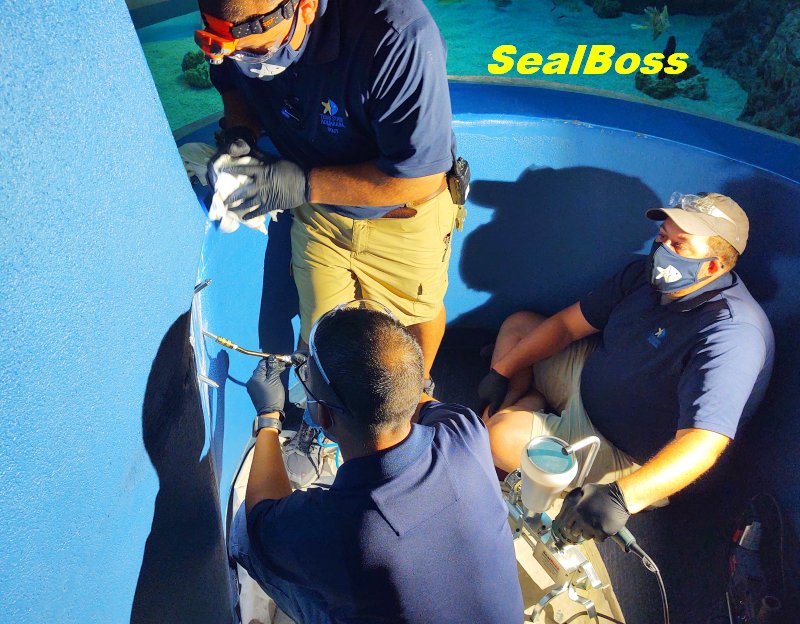
Recently, the SealBoss technical team made a significant impact at the State Aquarium in Corpus Christi by addressing persistent leaks in their large saltwater tanks. These leaks, which had previously eluded repair by other contractors, were successfully tackled by a SealBoss technician who provided hands-on training in leak-seal and water stop crack injection techniques.

Utilizing the NSF Drinking Water Contact Certified SealBoss Water Stop Foam and the P2002 Professional Injection Pump, the SealBoss expert equipped the aquarium’s maintenance team with the skills and knowledge needed for effective, ongoing leak management. This training ensures that the team can handle future leak-seal challenges confidently and efficiently.

SealBoss systems are designed not just for one-time fixes but for empowering maintenance crews with the tools and techniques for lasting leak prevention. The comprehensive range of SealBoss injection systems and Pro Kits offers professional-grade solutions, tailored to the unique needs of aquarium maintenance.

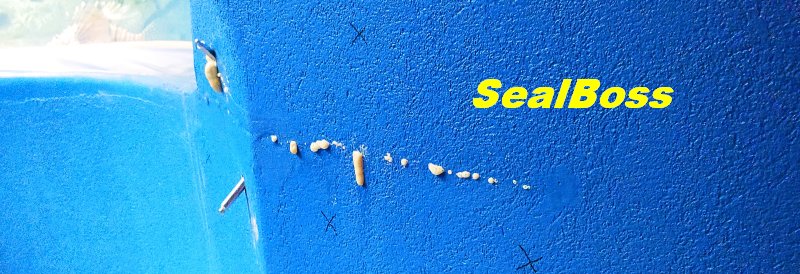
Identifying leaks in the aquarium is a straightforward process, thanks to the visible salt deposits that form from evaporated seawater. These deposits, a clear indicator of long-standing leaks, are especially noticeable in the State Aquarium due to its use of water from the Gulf of Mexico. The aquarium’s 6-inch thick acrylic glass and supporting concrete structures, prone to shrinkage and stress cracks over time, are typical areas where SealBoss training focused on.

The SealBoss  1, 2, 3, 45-Degree Injection Guideline was a key part of the training, teaching the team to effectively seal cracks and fissures. This technique, which involves staggered packer placement starting 6 inches from the crack center, proved highly effective under the specific conditions of the State Aquarium. The visible displacement of water and expulsion of chemical grout during the injection process was a clear sign of successful resin penetration, indicating a comprehensive seal of the cracks.

All areas were inspected for leaks and marked for injection. Some cold joints along the tank showed also signs of leaks, so preventative injections along cold/construction joints around the tank were advised.

In addition to addressing visible leaks, the SealBoss team advised preventative measures for potential leak sites, such as cold/construction joints around the tanks.

After the training session, the aquarium’s repair team was well-prepared to develop a comprehensive plan for managing both existing and potential future leaks.

Aquarium Leak Sealing Injection Foam - Sealboss

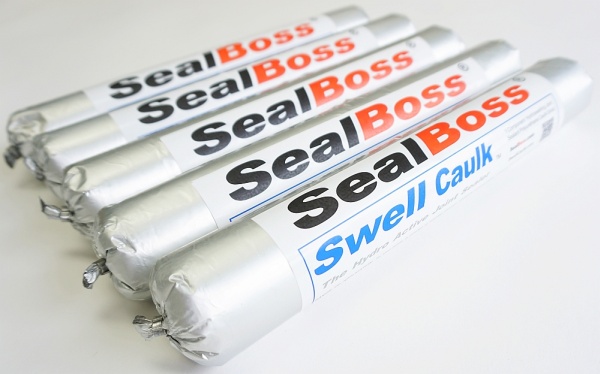
SealBoss also offers innovative Cold Joint Seal Systems for use during the construction phase, which can prevent leaks from occurring in the first place. Products like SealBoss Swell-Caulk and the SealBoss Inject-Tube System are ideal for creating watertight “pour-in-place” cold joints.

For anyone facing challenges with cracks or water leaks, SealBoss waterstop systems offer a reliable solution. Our representatives are always available for consultation and support at 714-662-4445.

SEALBOSS-1510
SealBoss1510
SEALBOSS-1570-LV-SMALL
SealBoss1570
SEALBOSS-1570-LV-SMALL
SealBoss 1570LV
SEALBOSS-FLEXGEL-SMALL
SealBoss FlexGel
SEALBISS-15X-SMALL
SealBoss 15x
Packer System
SEALBOSS-PUMPS-OVERVIEW
Pumps
  • Seawall Repair | Crack & Joint Leak Sealer | Soil Stabilization | Permeation Grouting
  • Defective Concrete (Cracked or Honeycombed)
  • Concrete Construction Joints & Cracks
  • Brick Construction, Geo Formations

SealBoss ® 1510 NSF Water Stop Foam Advantages:

  • Advanced NSF Formulation
  • Up to 40+ Times Expansion
  • SealBoss ® Product-Pump-Packer System Solution
  • Unregulated For Transport
  • Solvent Free MDI Technology

In Person and Video training is available upon request, contact SealBoss today to speak to your regional technical representative on our SealBoss full system solutions and offerings.

 ‘During on-site support and training, we create a positive learning environment to instill confidence and a level of comfort with the crew and applicators.

On-site training consists of an overview of SealBoss products and equipment and it’s features. This is followed by hands on training with actual injection of material until the applicator has gotten comfortable with the application techniques and nuances of the material used. Finally we focus on the correct cleaning procedure of the equipment.

From training new companies to new employees, SealBoss has continued to provide support to our users for 34 years and look forward to continuing this tradition in the years to come.

We won’t leave a jobsite till everyone is comfortable with the systems and can reteach the next person in line.

With a knowledgeable technical support team, we are here to help with any questions you may have’

The SealBoss Technical Team

Contact Your SealBoss ® Technician

Water Treatment Plant – Crack Leak Sealing Repair

Water Treatment Plant Leak Sealing Repair

NSF Drinking Water Certified Water Stop Foam - P2002 Pro-Kit

Rush Delivery and On the Job Training

This newer water treatment plant has the capacity to meet the needs of the growing city’s population and industrial demands. It utilizes state-of-the-art technology to reduce seasonal taste and odor issues, treats for sulfates from Devils Lake discharges, and meets regulatory requirements related to pharmaceuticals, pesticides and herbicides. Located in a harsh climate, the Treatment Plant is an all indoor facility with multiple basins for the various processes of treatment.
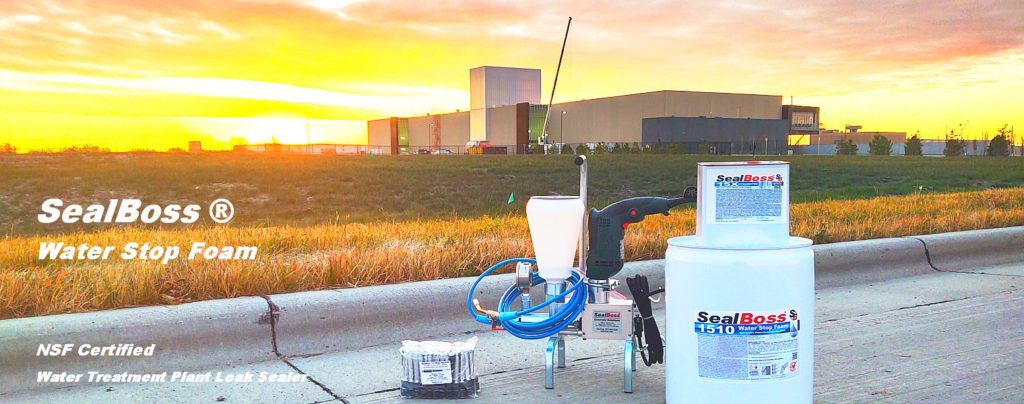

A SealBoss Technical made a rush delivery of a P2002 Pro-Kit and NSF Drinking Water Contact Certified SealBoss Water Stop Foam to the North Dakota Water Treatment Plant where previous attempts to mitigate various leaks through concrete cracks had failed. SealBoss provided intensive on the job crack injection training for the in-house maintenance and repair team to provide them with product and application knowledge to be able to inject and leak-seal any cracks within the facility successfully.

The chlorine basin had developed cracks and water with minimal solids had been leaking from the bottom of the basin on to the pumps and other mechanical components. Previously, the leaking cracks had been unsuccessfully addressed by a contractor with a undisclosed product and were found to be covered with an epoxy paste.

Prior to injection with SealBoss hydro active hydrophobic polyurethane foam the face of the concrete needed to be cleaned and stripped back to bare concrete. Some leaking areas had previously been injected by drilling directly into the crack (which is not a recommended procedure for this type of application)  and were left unfinished with some ports or parts thereof still in place. The old remaining ports needed to be removed and the old drill holes were quickly and temporarily plugged with SealBoss 3/8” Hammer-in ports.

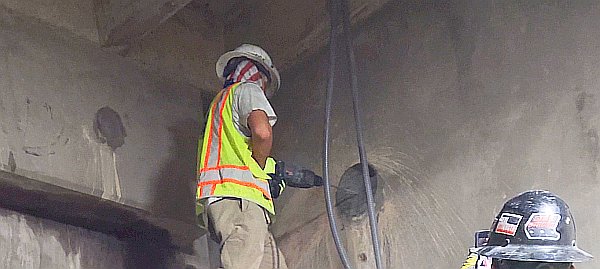
Once this was accomplished, new injection holes were drilled following the SealBoss 1, 2, 3, 45-Degree Injection Guidelines and starting roughly 6” from the center of the crack and placing packers in a staggered fashion. Under the job site conditions the SealBoss 45-Degree packer installation technique provided for much better product penetration and travel within the cracks and hairline fissures. Once all the holes were drilled the SealBoss Evolution 13-100AL aluminum packers were placed and the overhead injection began.

SealBoss NSF/ANSI 61 certified 1510 Water Stop Foam chemical grout is approved by the supervising  engineering firm for the crack and leak-seal repair on this project. The product was injected with the SealBoss P2002 high pressure single component injection pump system.

Within a short time the low viscosity SealBoss 1510 Foam was traveling through the cracks and began reacting. Refusal of the resin from the face of the crack was visible at distances far exceeding the next packer hole indicating very good penetration.

Utilizing the SealBoss 1, 2, 3, 45-Degree Injection Method with staggered packer placement, rather than drilling directly into the cracks, the low viscosity SealBoss 1510 chemical grout was able to travel much farther inside the cracks, hairline fissures and non-visible shrinkage cracks thus creating an immediate and permanent seal.

SealBoss provided intensive on-the-job crack injection training for the in-house maintenance and repair team and taught them all the product and application knowledge to be able to inject and leak-seal any cracks within the facility successfully.

fter several hours of on-site guidance, the facility’s repair team felt confident in devising a strategy to address the remaining cracks. They were also well-acquainted with the systems for anticipated future leak repairs.

"When called for on-site support and training, our goal is to foster a positive learning atmosphere. We aim to instill confidence and familiarity swiftly, ensuring seamless repairs long after my training concludes.

Since1988, SealBoss has been dedicated to training—from entire companies to individual employees. We are proud to carry forward this legacy of support.

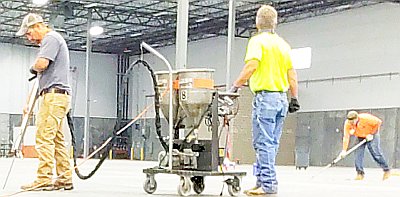
Our on-site training begins with a comprehensive overview of our products and an in-depth look at the pump's features. This is complemented by hands-on practice, where participants get to inject material until they're fully at ease with the application methods and the material's intricacies. We then shift our attention to the proper cleaning procedures for the equipment. We make it a point not to depart from a site until I'm certain that everyone is proficient with our systems and can pass on the knowledge to their peers.
Backed by an expert technical support team, we're always available to address any queries you might have."
SealBoss Technical Sales Team

SealBoss ® 1510 NSF Water Stop Foam for infiltrating water:

  • Seawall Repair | Crack & Joint Leak-Seal | Soil Stabilization | Permeation Grouting
  • Defective Concrete (Cracked or Honeycombed)
  • Concrete Construction Joints & Cracks
  • Brick Construction, Geo Formations

SealBoss ® 1510 NSF Water Stop Foam Advantages:

  • Advanced NSF Formulation
  • Up to 40+ Times Expansion
  • SealBoss ® Product-Pump-Packer System Solution
  • Unregulated For Transport
  • Solvent Free MDI Technology

In Person and Video training is available upon request, contact SealBoss today to speak to your regional technical representative on our SealBoss full system solutions and offerings.

Some of Our SealBoss ® P2002 Drill Operated Injection Pump Advantages

  • Polyurethane Grout Injection Pump
  • Polyurethane Foam Injection Pump
  • Easy To Use
  • Easy To Cean
  • Easy To Maintain
  • Modular, Compact &
  • Sturdy Design
  • Single Component
  • Electric Drill Operated
  • Heavy Duty For Daily Use
  • Pressure Gauge, Hose Set, Hopper Included
  • Recommended For Beginners & Injection Pros
  • > 5000 PSI Injection Pressure Possible

In Person and Video training is available upon request, contact SealBoss today to speak to your regional technical representative on our SealBoss full system solutions and offerings.

Tip: Listen to our ‘How To’ Podcast:

Leak Sealing Polyurethane Crack Injection in Concrete and Shotcrete Structures

Contact Your SealBoss ® Technician

SealBoss 1510 Water Stop Foam Customer Test

Watch the Video

SealBoss 1510 Water Stop Foam Customer Test

Brad of Pro Bond Systems Shares His Own Test of SealBoss 1510

– So we did two injections, we injected it with 1510 with 10% accelerator and we noticed that it worked perfect. 

How to Seal Grout Joints in Natural Boulder | Rock | Stone River Seawall

How to Seal Grout Joints
in
Natural Boulder | Rock | Stone River Seawall

Seawall Leak Repair with SB 1510 Injection Foam

Cold joint and crack injection of grout joints in Natural Boulder | Rock | Stone | River Seawall using the SealBoss 1510 Water Stop Foam – NSF Listed and Drinking Water System Component Approved injection System

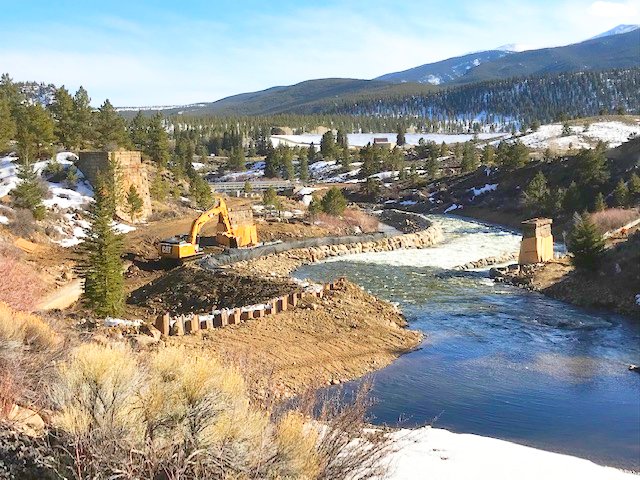
Location: Granite Boat Chute, Arkansas River, Colorado

Objective: To Seal Leaks and Repair Cracks in Seawall Grout Cold Joints

Cold joint and crack injection of grout joints in Natural Boulder, Rock, Stone, River Seawall

SealBoss 1510 Water Stop Foam – NSF Listed and Drinking Water System Component Approved injection System

Along the beautiful and pristine Arkansas river is the Granite Boat Chute. For the first time in more than half a century, rafters and boaters can float the Arkansas River from Leadville to Cañon City without disruption. 

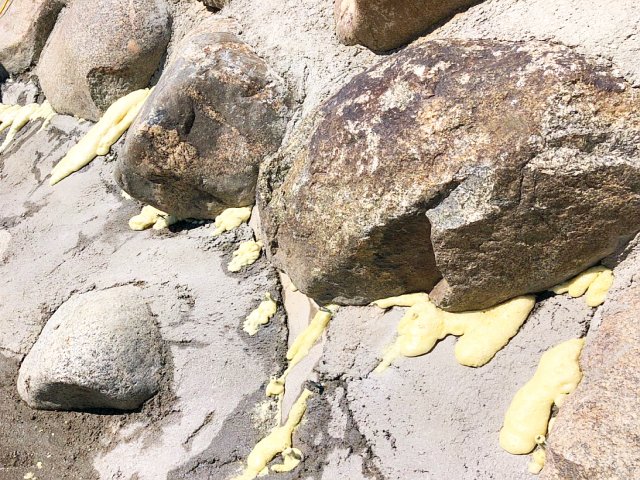
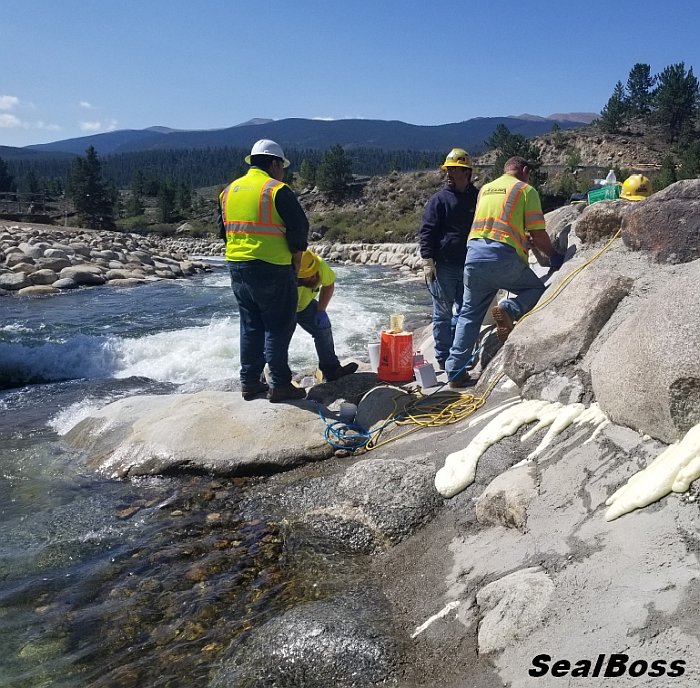
During a repair last season on the divider seawall and re-installation of a section of the boulder wall a cementitious grout was used to bond boulders together and to bond to existing boulders and existing grout. Over time some of the cold joints between the old grout and new grout started leaking. Leaks also developed at bond failures between the natural boulders and rocks, and the cementitious grout. Hairline cracks also developed to contribute to water seepage.

SealBoss 1510 NSF hydro active foam, an environmentally friendly product with NSF drinking water contact certification, was injected into the areas of bond failure to seal the boulder seawall from water intrusion and to prevent future water induced issues with freeze / thaw cycles that contribute to further damages and eventually could lead to blowing out the seawall.

Spacing of the packers was at an interval of 12” and the catalyst was initially at a 5% by volume to allow for travel down in to the areas between the stone to ensure a proper seal throughout the conglomeration.  Later the accelerator was increased to a 10% by volume to 1510 to foster a more rapid reaction and cure to fill in some of the remaining voids. 

In conclusion, this project outlines innovative solutions that can be employed to address natural wear and erosion challenges.

The use of SealBoss 1510 NSF hydro active foam showcases the potential of polyurethane foam technology in ensuring the longevity and safety of such structures. By addressing the cold joints, bond failures, and hairline cracks, the SealBoss system not only rectified the immediate issues but also fortified the seawall against future damages. 

SealBoss - Cold joint and crack injection Colorado
Granite Boat Chute | Arkansas River, Colorado
SealBoss ® Seawall - Cold joint and crack injection
SealBoss ® Seawall Repair | Cold Joint | Crack

SealBoss ® 1510 NSF Water Stop Foam for infiltrating water:

  • Seawall Repair | Crack & Joint Leak-Seal | Soil Stabilization | Permeation Grouting
  • Defective Concrete (Cracked or Honeycombed)
  • Concrete Construction Joints & Cracks
  • Brick Construction, Geo Formations

SealBoss ® 1510 NSF Water Stop Foam Advantages:

  • Advanced NSF Formulation
  • Up to 40+ Times Expansion
  • SealBoss ® Product-Pump-Packer System Solution
  • Unregulated For Transport
  • Solvent Free MDI Technology

For hands-on or virtual training sessions, please reach out to SealBoss. Our regional technical representatives are ready to guide you through our comprehensive SealBoss system solutions and offerings. Contact us today to schedule your personalized session.

Inquire more about the outstanding SealBoss 1510 NSF Drinking Water Contact Approved Injection Foam when you call us here at SealBoss. Your representative will be happy to help you out.

Leak-Seal Foam Grout
Water Stop Foam Grout
Hydrophobic Injection Foam Grout

Our #1 Selling Polyurethane Injection Foam
Water Cut-Off Injection Grout
Drinking Water Contact certified – NSF/ANSI 61 Section 5. 1510 PU Foam & Oakum Pipe Plug Kit

Contact Your SealBoss ® Technician

Chemical Grouting

Chemical Grouting

Understanding Chemical Grouting

Chemical grouting is a cutting-edge technique that has been gaining traction in various industries over the past decades, primarily for its prowess in addressing a myriad of structural, environmental, and geotechnical challenges. Often, these challenges are intertwined with issues of water migration or infiltration.

The Power of Polyurethane Chemical Grout

At the heart of this process are polyurethane chemical grouts, a potent polymer material that springs to life upon contact with water. This interaction activates the grout’s hydro-active properties, prompting it to expand and solidify. The result? A robust, watertight barrier and seal for concrete structures that can also be used to fortify loose, granular soils in geotechnical applications. Given its versatility, it’s no wonder that these grouts are the go-to solution for a diverse set of building structure and soil related repair scenarios.

Acrylate Gel Chemical Grouts: The Ultra Low Viscosity Solution

Then there’s the acrylate gel chemical grout, known for its exceptionally low viscosity. This characteristic allows it to seep into the tiniest of cracks and loose soils with remarkable efficiency. Once settled, it transforms into a flexible and resilient gel, making it a prime choice for some challenging water sealing and soil stabilization scenarios demanding the super low viscosity properties of the injection grout.

Your Quick Guide to Chemical Grouting

Chemical grouting is an innovative process employed across various industrial sectors to rectify or prevent a wide array of structural, environmental, and geotechnical issues, often – but not always – correlated with water migration or water infiltration.

Navigating the world of chemical grouting can be daunting, given the plethora of grouting agents on the market. However, a few stand out for their unparalleled efficacy and adaptability:

  • Water-Activated, Hydro-Active Polyurethane Chemical Grouts: These are your best bet for creating strong barriers or solidifying soils.

  • High-Strength Two-Component Water-Blown Polyurethanes: Known for their strength, they’re a reliable choice for demanding applications.

  • Super Low Viscosity Acrylate Gels: Ideal for situations requiring a fine touch, these gels are both effective and adaptable.

In essence, each of these grouting agents brings a unique set of benefits to the table, making them indispensable tools in the realm of chemical grouting.

Types of Chemical Grouting Polymers

In broad terms, there are Two Categories of polyurethane grouts:

  • Flexible polyurethane grouts: These grouts are often used to fill voids and cracks in the soil or structure, creating an impermeable, flexible seal that can withstand slight movements without cracking.

  • Rigid polyurethane grouts:Typically used for soil stabilization and lifting concrete slabs, these grouts solidify into a strong, durable material capable of bearing significant loads.

Applications of Polyurethane Chemical Grout

With its diverse properties, polyurethane chemical grout finds applications in a wide range of scenarios. Here are some of its most common applications:

Sealing and Waterproofing

Polyurethane chemical grout serves as an excellent waterproofing agent. It creates an impermeable barrier that prevents water infiltration, making it an ideal solution for:
  • Tunnel and Dam Sealing: Polyurethane grout is often used to seal leaks in tunnels and dams. 

  • Below Grade and Foundation Waterproofing: Polyurethane injection grout is used to effectively seal basements and foundations. The products are used for crack injection and curtain and stage grouting techniques to seal structures permanently.

Ground and Soil Stabilization

The grout is injected into the soil, where it expands, displacing loose soil and filling voids. It then solidifies, creating a stable, durable mass that strengthens the overall structure.

  • Seawall Repair: Polyurethane grouting is an effective solution for filling voids and stabilizing soil behind seawalls, reducing the risk of further washouts and damage to structures.

  • Permeation and Consolidation Grouting: It is also used to solidify loose, unconsolidated soils around structures and on slopes, thus preventing soil movement and erosion.

Concrete Lifting and Leveling

Rigid polyurethane grout can be used to lift and level concrete slabs, making it a popular choice for:

  • Roadway and Sidewalk Repair: The grout can be injected beneath the concrete to lift and realign sagging or uneven roadways and sidewalks. 

  • Building Foundation Leveling: Polyurethane grouting is also employed to level building foundations that have settled or shifted over time.

Applications of Acrylate Gel Chemical Grout

Acrylate gel grouts are widely utilized due to their exceptional flexibility and permeation characteristics. Here are some typical applications:

  • Curtain Grouting: Acrylate gel grouts can be used to create an impermeable barrier or “curtain” around tunnels, basements, or other structures, preventing water ingress. Acrylate gel grouts are ideal for sealing fine cracks in concrete and other structures, thanks to their super low viscosity and flexibility.

  • Soil Stabilization and Permeation: Similar to polyurethane grouts, acrylate gels can be used to solidify loose soils, enhancing stability.

Applications of Epoxy Chemical Grout

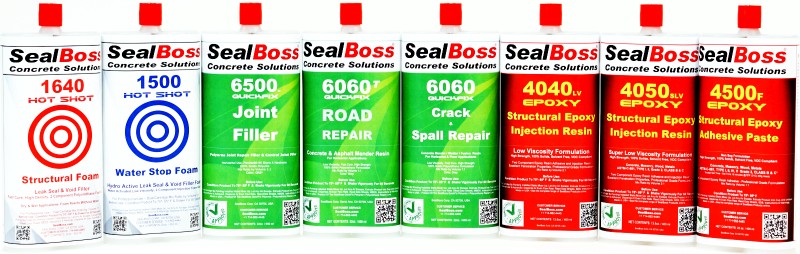
  • Epoxy resins are renowned for their exceptional compressive and tensile strength properties, making them a go-to choice for structural repairs. For a more comprehensive understanding of the benefits of epoxy products and to explore a selection from the SealBoss Epoxy System Product Line, please follow this link.

Leading Chemical Grout Products

There are several exceptional polyurethane grouting and acrylate gel products available on the market today, each offering unique features to address specific needs. From the robust line of SealBoss Corp., find below a selection of some standout products:

Leak-Seal Foam Grout
Water Stop Foam Grout
Hydrophobic Injection Foam Grout

Our #1 Selling Polyurethane Injection Foam
Water Cut-Off Injection Grout

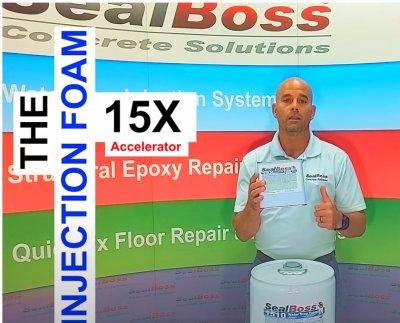
Semi-Flex Foam, Water-Activated chemical injection grout. Our most versatile product. Water activated hydrophobic polyurethane foam, expands up to 30-40 times.
Leak-Seal Foam Grout
Water Stop Foam Grout
Hydrophobic Injection Foam

Flexible Polyurethane Injection Foam

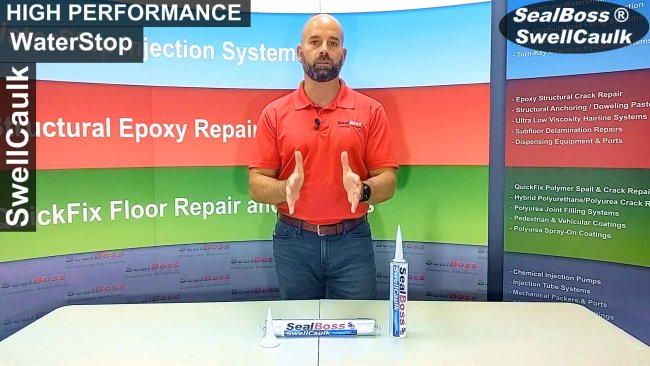
Flexible Foam, Water-Activated chemical grout. 

Leak-Seal Foam Grout
Water Stop Foam Grout
Hydrophobic Injection Foam

Super Low Viscosity Polyurethane Injection Foam,
Water-Activated chemical grout. Drinking Water

Versatile Hydrophilic Polyurethane Foam-Gel

Water activated single component hydrophilic Polyurethane grout. Reacts to a foam with 1 to 3 parts of water added and to a very flexible gel with 4 to 15 parts of water added (by volume). Drinking Water Contact meets NSF/ANSI 61 Section 5 requirements.

Rigid, High Strength, SlabLifter & Void Fill Foam

Two component polyurethane foam with structural qualities to stabilize, lift and cut-off water. Fast reactive formula to gain strength within minutes. 

– Commercial Bulk Packaging
– Cartridge System

SUPER LOW VISCOSITY
Poly Acrylate Chemcial Grout Gel

Hydrophilic poly-acrylate gel / acryclic gel for soil stabilization, curtain-injection, infusion bladder injection into structures and to seal degrading masonry grout.

STRUCTURAL REPAIR INJECTION
Epoxy Systems

Super low viscosity and low viscosity, 100% solids, hi-mod, 2-component, moisture-tolerant,high strength, multi purpose, epoxy injection resin adhesives.

Contact Your SealBoss ® Technician

Seal Leaks with Oakum

Seal Leaks with Oakum

What is Oakum Soakum?

For Best Results, Soak the Oakum.
 – Oakum Soakum –

sealboss-seal-oakum-rope

The Benefits of using the Oakum Seal Method

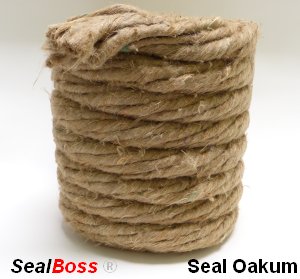
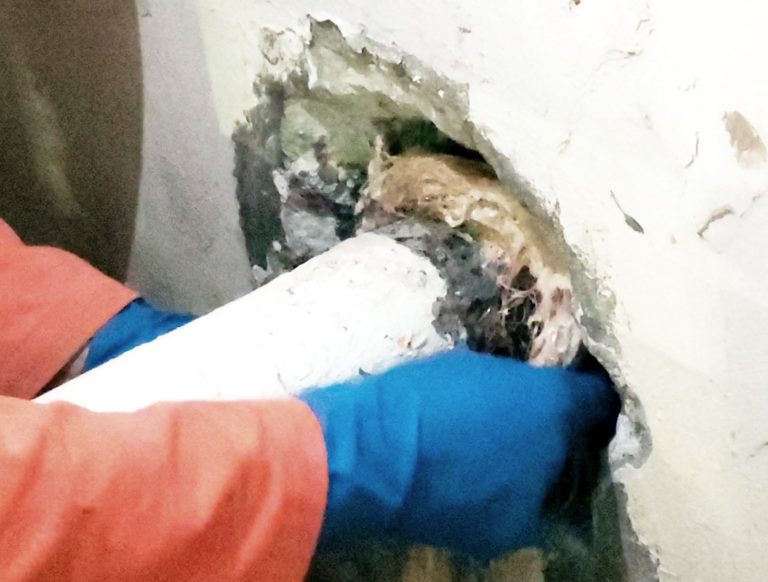
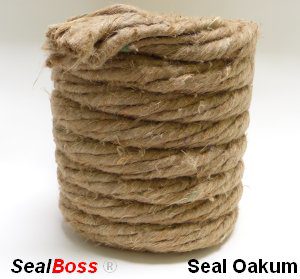
Seal Oakum is an untreated, strong, dry and oil free jute based fiber capable of absorbing copious amounts of SealBoss chemical grouts. Resin impregnated Seal Oakum reacts with water and expands to form a dense and flexible seal. It offers major benefits for many leak sealing jobs by keeping injection resin in place and prevent it from escaping and leaking during the injection process and prior to cure. With soaked oakum you can create a physical barrier to prevent active water infiltration in larger openings, irregular cracks and joints.

Oakum is mainly used as a carrier medium for hydro active foam resins for use in wide openings to seal leaks. It is used to slow down massive water flow to permit the injection foam to cure. For this application Seal Oakum is soaked in SealBoss foam grout leak-seal resin and the saturated product packed into actively leaking cracks and joints as a compression seal. ‘Oakum Soakum’ is an industry known term for the technique. Prior to use inspect area for loose concrete and remove any contamination to prepare for insertion of the fiber into the desired location.

Can I use un-soaked, dry Seal Oakum?

Seal Oakum also works well dry when driven into cracks as a temporary seal to allow injected resin time to cure without washing out.

Seal Oakum is cut to length and sold in ready-to-use sets 

How to and Where to use Seal Oakum

  • For Use With SealBoss Hydro Active PU Water Stop Foam Injection Grouts – Oakum Soakum Technique
  • Create Joint Gaskets or Use in Combination with Gaskets in Sewer & Storm Drain Lines, Ducts
  • Wastewater Treatment Plants
  • Reservoirs & Water Tanks
  • Service Manholes
  • Tunnels & Underground Cable Trenches
  • Pipe Penetrations,
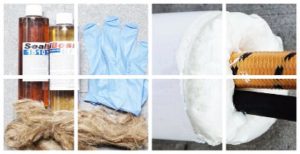
  • SealBoss Seal Pipe Kit

How to Seal Gushing Leaks and Wide Cracks with Seal Oakum

  • Use gloves and protective gear during the oakum soakum application process
  • It is recommended to drill packer holes and set packers prior to oakum use. 
  • One, or several relief holes may divert water pressure during the oakum placement
  • Clean the surfaces to which the oakum will be applied
  • Place oakum in a container and saturate with SealBoss Water Stop Foam
  • Remove excess resin from the oakum
  • For minor leaks or dry cracks or joints dip the resin soaked oakum into a pail of water to begin the reaction process and expansion
  • Pack oakum into the joint or crack with a large screwdriver or any tool suitable for the task
  • In cases of severe water pressure you may want to use a wooden board or other suitable product to mechanically support the applied oakum from being pushed out
  • Injection should be performed through preinstalled packers. If advised, a SealBoss Injection Needle may be used to inject grout directly through the oakum.

Sealing Pipe Penetrations with Seal Oakum

To seal pipe penetrations, resin saturated oakum can be sprayed with water or dropped into a pail of water to start the activation process.  The reactive oakum is now packed into joints and around leaky pipe penetrations where it creates a watertight seal between the outside of the pipe and the wall of the structure.

Used dry, oakum fibers can be packed into wider cracks and joints to retain injected SealBoss polyurethane resin.

Installation Guidelines

Submerge SealBoss 1500 Seal Oakum into activated foam resin. When removing from container, wipe off excess material. If necessary, wet joints or voids with water to prime surface for saturated SealBoss® 1500 Seal Oakum.

To seal minor leaks, dip saturated SealBoss Seal Oakum into water to start reaction.

Place saturated SealBoss Seal Oakum in the joint or void. You may also spray saturated oakum surface with water to speed up the cure process. Cut excess product from substrate surface after cure.

Contact Your SealBoss ® Technician

Sealing Pipe Penetrations in Foundation Wall

Sealing Pipe Penetrations in Foundation Wall

sealing pipe penetrations in foundation wall
Football Team Field House
SealBoss PUR Grout Injection

Sealing Pipe Penetrations in Foundation Wall with Chemical Grout Injection


Location: Sam Houston State University – Huntsville, TX

Project Spotlight: Sam Houston State University Football Field House Renovation

Background:
Sam Houston State University embarked on an ambitious renovation project for its football team’s Field House and Locker Room.

Scope of Work:
The renovation involved the addition of masonry walls and the sealing of old Pipe Penetrations. Contractors were instructed to remove the existing pipe penetrations, seal them with a grout patch, and subsequently drill a ½” hole through the patch. An injection was then carried out behind the grout patch, ensuring a watertight seal, as outlined by the project engineer.

Expertise in Action:
The project contractor enlisted SealBoss to provide hands-on technical guidance for the specified injection process.

Additional Training:
Beyond the specified injection process, the contractor was also trained in alternative repair techniques. This included using SwellCaulk and Oakum to effectively seal off the pipe penetrations.

This collaborative approach and training ensured the project’s success while also expanding the contractor’s repertoire of repair methods.

Sealing Pipe Penetrations in Foundation Wall  – Specified Repair Procedure

After ensuring the grout patch was fully set, the contractor drilled a ½” hole directly through its center. Debris from the hole was carefully vacuumed out, and the hole was subsequently flushed using a specially modified water bottle, ensuring a clean, pressured stream. Once thoroughly cleaned, the ½” SealBoss Evolution 13-100AL injection packer was fitted in place.

Utilizing the SealBoss P2002 pump, the SealBoss 1510 Water Stop Foam System was pressure-injected into the void behind the grout patch. This process guaranteed an air and watertight seal, preventing any water seepage through the patch.

Chemical Grouting Products Used

Choosing the Right Product

No one-size-fits-all resin exists. To ensure the highest quality results and adherence to specified standards, the right resin choice is pivotal.

SealBoss offers a suite of chemical grouting injection systems tailored for various challenges encountered in geotechnical projects, tunneling, underground waterproofing, and broad-spectrum civil engineering tasks.

Find additional chemical grouting information here:


Sealing Pipe Penetrations in Foundation Wall? Call Your SealBoss Repair Specialist

If you have any questions on chemical injection grouting or any related applications, please contact our team of qualified SealBoss grouting repair representatives to schedule an on site consultation & full systems training. Call us at 714-662-4445.

Contact Your SealBoss ® Technician

Sealing Manholes with the SealBoss System

Repairing Leaks in Concrete and Composite Manholes with SealBoss Injection Grout Systems

Concrete manholes have a been a part of the standard sewer infrastructure for decades, composite and fiberglass manholes are an increasingly popular alternative due to their outstanding resistance to many chemicals and sewer gases.

All manholes, no matter of their composition or design, have penetrations and joints which are susceptible to water infiltration.

Injection Repair Grouts for Sealing Manholes 

  • SealBoss 1510 – Original Water Stop Foam – MDI based hydrophobic one component polyurethane grout
    It is a gold standard for water stop and leak seal injection product. 1510 is very well suited for sealing manholes with slow and fast moving bodies of water infiltration. The product is activated and controlled with SealBoss 15X Accelerator. ANSI/NSF Drinking Water Contact Certified.

  • SealBoss  1570 – Flexible Water Stop Foam – MDI based hydrophobic one component polyurethane grout
    Extra flexible injection foam for water stop and leak seal injection. The product is activated and controlled with SealBoss 15X Accelerator. ANSI/NSF Drinking Water Contact Certified.
  • SealBoss FlexGel – MDI based hydrophilic one component flexible polyurethane grout
    Flexgel is used for curtain/bladder soil injection located behind leaking structures, to seal cracks and joins. The highly flexible SealBoss ® FlexGel works very well in wet and moving cracks as it works as a flexible bridge between substrates. Depending on the water amount incorporated during reaction the product either forms a flexible foam or a gel. ANSI/NSF Drinking Water Contact Certified.

To fill leaking manhole joints the contractor can soak the Polyurethane grout in SealBoss ® SealOakum to fix the leaking manhole joints. It is also possible to use an open cell backer rod as a medium to soak the product. 

These types of municipal jobs can be of large scale and very profitable for the contractor. The SealBoss ® Team is here to assist you, call us now at 714-662-4445.

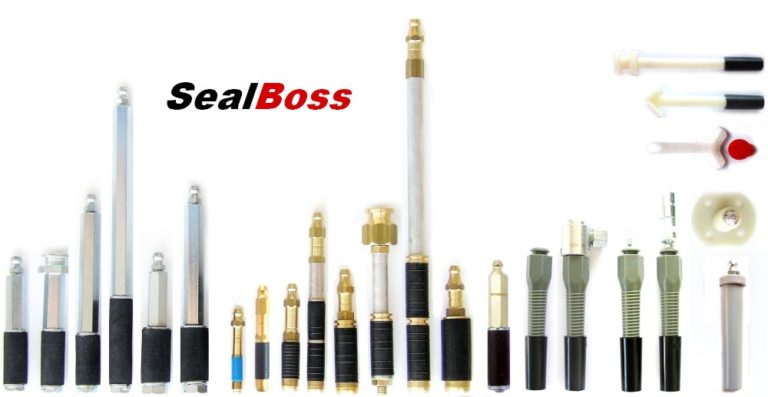
We supply a complete system to suit your exact injection and waterproofing needs, including a very large packer selection, professional pumps and a comprehensive line of construction chemicals.

See our article  “How to Stop Water Inflow & Infiltration — I & I – Repair”

Contact Your SealBoss ® Technician
Popular Posts
More Posts
Archives
Categories
Scroll to Top