
How to Seal Leaks and Repair Cracks in Shotcrete – The Challenge
Leaks and Cracks in Decorative Shotcrete
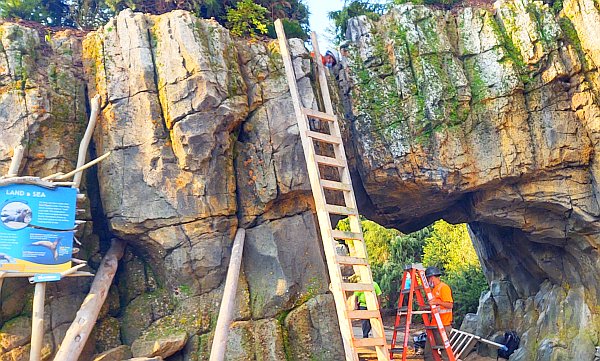
The Omaha Zoo faced a significant challenge when a decorative shotcrete structure, an integral part of the zoo’s aesthetic appeal, began showing signs of deterioration.
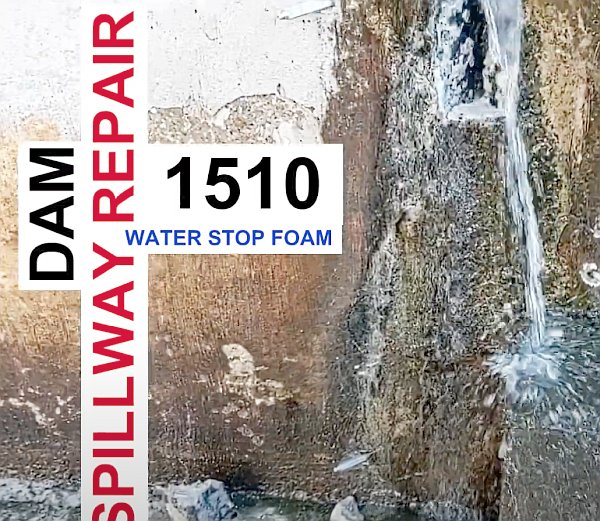
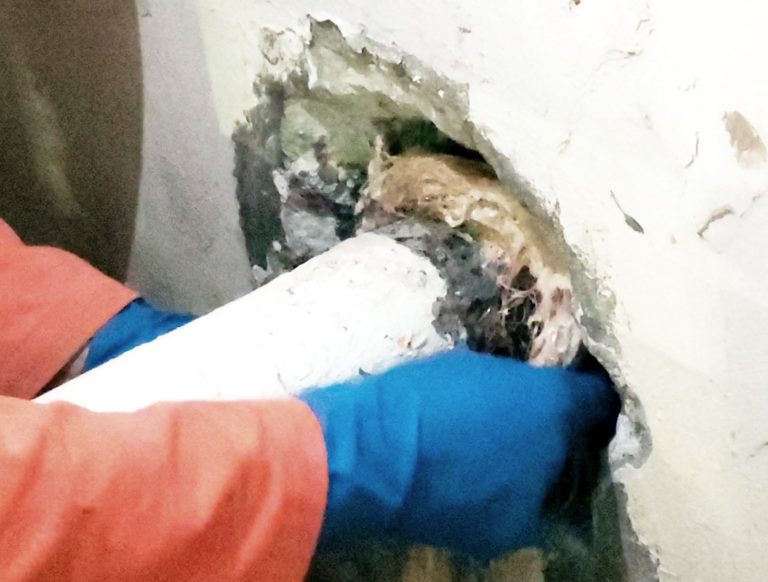
Cracks and leaks had developed, primarily due to an irrigation system installed above the structure. Water seepage through these fissures threatened the durability and appearance of the faux rock face, necessitating an urgent and effective repair solution.
The Solution: SealBoss 1510 Foam and P2002 Polyurethane Pump
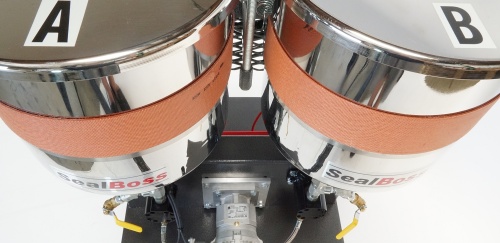
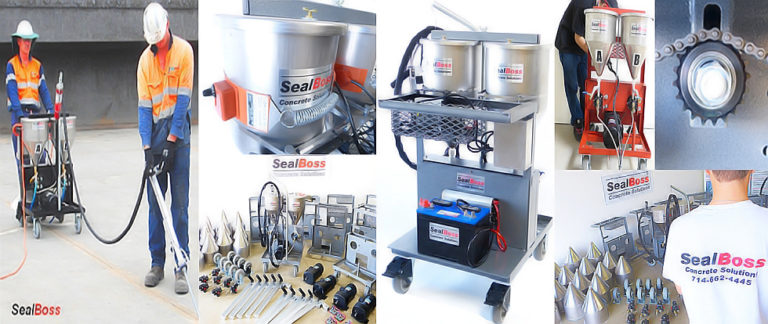
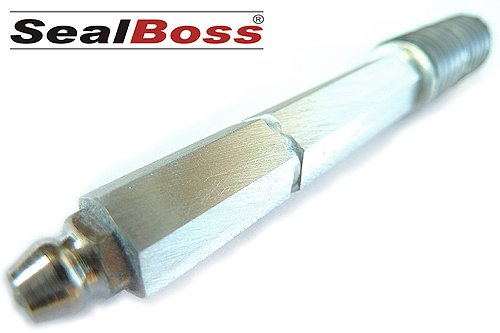
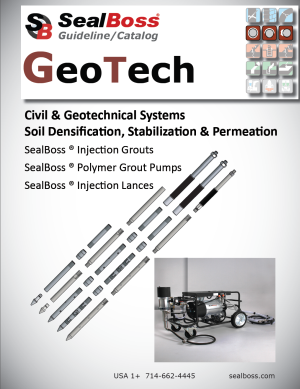
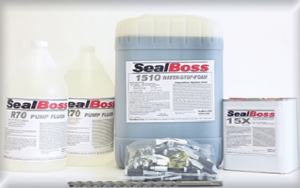
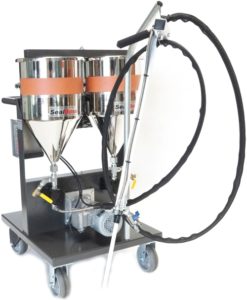
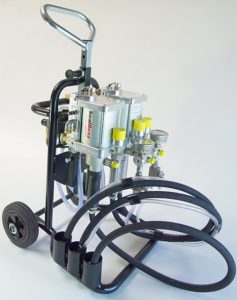
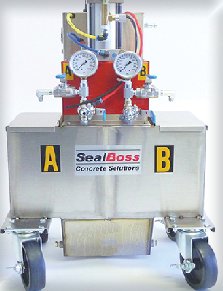
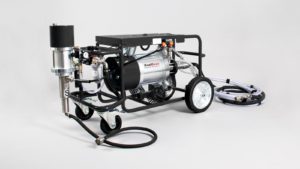
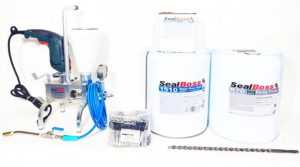
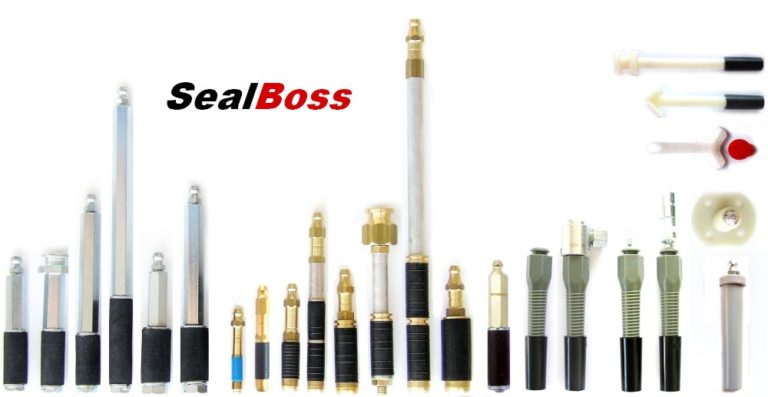
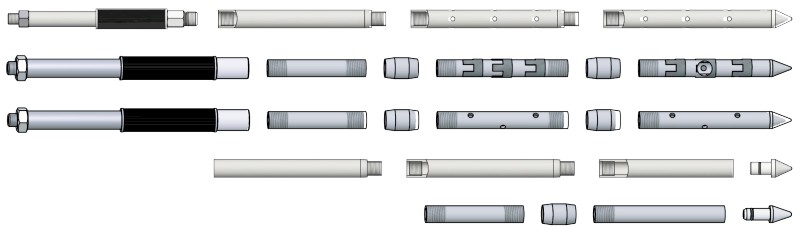
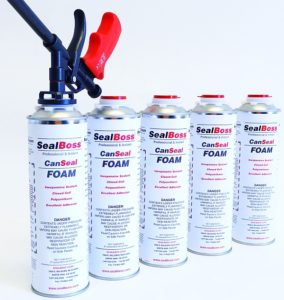
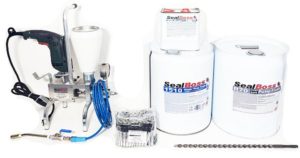
To address the leaks and repair the shotcrete structure, a technical representative from SealBoss was called upon. The solution proposed involved the use of the SealBoss Water Stop System, specifically the 1510 Water Stop / Leak Seal Foam and the compact P2002 Injection Pump, along with SealBoss Evolution AL Packers (1/2″, 5/8 BH/Zerk).
The objective was clear: Seal the leaks in the shotcrete and repair the cracks effectively without compromising the structure’s aesthetic value. The SealBoss system was chosen for its proven efficiency in such scenarios.
The Process: Hydro Active Foam Injection Technique
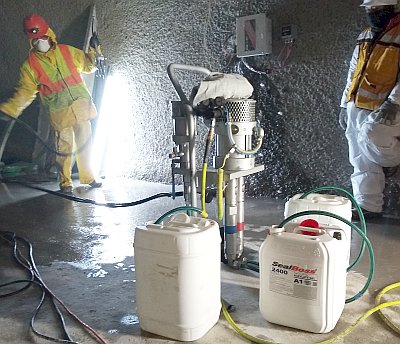
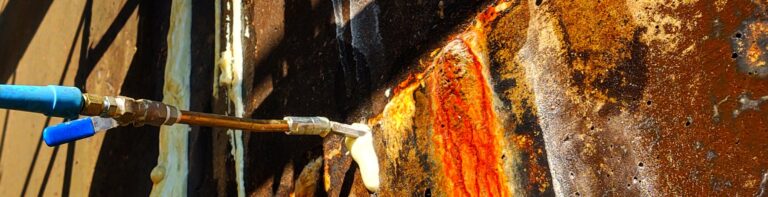
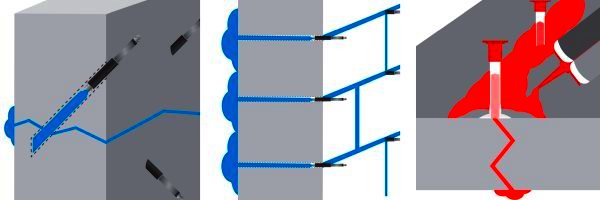
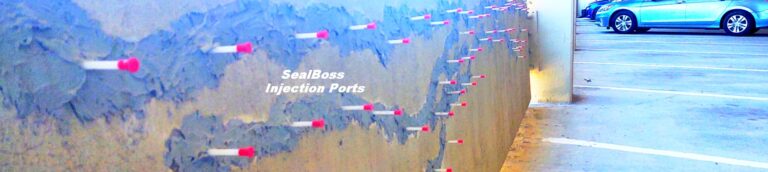
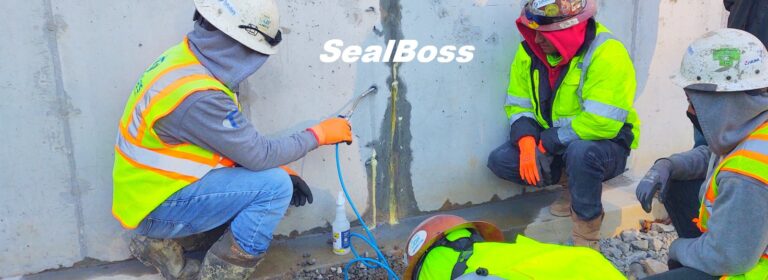
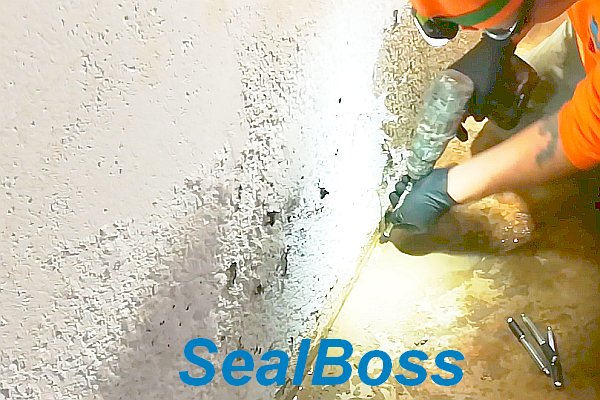
The shotcrete leak seal repair process began with a thorough assessment of the structure to identify all visible voids and cracks. The SealBoss team then employed the hydro active foam injection technique, using the P2002 drill injection machine along with 1/2 AL & 5/8 injection packers.
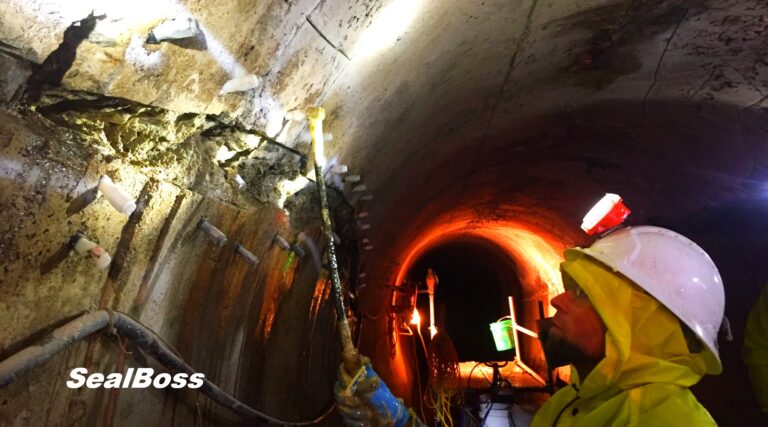
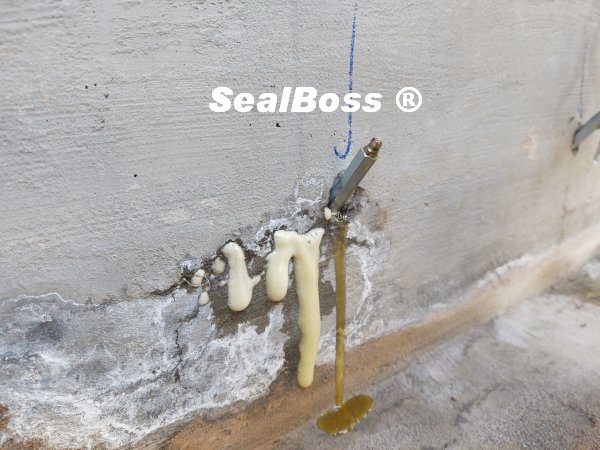
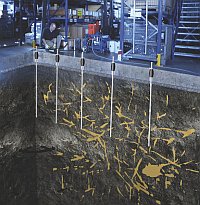
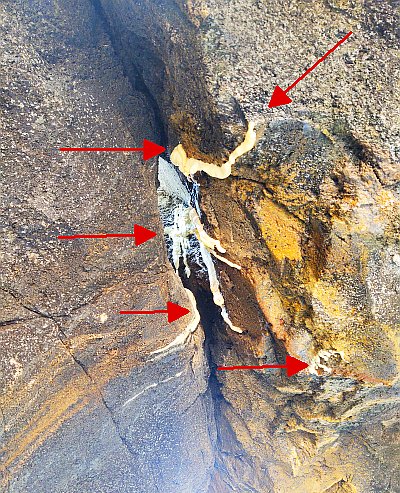
SealBoss 1510 was injected into the shotcrete cracks until visible penetration was observed on the face of these cracks. This process required multiple injections at various points to ensure that the foam traveled deep into the cracks, forming a dense, closed-cell compression seal upon expansion. One of the remarkable observations during the process was the expanding foam pushing out from the cracks, indicating its excellent travel and coverage within the network of fissures.
The Outcome: A Leak-Free, Restored Structure
Following the injection process, the structure underwent a rigorous inspection to ensure that all leaks were sealed. The SealBoss system proved its efficacy, as the structure passed the inspection with no signs of leakage. The aesthetic integrity of the structure was maintained, with minimal visible impact from the repair process.
Training and Support
SealBoss offers in-person and video training for those interested in learning more about their products and techniques. This training is invaluable for professionals looking to enhance their skills in leak sealing and crack repair in shotcrete structures. Additionally, SealBoss provides access to regional technical representatives who can offer insights into the full range of system solutions and offerings.
Conclusion
The successful repair of the decorative shotcrete structure at the Omaha Zoo is a testament to the effectiveness of the SealBoss Water Stop System. This case study highlights the importance of choosing the right materials and techniques for repairing shotcrete structures. With the right approach, it is possible to extend the life of these structures while maintaining their aesthetic and structural integrity.
For those facing leaking shotcrete challenges, consulting with a SealBoss technical representative can provide tailored solutions to effectively address leaks and cracks in shotcrete.
SealBoss® provides PU water‑stop resins, acrylate gel systems, injection pumps, mechanical packers, and training to execute the sequences above. Share your drawings, leak rates, and access constraints—we’ll assist in proposing a port layout, gel‑time schedule, and material takeoff tailored to your project.
SealBoss ® P2002 Drill Operated Injection Pump Advantages
- Polyurethane Grout Injection Pump
- Polyurethane Foam Injection Pump
- Easy To Use
- Easy To Cean
- Easy To Maintain
- Modular, Compact &
- Sturdy Design
- Single Component
- Electric Drill Operated
- Heavy Duty For Daily Use
- Pressure Gauge, Hose Set, Hopper Included
- Recommended For Beginners & Injection Pros
- > 5000 PSI Injection Pressure Possible