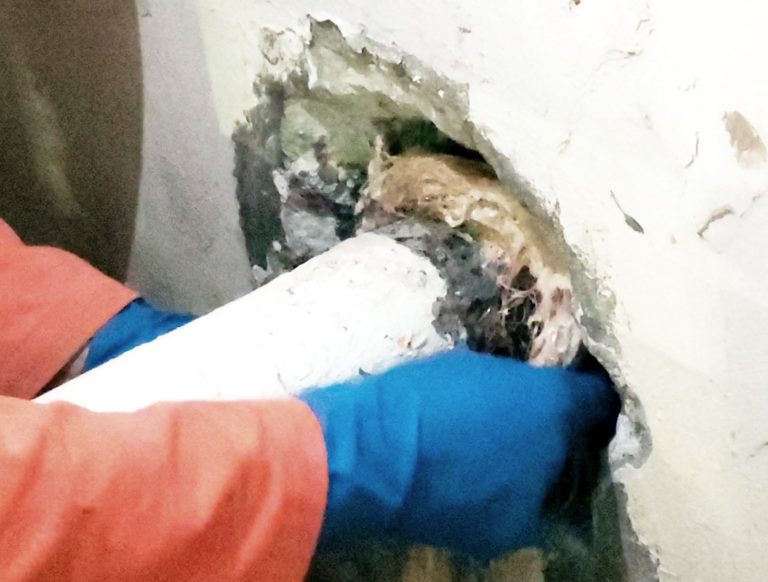
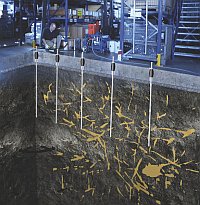
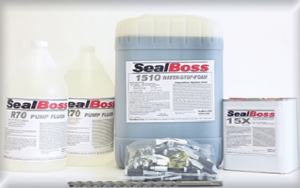
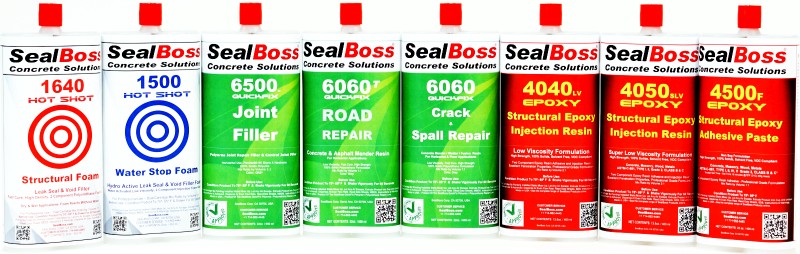
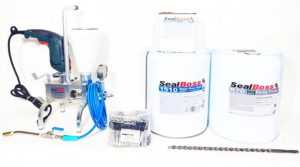
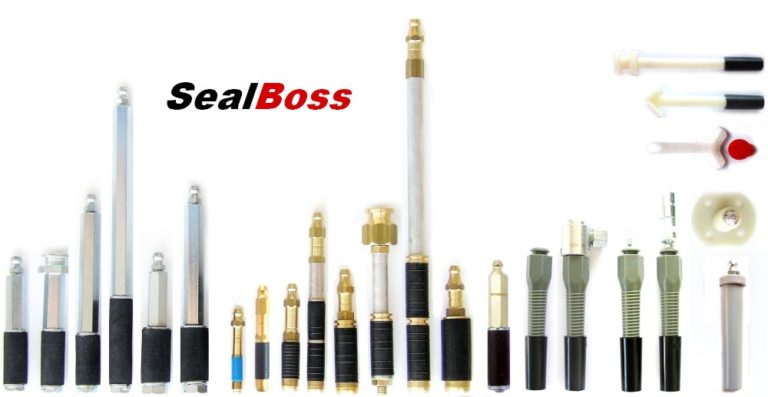
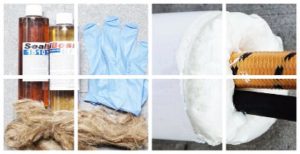
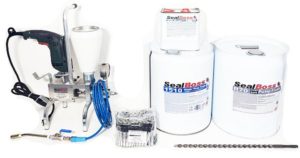
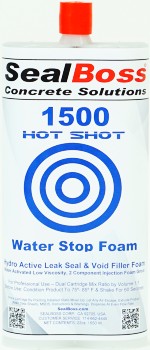
 Water activated, hydro-active, polyurethane two component water-stop injection foam in Cartridges expands up to 30-40 times. Used to stop water, to fill voids, hairline cracks and for soil stabilization. Also available in bulk packaging. Phthalate free (dbp free)
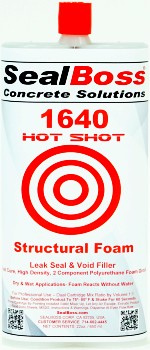 Rigid, High Strength, Dry-Reactive Foam
Two component polyurethane foam with structural qualities to stabilize, lift and cut-off water. Fast reactive formula. Reacts without water.
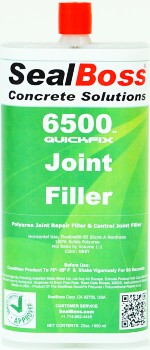 SealBoss ® 6500 QuickFix Joint Filler is a technologically advanced multiple application product. This polyurea is a self leveling, 100% solids, two component, 1:1 ratio, very flexible elastomer. SealBoss ® 6500 QuickFix is an excellent joint and crack filler for concrete in applications that are time critical. It works well in adverse temperature conditions as the material cures rapidly in ambient temperatures from -20F to 130F.
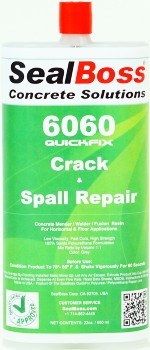 SealBoss 6060 QuickFix is a fast-setting, ultra low viscosity, two-component urethane repair resin designed to mend cracks and spalls in concrete slabs, floors and damaged joints.
Patch and Stitch Concrete Repair:
PATCH | SealBoss 6060 can be used to repair damaged and uneven concrete surfaces
STITCH | The product penetrates deep into cracks and fissures mending them back together
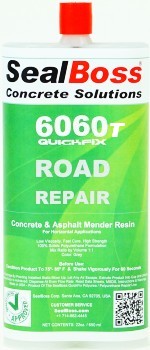 Road & Highway Repair Formula – Fast Crack Repair and Concrete Spall Repair System
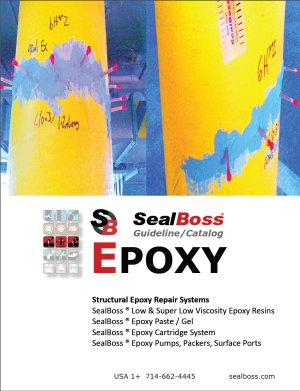
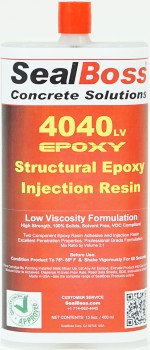 4040 low viscosity, 100% solids, hi-mod, 2-component, moisture-tolerant, low-viscosity, high strength, multi purpose, epoxy injection resin adhesive
– Commercial Bulk Packaging
– Cartridge System
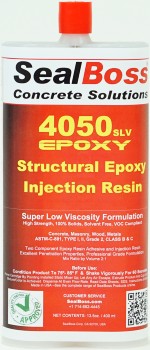 4050 super low viscosity, 100% solids, hi-mod,
2-component, moisture-tolerant, low-viscosity, high strength, epoxy injection resin adhesive
– Commercial Bulk Packaging
– Cartridge System
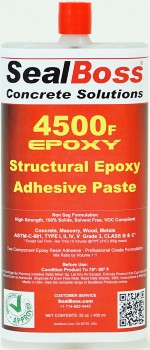 4500 F Epoxy paste for surface repairs, to prepare cracks for resin injection, and to bond SealBoss surface ports.
– Commercial Bulk Packaging
– Cartridge System
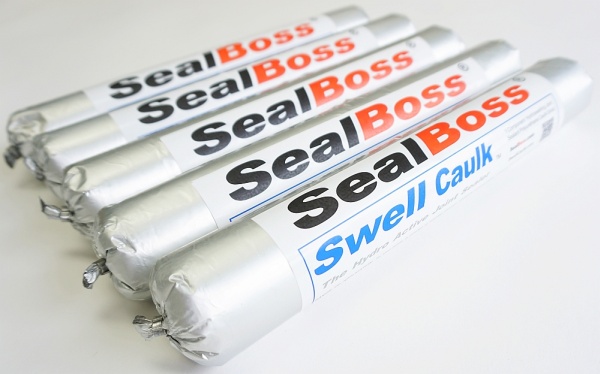
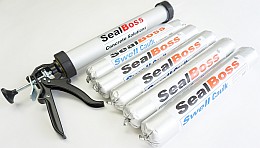 SealBoss ® SwellCaulk is a single component, hydrophilic, water activated, hydro active, expandable, gungrade waterstop. The product is formulated for sealing construction joints, pipe penetrations and other concrete joints of smooth and uneven surfaces. Material cures and swells in the presence of moisture or water thereby creating a compression seal. Curing time decreases with higher temperatures and greater relative humidity. SealBoss ® SwellCaulk will cure in approximately 24 to 36 hours depending on ambient climate. The prodcuct is supplied in sausages or in cartridges. The product is for professional use.
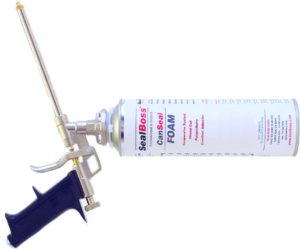
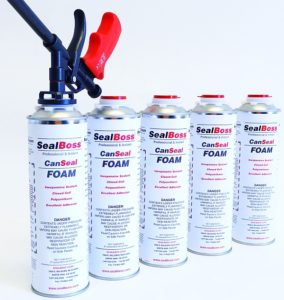
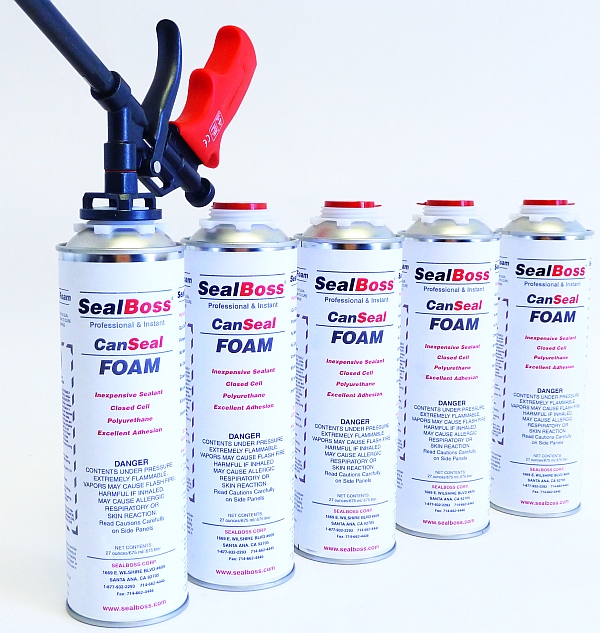 SealBoss ® Can Seal Foam is a versatile, closed cell, self curing foam for universal uses. The product is a single component MDI based polyurethane of highest quality. It expands, bonds and seals while stopping the passage of air, gases, water and dust. Besides its obvious uses to stop water infiltration it can increase energy efficiency by stopping air exchange around windows, doors, wall intrusions and at sill plates.
Contractors use our foam for many applications such as water-stop purposes in voids and cable runs, as an insulation and seal-foam in general construction and as an instant ‘Backer Rod Bead’ in applications where joints need a back fill prior to applying the final sealant.